
Top Chickpeas Producing Regions
Introduction
Chickpeas, also known as garbanzo beans, are one of the oldest cultivated legumes, revered for their nutritional benefits and culinary versatility. As a staple food in many cultures, chickpeas are integral to a variety of cuisines, particularly in the Mediterranean, Middle Eastern, and South Asian regions. This article delves into the top chickpea-producing regions around the globe, exploring their historical backgrounds, production methods, and the unique qualities that define the chickpeas from each area.
What Is Regions?
In the context of agricultural production, “regions” refers to geographical areas known for specific agricultural practices and outputs. These regions can be identified by their climate, soil quality, and local farming traditions, which together influence the characteristics of the crops grown there. The cultivation of chickpeas is not uniform; different regions produce distinct varieties with varying flavors and textures. Understanding the geographical nuances is essential for consumers, chefs, and food enthusiasts alike.
History and Origins
The chickpea is believed to have originated in the Middle East, specifically in the areas that now comprise Turkey and Syria, around 7,500 years ago. Archaeological evidence suggests that chickpeas were one of the first legumes cultivated by humans. From the Middle East, they spread to the Mediterranean and then to South Asia, where they became a staple food. Today, chickpeas are cultivated in numerous countries across diverse climates, but the foundations of their cultivation lie in these historical regions.
Production and Processing
Major Producing Countries
1. India: India is the largest producer of chickpeas, contributing over 60% of the global supply. The states of Madhya Pradesh, Maharashtra, and Rajasthan are particularly noted for their extensive chickpea cultivation. Indian chickpeas, particularly the Desi variety, are characterized by their small size and robust flavor.
2. Australia: Australia has emerged as a significant player in the global chickpea market, particularly with the Kabuli variety. The country’s favorable climate and advanced farming techniques in regions like Queensland and New South Wales allow for high yields and quality.
3. Turkey: As one of the historical centers of chickpea cultivation, Turkey remains a key producer. The country is known for its diverse chickpea varieties, including both Desi and Kabuli types, cultivated primarily in regions like Gaziantep and Konya.
4. Pakistan: Chickpeas are an essential crop in Pakistan, particularly in the provinces of Punjab and Sindh. The country primarily grows Desi chickpeas, which are valued for their nutritional content and economic importance.
5. Mexico: While not as well-known as other countries, Mexico has been growing chickpeas for several decades. The country produces both Desi and Kabuli varieties, with the latter gaining popularity in international markets.
Processing Methods
Chickpeas undergo various processing methods post-harvest, including drying, sorting, and packaging. The drying process is crucial for preserving the beans’ quality and extending their shelf life. After drying, chickpeas are sorted based on size and quality, often leading to different grades that can significantly influence their market price.
Quality and Grading
The quality of chickpeas is determined by several factors, including size, color, shape, and overall appearance. The grading system generally classifies chickpeas into different categories, such as:
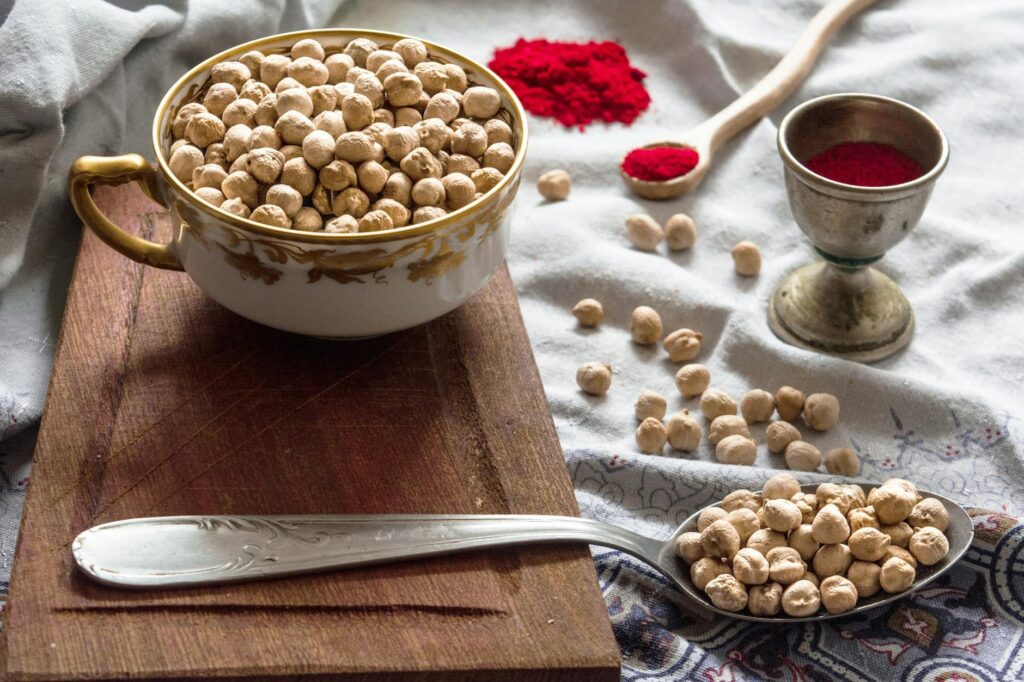
- Kabuli Chickpeas: These are larger, creamier, and have a smoother skin. They are often preferred for culinary uses in salads and hummus.
- Desi Chickpeas: Smaller and darker, Desi chickpeas have a rougher texture and are commonly used in traditional Indian dishes.
- Type: Determine whether you need Kabuli or Desi chickpeas based on your culinary requirements. Kabuli chickpeas tend to be softer and are often used in salads and dips, while Desi chickpeas are better suited for curries and stews.
- Quality: Look for uniform size, color, and absence of blemishes. Higher-quality chickpeas will not only taste better but will also offer superior nutritional benefits.
- Packaging: Opt for well-packaged products to ensure freshness. Vacuum-sealed or nitrogen-flushed packaging can help prolong shelf life.
- Source: Investigate the origin of the chickpeas. Region-specific varieties may offer unique flavors and textures that can elevate your dishes.
- Hummus: A classic Middle Eastern dip made primarily from blended chickpeas, tahini, olive oil, and lemon juice.
- Curries and Stews: In South Asian cuisines, chickpeas are often cooked in rich, spiced gravies, offering a hearty and nutritious meal.
- Salads: Roasted or boiled chickpeas can add texture and protein to salads, making them more filling.
- Snacking: Roasted chickpeas are a popular healthy snack, often seasoned with various spices.
- Flour: Chickpea flour, or besan, is widely used in Indian cooking for making batters, pancakes, and various snacks.
Quality control measures are essential to ensure that producers meet both domestic and international standards. Factors such as moisture content, purity, and absence of defects play critical roles in determining the final grade.
Buying Considerations
When purchasing chickpeas, consider the following factors:
Uses and Applications
Chickpeas are incredibly versatile and can be used in various culinary applications. Some popular uses include:
Storage and Shelf Life
Proper storage is vital for maintaining the quality and longevity of chickpeas. Dried chickpeas should be kept in a cool, dry place, preferably in an airtight container to prevent moisture absorption. Under optimal conditions, dried chickpeas can last for up to two years.
Cooked chickpeas, on the other hand, should be refrigerated and consumed within 3-5 days. For longer storage, cooked chickpeas can be frozen for up to six months.
Common Misconceptions
1. Chickpeas Are the Same Everywhere: Not all chickpeas are created equal. Different regions produce distinct varieties with unique flavors and textures.
2. Canned Chickpeas Are Inferior: While fresh chickpeas are excellent, canned chickpeas are often cooked and can be a convenient and nutritious alternative when properly rinsed and drained.
3. Chickpeas Are Only for Vegetarian Diets: Chickpeas are a great source of protein and can be beneficial for all diets, not just vegetarian or vegan ones.
Frequently Asked Questions
1. What are the nutritional benefits of chickpeas?
Chickpeas are rich in protein, fiber, vitamins, and minerals, making them an excellent addition to a balanced diet.
2. How should I cook dried chickpeas?
Dried chickpeas should be soaked overnight in water, then boiled until tender. Cooking times may vary depending on the variety.
3. Can I eat chickpeas raw?
Raw chickpeas are not recommended for consumption as they can be difficult to digest and may contain harmful substances.
4. What is the difference between Kabuli and Desi chickpeas?
Kabuli chickpeas are larger, cream-colored, and smoother, while Desi chickpeas are smaller, darker, and have a rougher texture.
5. How do I know if chickpeas have gone bad?
Signs of spoilage in dried chickpeas include an off smell, discoloration, or the presence of mold. Cooked chickpeas should be discarded if they develop an off odor or unusual texture.
6. How can I incorporate chickpeas into my diet?
Chickpeas can be added to salads, soups, stews, and even baked goods. Their versatility makes them easy to include in various meals.
Conclusion
Chickpeas are a global staple, with their production deeply rooted in diverse regions, each contributing unique varieties and flavors. Understanding the origins, production methods, and qualities of chickpeas enhances not only culinary experiences but also appreciation for this ancient legume. As global demand continues to rise, the importance of chickpeas in sustainable agriculture and food security remains paramount, making them an invaluable ingredient in kitchens worldwide.