
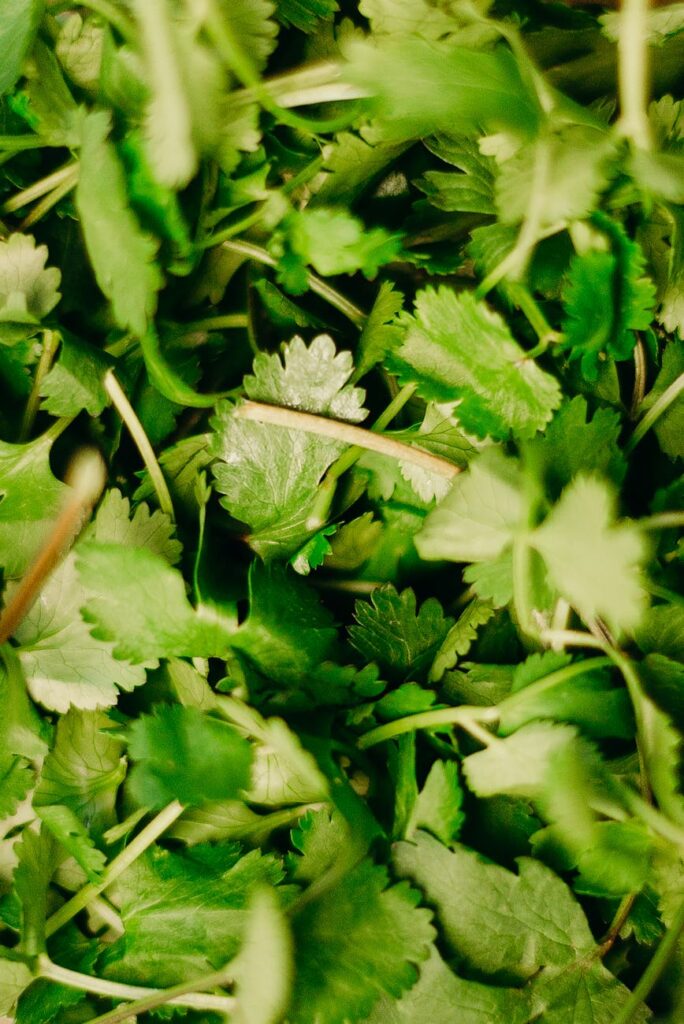
Top Cilantro Producing Regions
Introduction
Cilantro, also known as coriander in some regions, is a versatile herb celebrated for its distinct flavor and aromatic qualities. This herb is integral to various cuisines around the globe, from Mexican salsas to Indian curries. Understanding where cilantro is produced not only highlights the agricultural practices that sustain its availability but also showcases the cultural significance of this herb in different culinary traditions. In this article, we will explore the top cilantro-producing regions, their unique agricultural practices, and the broader context surrounding cilantro cultivation.
What Is Regions?
In the context of agriculture, “regions” refer to specific geographical areas known for producing particular crops or ingredients. These regions can vary widely based on climate, soil type, and cultural practices, which can influence the growth, flavor, and quality of the produce. For cilantro, regions are often categorized by their climate zones, soil quality, and local agricultural techniques, all of which contribute to the herb’s unique characteristics.
History and Origins
Cilantro has a rich history that dates back thousands of years. Its origins trace back to the Mediterranean region, where it was used not only for culinary purposes but also for medicinal and aromatic applications. Archaeological evidence suggests that cilantro was cultivated in ancient Egypt and has been found in tombs dating back to 3000 BC. The herb made its way to India, where it became a staple in Ayurvedic medicine and various culinary practices.
As trade routes expanded, cilantro spread to Asia, the Americas, and beyond. The Spanish introduced cilantro to the Americas in the 16th century, where it quickly adapted to new climates, leading to diverse growing practices. Today, cilantro is a global staple, with major production areas in various climates.
Production and Processing
Global Production
Cilantro is grown in numerous countries, but the top producers include:
- India: As the largest producer of cilantro, India contributes significantly to the global supply. The country’s diverse climates allow for year-round cultivation, particularly in states like Rajasthan and Gujarat.
- Mexico: Known for its rich culinary traditions, Mexico is another significant producer. The herb thrives in the warm climate of the country, particularly in states such as Sinaloa and Sonora.
- United States: In the U.S., cilantro is primarily grown in California, where the Mediterranean climate is ideal for its cultivation. The Central Valley is particularly notable for its production capabilities.
- China: With its vast agricultural landscape, China has also become a major player in cilantro production, especially in regions like Xinjiang and Shandong.
- Appearance: High-quality cilantro should have vibrant green leaves with no signs of wilting or yellowing. Stems should be firm and robust.
- Aroma: Fresh cilantro has a distinct, citrusy aroma that is crucial for culinary applications. The intensity of this fragrance can be a good indicator of freshness.
- Flavor: The flavor of cilantro can vary by region, influenced by soil composition and climate. High-quality cilantro should have a balanced, fresh taste without any bitterness.
- Freshness: Look for bright green leaves that are free from blemishes or wilting. Fresh cilantro should feel crisp to the touch.
- Source: Understanding the origin of cilantro can provide insights into its quality. Local farmers’ markets often offer fresher options compared to mass-produced varieties.
- Organic vs. Conventional: If sustainability is a concern, consider purchasing organic cilantro, which is grown without synthetic pesticides and fertilizers.
- Processing: For dried cilantro, check the packaging for information on processing methods, as these can affect flavor and aroma.
- Mexican Cuisine: Cilantro is a fundamental ingredient in dishes like salsa, guacamole, and tacos. It adds a refreshing note that balances richer flavors.
- Indian Cuisine: In Indian cooking, cilantro is often used as a garnish or blended into chutneys, curries, and marinades.
- Asian Cuisine: In Thai and Vietnamese dishes, cilantro is commonly used in salads, soups, and spring rolls, imparting a fresh, zesty flavor.
- Fresh Cilantro: Store fresh cilantro in the refrigerator. Place the stems in a glass of water, covering the leaves loosely with a plastic bag. This method can keep cilantro fresh for up to two weeks.
- Dried Cilantro: Dried cilantro should be stored in a cool, dark place in an airtight container. When stored properly, it can last for several months but may lose potency over time.
- Cilantro refers to the fresh leaves of the plant, while coriander typically refers to the dried seeds.
- Yes, cilantro can be grown indoors in pots with sufficient sunlight and well-drained soil.
- Cilantro thrives in cool weather, ideally between 50°F and 85°F, with well-drained, fertile soil.
- Fresh cilantro should have vibrant green leaves, a strong aroma, and a crisp texture.
- While cilantro is generally safe to consume, pregnant individuals should consult healthcare providers for personalized dietary advice.
- Fresh cilantro can be preserved by placing the stems in water and covering the leaves with a plastic bag or freezing it in ice cube trays.
Agricultural Practices
Cilantro is typically grown in well-drained, fertile soil, and it thrives in cooler weather conditions, making it suitable for spring and fall planting in many regions. The plants are usually sown directly into the ground, and care is taken to ensure they receive adequate moisture without waterlogging. Organic farming methods are increasingly popular, emphasizing the use of natural fertilizers and pest control methods to maintain the herb’s quality.
Once harvested, cilantro is typically washed and dried quickly to preserve its freshness. This rapid processing helps retain the herb’s vibrant green color and essential oils, which are crucial for its flavor profile.
Quality and Grading
The quality of cilantro can vary significantly based on multiple factors, including growing conditions, harvesting techniques, and post-harvest handling. When grading cilantro, several criteria are considered:
Producers often adhere to strict grading standards, categorizing cilantro into different quality levels based on these parameters. Higher grades are typically sold at a premium, particularly in markets where quality is paramount.
Buying Considerations
When purchasing cilantro, whether fresh or dried, several factors should be taken into account:
Uses and Applications
Cilantro is incredibly versatile, finding a place in various culinary traditions.
Culinary Applications
Non-Culinary Uses
Beyond the kitchen, cilantro is also used in various cultural rituals and practices. Its aromatic properties make it popular in fragrance industries, while its historical applications in medicine continue to influence herbal practices today.
Storage and Shelf Life
Proper storage is crucial for maintaining the freshness of cilantro. Here are some guidelines:
Signs of Spoilage
Fresh cilantro will wilt, turn yellow, or develop a slimy texture when it is past its prime. Dried cilantro may lose its aroma and flavor, indicating it is no longer suitable for culinary use.
Common Misconceptions
Cilantro often faces misconceptions, particularly regarding its flavor profile. Many people either love or loathe cilantro, with some claiming it tastes like soap. This perception is linked to genetic factors that influence taste preferences. Additionally, cilantro is often confused with parsley, although they are distinct herbs with different flavor profiles.
Frequently Asked Questions
1. What is the difference between cilantro and coriander?
2. Can cilantro be grown indoors?
3. What are the best growing conditions for cilantro?
4. How can I tell if cilantro is fresh?
5. Is it safe to eat cilantro during pregnancy?
6. What is the best way to preserve cilantro?
Conclusion
Cilantro is a globally cherished herb that not only enhances the flavor of various dishes but also carries cultural significance across regions. Understanding the top cilantro-producing areas provides insight into the agricultural practices that contribute to its availability and quality. As we continue to appreciate this versatile herb, acknowledging its origins and production methods enriches our culinary experiences.