
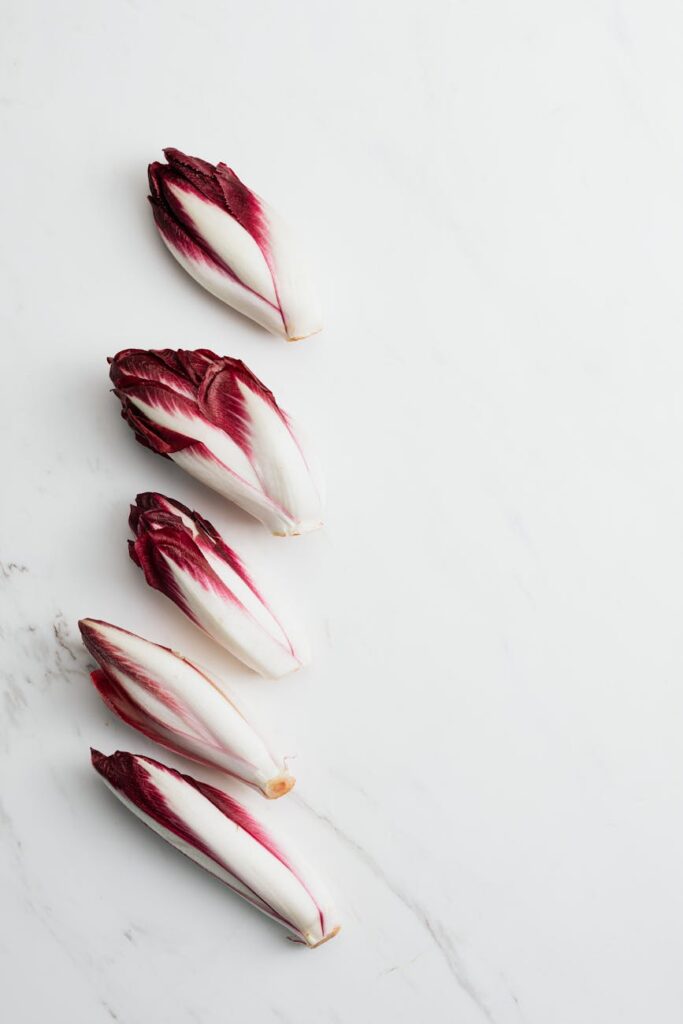
Top Endive Producing Regions
Introduction
Endive, a leafy green vegetable belonging to the chicory family, has garnered attention for its unique flavor profile and versatility in culinary applications. With its crisp texture and slightly bitter taste, endive is a staple in various cuisines worldwide. This article delves into the top endive producing regions, examining their historical significance, production methods, and the factors that contribute to their success in cultivating this prized ingredient.
What Is Regions?
In the context of agriculture, “regions” refers to specific geographical areas characterized by distinct climatic, soil, and cultural conditions that influence the production of particular crops. When discussing endive, the focus is on regions where the climate and soil composition are optimal for its growth. Factors such as temperature, rainfall, and agricultural practices play a crucial role in determining the quality and quantity of endive produced.
History and Origins
Endive has a rich history that dates back to ancient civilizations. Originally cultivated in the Mediterranean region, it has been used since the time of the Egyptians. The name “endive” is derived from the Latin word “endivia,” which refers to a type of leafy green. The vegetable spread across Europe, with distinct varieties developing in different regions.
In France, endive became a culinary staple, particularly in the northern regions, where it was cultivated extensively. Belgian endive, known for its pale leaves and crisp texture, emerged as a popular variety in the 19th century. Today, it is recognized globally, with significant production in multiple regions, including the United States, Europe, and Asia.
Production and Processing
North America
In the United States, California and Arizona are the primary endive producing states. The mild climate and fertile soil in these regions provide ideal conditions for growing both curly and Belgian endive. California’s Salinas Valley is particularly notable for its year-round production, thanks to its moderate temperatures.
Europe
Europe remains a significant producer of endive, with Belgium and France leading the charge. Belgian endive, also known as “witloof,” is cultivated in dark, controlled environments, which prevents the leaves from developing chlorophyll, resulting in its characteristic pale color. The production process involves sowing seeds in the spring, allowing the plants to mature before harvesting the roots. These roots are then forced in dark conditions, producing the tender leaves that are so highly prized.
In France, particularly in regions like the Loire Valley and the northern parts, endive is widely cultivated due to the favorable climate. The French production methods often emphasize organic practices, contributing to the unique flavor and quality of the endive.
Asia
In Asia, countries like China and Japan have begun to adopt endive cultivation. While not traditional crops, the growing interest in Western cuisines has led to increased production. China’s diverse climate allows for experimentation with various endive varieties, making it an emerging player in the global market.
Quality and Grading
The quality of endive is determined by several factors, including size, color, and firmness. High-quality endive should have crisp leaves, a fresh appearance, and a mildly bitter flavor. Grading standards are enforced by agricultural authorities in producing countries to ensure that consumers receive the best possible product.
In the United States, endive is typically graded as U.S. No. 1, which dictates that the leaves should be well-formed, free from blemishes, and of uniform size. In Europe, similar standards exist, with emphasis placed on the absence of defects and the overall appearance of the endive.
Buying Considerations
When purchasing endive, several factors should be considered to ensure quality and freshness. Look for endive with tightly packed leaves and a vibrant color. Avoid any with wilting or browning, as these are indicators of age. If possible, buy endive that is refrigerated or displayed in a cool environment to preserve its crispness.
It is also essential to consider the source of the endive. Local or organic varieties may offer superior flavor and quality compared to mass-produced options. Additionally, purchasing from reputable suppliers can provide assurance of freshness and quality.
Uses and Applications
Endive is incredibly versatile in culinary applications. Its slightly bitter flavor complements a range of dishes, from salads to main courses. The leaves can be used as a base for appetizers, holding fillings such as cheese or seafood. They can also be braised or grilled, adding depth to various dishes.
In salads, endive pairs well with fruits, nuts, and various dressings, providing a crunchy texture and a counterbalance to sweeter ingredients. Chefs often use endive to add visual appeal, as its unique shape and color can elevate the presentation of a dish.
Storage and Shelf Life
Proper storage is crucial for maintaining the quality of endive. It should be kept in the refrigerator, ideally in a perforated plastic bag to allow for airflow. When stored correctly, endive can last up to two weeks, although it is best consumed within a week for optimal freshness.
Avoid storing endive near ethylene-producing fruits, such as apples and bananas, as this can lead to premature spoilage. Additionally, do not wash endive until you are ready to use it, as excess moisture can promote decay.
Common Misconceptions
Endive vs. Escarole
One common misconception is that endive and escarole are the same. While both belong to the chicory family, they are distinct varieties. Endive is characterized by its tightly curled leaves, while escarole has broader, more frilled leaves.
Endive’s Bitter Flavor
Another misconception is that all endive is overly bitter. While endive has a naturally bitter flavor, the intensity can vary significantly depending on the variety and growing conditions. Belgian endive, for example, is often milder compared to its curly counterpart.
Frequently Asked Questions
1. What is the difference between Belgian endive and curly endive?
Belgian endive is characterized by its pale leaves and crisp texture, often grown in dark conditions to prevent chlorophyll development. Curly endive, on the other hand, has frilly, dark green leaves and a more pronounced bitter flavor.
2. How can I tell if endive is fresh?
Fresh endive should have tightly packed leaves, a crisp texture, and a vibrant color. Avoid any with wilting, browning, or soft spots.
3. Can I eat endive raw?
Yes, endive can be enjoyed raw in salads or as a crunchy vehicle for dips and spreads. Its slightly bitter flavor adds a unique dimension to dishes.
4. How should I store endive?
Endive should be stored in the refrigerator in a perforated plastic bag to allow airflow. It can last up to two weeks when stored properly.
5. Is endive a seasonal vegetable?
Endive is generally available year-round, particularly in regions with favorable climates for cultivation. However, its peak season varies by location; for instance, it is typically harvested in the fall and winter months.
6. What are some common culinary uses for endive?
Endive is versatile and can be used in salads, appetizers, and as a side dish. It can be braised, grilled, or stuffed with various fillings to enhance its flavor and texture.
Conclusion
Endive, with its unique flavor and versatility, has established itself as a significant ingredient in global cuisine. Understanding the regions that produce this vegetable, along with its historical and culinary significance, can enhance appreciation for its role in the kitchen. As consumers become increasingly aware of the quality and sourcing of their food, knowledge of endive’s origins and best practices for selection and storage will ensure a delightful culinary experience.