
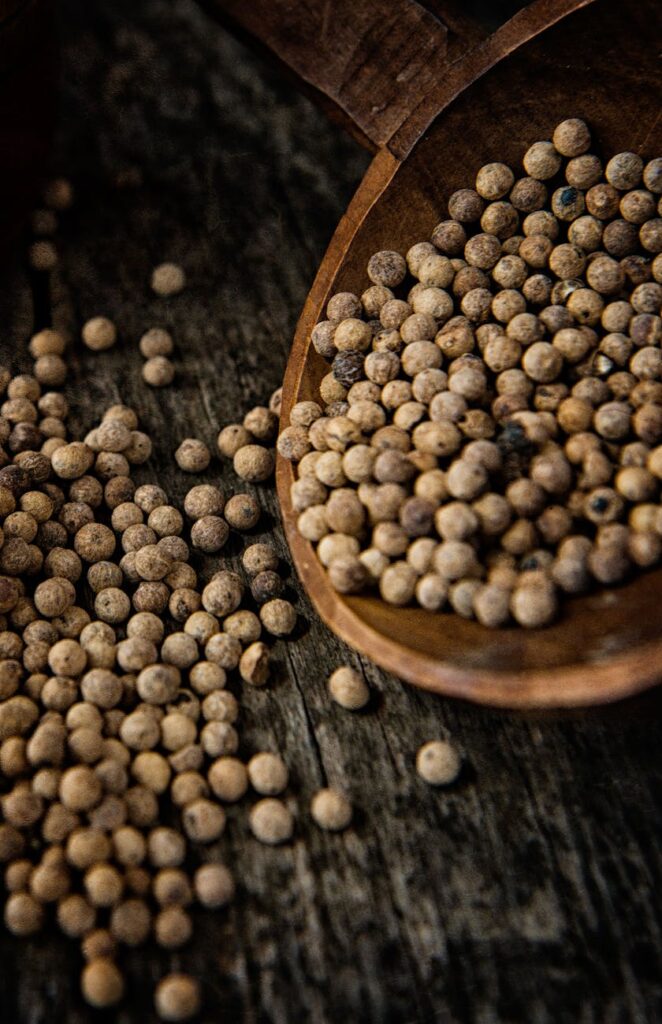
Top Faro Producing Regions
Introduction
Faro, a cherished ingredient in global culinary practices, is renowned for its unique flavor and versatile applications. As the demand for this grain continues to rise, understanding its origins and the regions that produce the finest Faro becomes essential for chefs, food enthusiasts, and culinary professionals alike. This article delves into the top Faro producing regions, exploring their historical significance, production methods, quality grading, and more.
What Is Faro?
Faro, commonly referred to as farro in Italian cuisine, is an ancient grain that has gained popularity for its nutty flavor, chewy texture, and nutritional benefits. It is often used in salads, soups, and side dishes, making it a staple in Mediterranean diets. Faro is a collective term that refers to several related species of wheat, including spelt (Triticum spelta), emmer (Triticum dicoccum), and einkorn (Triticum monococcum). Each variant offers unique qualities, but all share a rich heritage and adaptability to various culinary applications.
History and Origins
The history of Faro can be traced back thousands of years to the Fertile Crescent, where ancient civilizations first cultivated it. Emmer wheat, one of the earliest forms of Faro, was a staple in ancient Egypt and Mesopotamia. The grain was revered not only for its nutritional value but also for its role in religious rituals and offerings. Over time, Faro spread throughout Europe, finding particular favor in Mediterranean countries due to its resilience and ability to thrive in diverse climates.
In Italy, Faro has been cultivated for centuries, particularly in regions such as Tuscany and Umbria, where it is deeply embedded in local cuisine. The grain’s resurgence in modern culinary practices has been fueled by a growing emphasis on whole grains and sustainable farming methods.
Production and Processing
The primary Faro producing regions are concentrated in Europe, particularly Italy, where the climate and soil conditions are ideal for growing this ancient grain. Key areas include Tuscany, Lazio, and Umbria, each contributing to the rich tapestry of Faro production.
Tuscany
Tuscany is perhaps the most renowned Faro-producing region. The Val d’Orcia and Chianti areas are characterized by their fertile soils and temperate climate, which are conducive to cultivating high-quality Faro. Farmers in Tuscany often adhere to traditional agricultural practices, including the use of organic methods, which enhance the grain’s flavor profile.
Lazio
The Lazio region, home to the Italian capital of Rome, also plays a significant role in Faro production. The volcanic soils in this area impart unique characteristics to the grain, making it a sought-after ingredient in local cuisine. The farmers in Lazio are increasingly adopting sustainable farming practices, ensuring the preservation of the land for future generations.
Umbria
Umbria, known for its rolling hills and rich agricultural heritage, is another key player in Faro production. The region’s commitment to preserving traditional farming methods results in high-quality grains that are cherished by both local chefs and international markets.
Other Notable Regions
While Italy remains the epicenter of Faro production, other countries, particularly in the Mediterranean and parts of the Middle East, have started cultivating Faro varieties. Countries such as Turkey and Ethiopia are exploring the potential of this ancient grain, contributing to a broader understanding of its culinary versatility.
Quality and Grading
The quality of Faro is primarily determined by its variety, growing conditions, and harvesting techniques. When assessing Faro, several grading criteria are considered:
1. Kernel Integrity: High-quality Faro grains should be whole, with minimal broken kernels. Whole grains retain their flavor and nutritional value better than fractured ones.
2. Color: The color of Faro can range from light brown to dark amber, depending on the variety. Uniformity in color indicates proper harvesting and processing.
3. Moisture Content: Ideal moisture content is crucial for storage and shelf life. High-quality Faro should have a moisture level around 12-14%.
4. Flavor Profile: Aroma and taste are paramount; premium Faro should possess a nutty, slightly sweet flavor, indicative of proper cultivation and processing.
5. Organic Certification: Many consumers prefer organic Faro due to the absence of synthetic pesticides and fertilizers, which can affect the grain’s quality and taste.
Buying Considerations
When purchasing Faro, several factors should be kept in mind to ensure the selection of high-quality grains:
- Source: Opt for Faro that is sourced from reputable producers or regions known for their quality. Checking for local certifications can be beneficial.
- Packaging: Look for Faro that is packaged in airtight containers to preserve freshness. Clear labeling with harvest dates can also indicate quality.
- Variety: Understand the specific variety of Faro being purchased, as each has unique flavor profiles and culinary applications. Spelt, for instance, is often sweeter, while emmer has a more robust flavor.
- Organic vs. Conventional: Decide whether organic certification is important for your culinary needs. Organic Faro may offer superior taste and quality due to sustainable farming practices.
- Salads: Cooked Faro can add texture and depth to salads. Its nutty flavor pairs well with roasted vegetables, nuts, and vinaigrettes.
- Soups and Stews: Faro can be used as a hearty addition to soups and stews, providing both nutrition and a satisfying chew.
- Side Dishes: When cooked and seasoned appropriately, Faro can serve as a delicious side dish, complementing proteins such as chicken, fish, or legumes.
- Baking: Faro flour, derived from milled grains, is increasingly being used in baking, providing a wholesome alternative to conventional wheat flour in breads and pastries.
- Airtight Containers: Store Faro in airtight containers to protect it from moisture and pests. Glass jars or food-grade plastic containers work well.
- Cool, Dark Places: Keep Faro in a cool, dark, and dry environment, away from direct sunlight and heat sources, which can deteriorate its quality.
- Shelf Life: Uncooked, whole Faro can last for several years when stored properly, while cooked Faro should be refrigerated and consumed within a week or frozen for longer preservation.
- Faro Is Gluten-Free: Many believe that Faro is gluten-free due to its ancient origins. However, Faro is a type of wheat and contains gluten, making it unsuitable for individuals with gluten intolerance or celiac disease.
- Faro Is the Same as Barley: While both grains are nutritious and have a similar chewy texture, Faro and barley are distinct grains with different flavor profiles and culinary uses.
- All Faro Is Created Equal: The quality of Faro can vary significantly based on its variety, growing conditions, and processing methods. Not all Faro is of high quality, and consumers should be discerning when making selections.
Uses and Applications
Faro’s culinary versatility makes it an invaluable ingredient in various dishes. Some common applications include:
Storage and Shelf Life
Proper storage is essential for maintaining the quality and flavor of Faro. Here are some guidelines:
Common Misconceptions
Despite its popularity, several misconceptions about Faro persist:
Frequently Asked Questions
1. What is the difference between Faro and spelt?
Faro is a broader term encompassing various ancient wheat species, including spelt. Spelt is a specific type of Faro known for its nutty flavor and higher protein content.
2. Can I substitute Faro for rice in recipes?
Yes, Faro can be used as a substitute for rice in many recipes. Its texture and flavor add a unique element to dishes, but cooking times may vary.
3. How should I cook Faro?
Faro is typically cooked by simmering it in water or broth, using a ratio of about 1 cup of Faro to 2-3 cups of liquid, and cooking until tender, which usually takes 25-40 minutes depending on the variety.
4. Is Faro more nutritious than brown rice?
Faro generally contains more protein, fiber, and essential nutrients compared to brown rice, making it a nutritious option for those seeking whole grains.
5. Where can I buy high-quality Faro?
High-quality Faro can be found in specialty grocery stores, health food stores, and online retailers. Look for reputable brands that prioritize organic and sustainable farming practices.
6. How can I incorporate more Faro into my diet?
You can incorporate Faro into your diet by adding it to salads, soups, and side dishes, or by using it as a base for grain bowls. Experimenting with Faro flour in baking can also be a delicious way to enjoy this ancient grain.
Conclusion
Faro is more than just an ingredient; it is a symbol of ancient agricultural practices and culinary heritage. As we explore its top producing regions, it becomes evident that the quality of Faro is a reflection of the land, climate, and traditions that shape it. Understanding the complexities of this grain enables chefs and home cooks alike to appreciate its unique qualities and incorporate it into their culinary repertoire. Whether in the heart of Tuscany or the rolling hills of Umbria, Faro continues to be celebrated for its versatility and rich history, making it a timeless ingredient in kitchens around the world.