
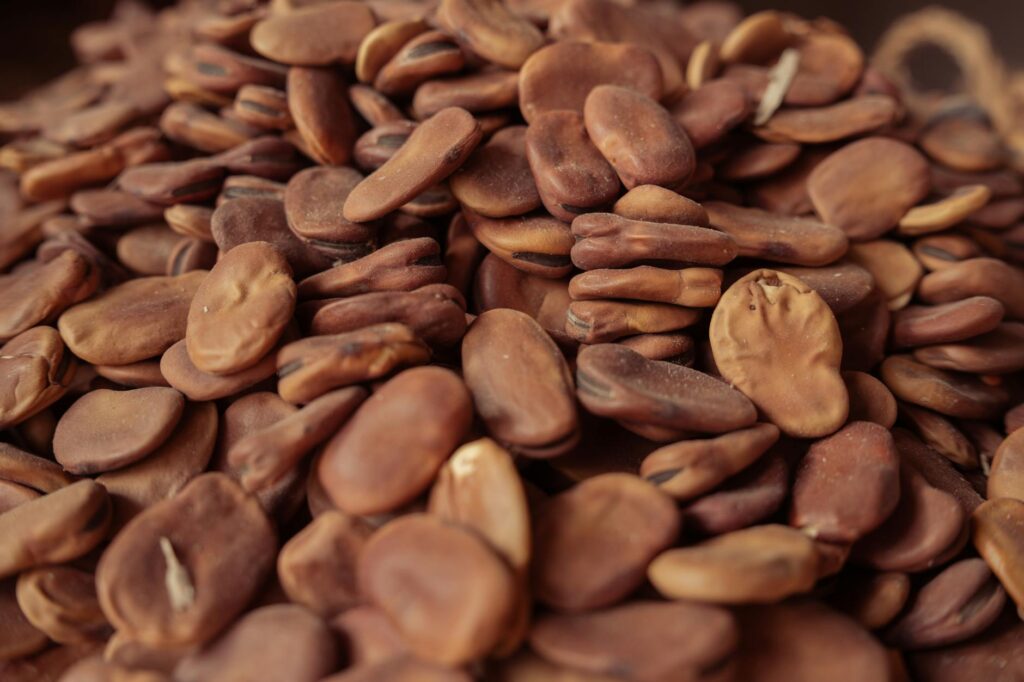
Top Fava Beans Producing Regions
Introduction
Fava beans, also known as broad beans, are a staple in various cuisines around the world. Rich in protein and nutrients, these legumes are not only valued for their culinary versatility but also for their agricultural significance. The regions that produce fava beans are diverse, each contributing unique qualities and characteristics to the crop. This article explores the top fava bean producing regions, delving into their historical significance, production practices, quality control, and more.
What Is Regions?
In the context of agricultural production, “regions” refers to geographic areas where specific crops are cultivated due to favorable climate conditions, soil types, and cultural practices. For fava beans, these regions can vary significantly around the globe, with each locale offering specific environmental and economic advantages that contribute to the bean’s growth. Understanding these regions is essential for appreciating the diversity of fava beans and their role in global agriculture.
History and Origins
Fava beans have a rich history that dates back to ancient civilizations. They are believed to have originated in the Mediterranean region, particularly in areas like Egypt and Greece, where they were cultivated as early as 6000 B.C. The beans were highly valued not only for their nutritional benefits but also for their ability to enrich the soil with nitrogen, thus improving agricultural productivity.
As trade routes expanded, fava beans spread across Europe and into Asia. They became a staple in various Mediterranean diets and were introduced to other parts of the world, including North America and South America. Today, fava beans are cultivated in many countries, with significant production concentrated in specific regions known for optimal growing conditions.
Production and Processing
Fava beans thrive in temperate climates with well-drained soil. They are typically sown in early spring and harvested in late spring or early summer, depending on the region. The beans can be grown in a variety of soil types, but they prefer loamy or sandy soils rich in organic matter.
Major Producing Regions
1. Mediterranean Countries: Countries such as Italy, Spain, and Greece are renowned for their fava bean production. The Mediterranean climate, characterized by warm, dry summers and mild, wet winters, provides ideal growing conditions. In Italy, for instance, fava beans are integral to many regional dishes, and their cultivation is often accompanied by traditional agricultural practices.
2. Middle East: In countries like Egypt and Lebanon, fava beans are a dietary staple and are often consumed fresh or dried. The agricultural practices in this region often include intercropping, where fava beans are grown alongside other crops to enhance biodiversity and soil health.
3. North Africa: Morocco and Tunisia are significant producers of fava beans. The beans are well-suited to the arid conditions of these countries, where they are often grown in rotation with other crops to maintain soil fertility.
4. South America: Countries such as Argentina and Brazil have increasingly embraced fava bean cultivation due to their suitability for diverse climates and growing conditions. The expansion of agricultural technology has facilitated improved yields and processing methods.
Processing
After harvesting, fava beans undergo various processing methods. Cleaning and drying are critical to prevent spoilage and maintain quality. In some regions, fava beans are also processed into flour or canned products, enhancing their versatility for culinary use.
Quality and Grading
Quality control is essential in the fava bean production process. Grading typically considers factors such as size, color, and moisture content. High-quality fava beans are uniform in size, free from impurities, and have a vibrant color indicative of freshness. Standards for grading may vary by region, but they generally align with international market expectations.
In commercial markets, fava beans are often categorized into different grades, which can influence pricing and demand. For consumers, purchasing high-quality beans can enhance culinary experiences, as they tend to have better flavor and texture.
Buying Considerations
When purchasing fava beans, several factors should be taken into account:
1. Origin: Consider the region from which the fava beans are sourced. Regions known for high-quality production might yield better flavor profiles and nutritional benefits.
2. Form: Fava beans are available in various forms, including whole dried beans, frozen, or canned. Each form has its own uses and shelf life.
3. Packaging: Look for well-sealed packaging that protects the beans from moisture and contaminants. Clear labeling regarding origin and quality can also be beneficial.
4. Sustainability: As awareness of sustainable agriculture grows, many consumers prefer beans sourced from farms that practice ethical and environmentally friendly methods.
5. Allergies and Sensitivities: Although fava beans are generally well-tolerated, individuals with certain sensitivities, such as those related to legumes, should be cautious.
Uses and Applications
Fava beans are incredibly versatile and find their way into various culinary applications across cultures. In Mediterranean cuisine, they are often used in salads, stews, and dips. In Middle Eastern dishes, fava beans are the primary ingredient in falafel and foul medames, a popular breakfast dish.
In addition to traditional uses, fava beans are increasingly being explored in modern culinary contexts. They can be pureed into spreads, incorporated into grain bowls, or even used as a protein source in vegetarian and vegan dishes. The growing interest in plant-based diets has further amplified the popularity of fava beans, highlighting their nutritional benefits and culinary potential.
Storage and Shelf Life
Proper storage is crucial to maintain the quality and flavor of fava beans. Dried fava beans should be stored in a cool, dry place, preferably in an airtight container to prevent moisture absorption and pest infestations. When stored under ideal conditions, dried fava beans can last for several years.
Frozen fava beans typically have a shorter shelf life but can remain high in quality for