
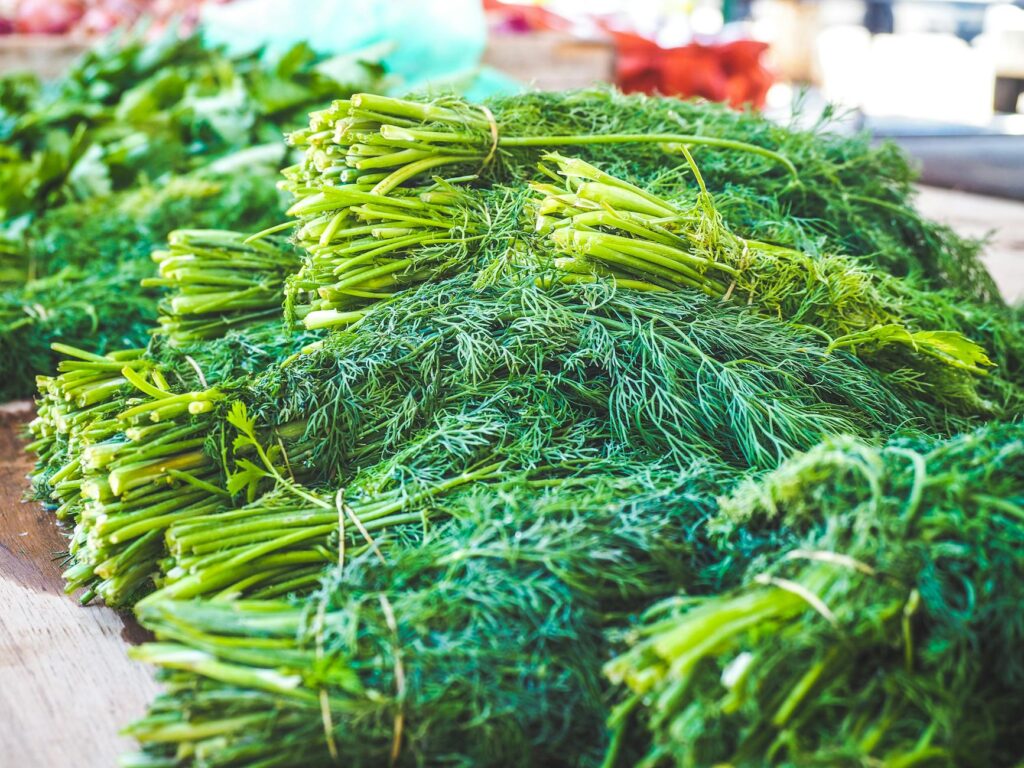
Top Fennel Fronds Producing Regions
Introduction
Fennel fronds, the delicate, feathery green tops of the fennel plant, are celebrated for their aromatic qualities and culinary versatility. Originating from the Mediterranean region, these fronds have gained popularity around the globe, not only for their flavor but also for their aesthetic appeal in dishes. Understanding the regions where fennel fronds are produced can provide insights into their quality, flavor profiles, and uses in various cuisines. This article delves into the top producing regions of fennel fronds, exploring their history, production methods, and more.
What Is Regions?
In the context of agricultural products like fennel fronds, “regions” refer to specific geographic areas known for cultivating a particular crop. These areas can be characterized by their climate, soil type, and agricultural practices, all of which influence the quality and flavor of the produce. For fennel fronds, the regions where they are grown significantly affect their aromatic properties and culinary applications.
History and Origins
Fennel (Foeniculum vulgare) has a rich history that dates back to ancient civilizations. Native to the Mediterranean region, fennel has been cultivated since antiquity, often associated with culinary and medicinal uses. The Romans revered fennel, using it in cooking and for various health benefits.
The cultivation of fennel spread throughout Europe and eventually to other parts of the world, including North America and Asia. While the bulbous part of the fennel plant is often the star of the show, the fronds have gained recognition for their unique flavor profile and versatility. Today, fennel fronds are grown in diverse regions, each contributing distinct characteristics based on local growing conditions.
Production and Processing
Fennel fronds thrive in warm, sunny climates with well-drained soil. The primary fennel-producing regions include Italy, India, China, and the United States, each with its own cultivation practices.
Italy
Italy is renowned for its fennel production, particularly in regions such as Sicily and Calabria. The warm Mediterranean climate, combined with rich, fertile soil, allows fennel plants to flourish. Italian fennel fronds are often characterized by their robust flavor and vibrant green color. Farmers typically harvest the fronds in late summer and early fall when they are most aromatic.
India
India is another significant producer of fennel, especially in states like Gujarat and Rajasthan. Indian fennel fronds are often used in traditional dishes, contributing to the country’s diverse culinary landscape. The fronds are harvested during the dry season, ensuring that they retain their aromatic properties.
China
China has emerged as a major player in fennel production, particularly in the northern regions where the climate is conducive to growing this herb. Chinese fennel fronds are often recognized for their mild flavor and are commonly used in stir-fries and soups.
United States
In the United States, California is the leading producer of fennel fronds. The state’s Mediterranean-like climate allows for optimal growth, and the fronds are harvested year-round. California fennel fronds are known for their freshness and are often found in farmers’ markets and gourmet grocery stores.
Processing
Once harvested, fennel fronds undergo minimal processing. They are typically washed and sorted before being packaged for sale. The freshness of the fronds is critical, as they are highly perishable. Proper handling and transportation are essential to maintain their quality.
Quality and Grading
The quality of fennel fronds is determined by several factors, including color, aroma, and freshness. High-quality fronds should be vibrant green, with a fragrant aroma that is slightly sweet and licorice-like.
Grading Standards
While there are no universally accepted grading standards specifically for fennel fronds, general guidelines can be applied. Fronds should be free from blemishes, wilting, or discoloration. The best fronds are often sold in bunches, allowing consumers to inspect them before purchase.
Buying Considerations
When purchasing fennel fronds, several considerations should be taken into account:
1. Freshness: Look for vibrant green fronds that are firm and fragrant. Avoid any that appear wilted or discolored.
2. Source: Consider purchasing from local farmers’ markets or organic suppliers to ensure quality and support sustainable practices.
3. Storage: Fennel fronds are perishable, so buy only what you need and use them promptly.
4. Organic vs. Conventional: Organic fennel fronds may offer a richer flavor and fewer pesticide residues, making them a preferable choice for many consumers.
Uses and Applications
Fennel fronds are incredibly versatile and can be used in a variety of culinary applications. Their aromatic qualities make them a popular choice for garnishing dishes, flavoring stocks, and enhancing salads.
Culinary Uses
- Garnish: The fronds add a decorative touch to dishes, enhancing both flavor and presentation.
- Seasoning: Finely chopped fronds can be used to season fish, poultry, and vegetable dishes, imparting a subtle anise flavor.
- Infusions: The fronds can be steeped in oils or vinegars to create flavored condiments that elevate dishes.
- Salads: Fresh fennel fronds can be tossed into salads, adding a refreshing crunch and aromatic quality.
- Refrigeration: Place the fronds in a damp paper towel and store them in a plastic bag in the refrigerator. This helps retain moisture and keeps them fresh.
- Shelf Life: Fresh fennel fronds typically last about 1 week in the refrigerator. If they begin to wilt, they can still be used in cooked dishes.
- Freezing: For longer storage, fennel fronds can be chopped and frozen in ice cube trays with water or oil. This preserves their flavor for later use.
- Misconception 1: Fennel fronds are just a byproduct of fennel bulbs and have no culinary value.
- Misconception 2: Fennel fronds are interchangeable with fennel seeds.
- Misconception 3: Fennel fronds are only used in Mediterranean cuisine.
Storage and Shelf Life
Fennel fronds are best used shortly after purchase to enjoy their full flavor and aroma. When storing, follow these guidelines:
Common Misconceptions
Despite their popularity, several misconceptions about fennel fronds persist:
Truth: Fennel fronds are valued for their unique flavor and can enhance a variety of dishes.
Truth: While both come from the fennel plant, the flavor profiles are different. Fronds are fresh and herbaceous, while seeds have a concentrated, sweet flavor.
Truth: These fronds are utilized in a wide range of culinary traditions, including Asian, Middle Eastern, and American cuisines.
Frequently Asked Questions (FAQs)
1. Are fennel fronds edible?
Yes, fennel fronds are entirely edible and are often used as a garnish or seasoning in various dishes.
2. How can I tell if fennel fronds are fresh?
Fresh fennel fronds should be vibrant green, firm, and fragrant. Avoid any that are wilted or discolored.
3. Can I use fennel fronds in cooking?
Absolutely! Fennel fronds can be used to season fish, add flavor to salads, or garnished on a variety of dishes.
4. How should I store fennel fronds?
Wrap fennel fronds in a damp paper towel and store them in a plastic bag in the refrigerator to maintain freshness.
5. How long do fennel fronds last in the refrigerator?
Fresh fennel fronds typically last about one week in the refrigerator.
6. Can I freeze fennel fronds?
Yes, you can chop and freeze fennel fronds in ice cube trays with water or oil for later use.
Conclusion
Fennel fronds, with their unique flavor and aromatic properties, are cultivated in various regions around the world. Understanding the top producing areas—Italy, India, China, and the United States—provides valuable insights into their quality and uses. As culinary trends continue to evolve, fennel fronds remain a cherished ingredient, enhancing dishes across global cuisines. Whether used as a garnish or a primary flavoring agent, these delicate fronds are a testament to the rich history and versatility of the fennel plant.