
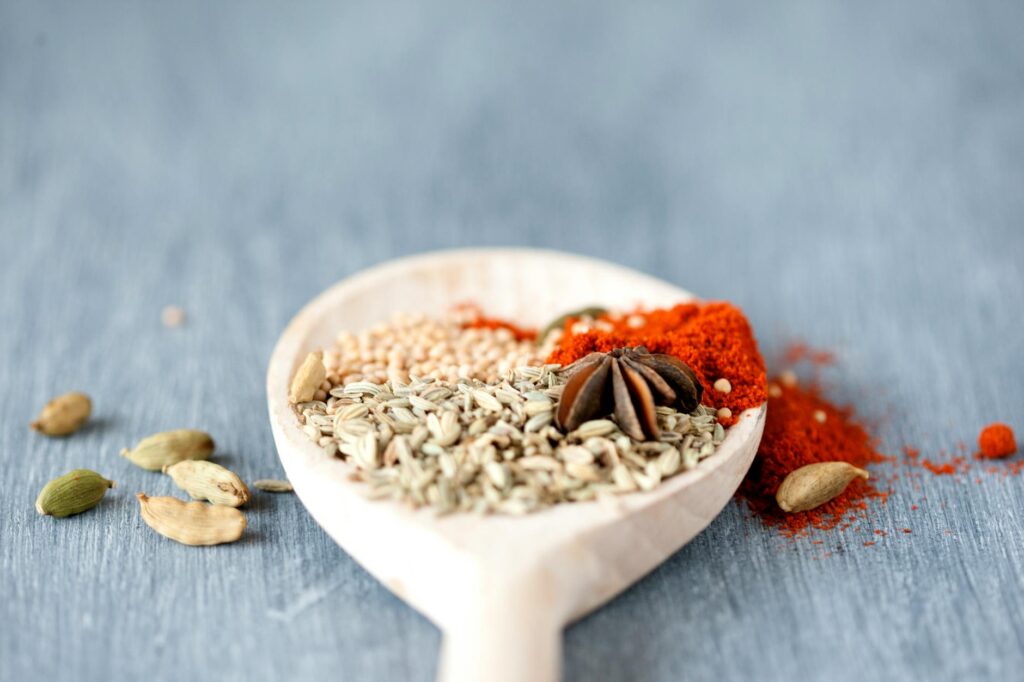
Top Fennel Seeds Producing Regions
Introduction
Fennel seeds, derived from the flowering plant Foeniculum vulgare, are celebrated for their aromatic flavor and culinary versatility. While fennel is native to the Mediterranean region, its cultivation has spread across the globe, with several regions emerging as significant producers. This article explores the top fennel seed-producing regions, delving into their unique growing conditions, historical significance, and the processes that contribute to high-quality production.
What Is Regions?
In the context of agricultural production, “regions” refer to specific geographic areas where particular crops are cultivated due to favorable climatic, soil, and environmental conditions. Each region may have distinct varieties of fennel seeds, shaped by local agricultural practices and consumer preferences. Understanding these regions provides insight into the characteristics and availability of fennel seeds globally.
History and Origins
Fennel has a rich history, with roots tracing back to ancient civilizations. Originally cultivated in the Mediterranean, fennel was used not only as a culinary herb but also for medicinal purposes. Its seeds became popular in various cultures, from ancient Egypt, where they symbolized strength and vitality, to medieval Europe, where they were used in soups and breads.
The global trade of fennel seeds began to gain momentum during the Age of Exploration, as European traders introduced fennel to new territories. Today, major fennel seed-producing countries include India, China, Egypt, and Turkey, each with its own unique cultivation practices and historical ties to this aromatic seed.
Production and Processing
Fennel seeds thrive in well-drained, fertile soils rich in organic matter. The ideal climate for fennel cultivation is temperate, with moderate rainfall and well-defined seasons. In regions where fennel is primarily grown, farmers often practice crop rotation to maintain soil health and maximize yield.
Major Producing Regions
1. India: India is the largest producer of fennel seeds, with the states of Gujarat and Rajasthan at the forefront. The sandy loam soil and favorable climate conditions in these regions contribute to the high-quality seeds produced. Farmers often employ traditional farming methods, alongside modern agricultural practices, to enhance yield and sustainability.
2. China: Known for its diverse agricultural landscape, China cultivates fennel seeds primarily in the provinces of Xinjiang and Gansu. The country’s vast arable land and advancing agricultural technologies have made it a significant player in the global fennel seed market.
3. Egypt: Egypt has a long-standing tradition of fennel cultivation, particularly in the Nile Delta region. The fertile soil and abundant irrigation from the Nile River create optimal growing conditions. Egyptian fennel seeds are renowned for their robust flavor and aromatic properties.
4. Turkey: Turkish fennel seeds, primarily grown in the Aegean region, are known for their unique flavor profile and quality. Farmers in Turkey often use organic farming methods, making their fennel seeds increasingly popular among health-conscious consumers.
Processing Techniques
Once harvested, fennel seeds undergo several processing steps to ensure quality and flavor. These include:
- Drying: Freshly harvested seeds are sun-dried to reduce moisture content, preventing spoilage and enhancing shelf life.
- Cleaning: Seeds are thoroughly cleaned to remove impurities, dirt, and foreign materials.
- Sorting and Grading: High-quality seeds are sorted based on size, color, and aroma, ensuring that only the best are packaged for sale.
- Grade A: These are the highest quality seeds, characterized by their uniform size and vibrant color, often with a strong aroma.
- Grade B: Slightly inferior to Grade A, these seeds may have minor imperfections but still retain good flavor and aroma.
- Grade C: These seeds may have visible defects and are often used in industrial applications rather than culinary uses.
- Culinary Use: Fennel seeds are commonly used in spice blends, marinades, and as a seasoning for meats and vegetables. They impart a sweet, anise-like flavor that enhances dishes ranging from curries to baked goods.
- Beverages: In many cultures, fennel seeds are brewed into teas or infused into spirits, providing aromatic and flavorful notes.
- Preservation: Fennel seeds are sometimes used in pickling due to their preservative qualities and ability to impart flavor.
- Containers: Store fennel seeds in an airtight container to prevent exposure to air and moisture.
- Location: Keep them in a cool, dark place, away from direct sunlight and heat sources.
- Shelf Life: When stored correctly, fennel seeds can last for up to three years. However, their flavor is best within the first year of purchase.
- Fennel vs. Anise: While fennel seeds and anise seeds have similar flavors, they come from different plants. Fennel seeds come from Foeniculum vulgare, while anise seeds are derived from Pimpinella anisum. They can, however, be used interchangeably in many recipes.
- Culinary Use: Some believe fennel seeds are only suitable for savory dishes. In reality, they can enhance the flavor of sweet dishes as well, such as cakes and desserts.
Quality and Grading
The quality of fennel seeds is determined by various factors, including size, color, aroma, and flavor profile. Grading systems differ from region to region but generally categorize seeds into several classes:
Understanding these grading systems is crucial for buyers looking to purchase fennel seeds for culinary or commercial purposes.
Buying Considerations
When purchasing fennel seeds, several factors should be taken into account to ensure quality and authenticity:
1. Source: Always buy from reputable suppliers or trusted brands to avoid adulterated or low-quality seeds.
2. Freshness: Check the packaging date to ensure that the seeds are fresh. Fennel seeds can lose their flavor over time.
3. Organic Certification: If you prefer chemical-free products, look for organic certification on the packaging.
4. Variety: Different regions produce various fennel seed varieties; consider what flavor profile you desire and choose accordingly.
Uses and Applications
Fennel seeds are incredibly versatile and find applications across various culinary traditions. Some of their primary uses include:
Storage and Shelf Life
To maintain the flavor and quality of fennel seeds, proper storage is essential. Here are some guidelines:
Common Misconceptions
Several misconceptions surround fennel seeds that can lead to confusion:
Frequently Asked Questions
1. Are fennel seeds gluten-free?
Yes, fennel seeds are naturally gluten-free, making them a safe choice for those with gluten sensitivities.
2. How can I tell if fennel seeds are fresh?
Fresh fennel seeds have a strong, aromatic scent. If the seeds smell bland or lack fragrance, they may be old and should be replaced.
3. Can I grow fennel seeds at home?
Yes, fennel can be grown in home gardens, provided that you have well-drained soil and ample sunlight. It typically requires a temperate climate for optimal growth.
4. What is the difference between sweet and bitter fennel seeds?
Sweet fennel seeds are generally the seeds of Foeniculum vulgare var. dulce, while bitter fennel seeds come from Foeniculum vulgare var. vulgare. The former is sweeter and milder, while the latter has a more pronounced flavor.
5. Are fennel seeds used in any traditional dishes?
Yes, fennel seeds are commonly used in various traditional dishes, including Indian curries, Italian sausage, and Middle Eastern spice blends.
6. What should I look for when buying fennel seeds?
When purchasing fennel seeds, check for freshness, aroma, and quality grading. Opt for seeds from reputable suppliers and consider buying organic varieties if desired.
Conclusion
Fennel seeds, with their unique flavor and extensive culinary applications, are an essential ingredient in kitchens worldwide. Understanding the regions that produce these seeds provides insight into their quality and characteristics. From India to Egypt, each location contributes its own distinct touch to this versatile spice, making it a staple in both home cooking and professional kitchens alike. Whether used as a seasoning, in beverages, or for preservation, fennel seeds continue to be a beloved ingredient in diverse culinary traditions.