
Top Feta Cheese Producing Regions
Introduction
Feta cheese, a staple of Greek cuisine, has seen a rise in global popularity due to its unique flavor profile and versatility in culinary applications. Traditionally made from sheep’s milk or a mixture of sheep and goat milk, feta is characterized by its crumbly texture and tangy taste. This article delves into the top feta cheese producing regions around the world, exploring their unique characteristics, production methods, and cultural significance.
What Is Regions?
In the context of food ingredients like feta cheese, “regions” refers to geographical areas where specific production methods, climatic conditions, and cultural practices converge to create distinctive varieties of a product. These regions not only influence the flavor and texture of feta but also embody the traditions and heritage associated with cheese-making. Understanding these regions can enhance appreciation for feta cheese and its diverse applications in both traditional and modern cuisines.
History and Origins
Feta cheese has a rich history that dates back thousands of years. It is believed to have originated in ancient Greece, with references to cheese-making found in Homer’s “Odyssey.” The term “feta,” derived from the Italian word “fetta,” meaning “slice,” was first used in the 17th century. Feta was traditionally made in the pastoral communities of Greece, where sheep grazing in the rocky terrains produced milk rich in flavor.
The cheese has evolved over the centuries, with various regions in Greece developing their unique methods and recipes. Notably, the feta cheese from regions like Thessaly, Macedonia, and the Peloponnese has been recognized for its distinct characteristics. In 2002, feta cheese was granted Protected Designation of Origin (PDO) status by the European Union, ensuring that only cheese produced in specific regions of Greece, using traditional methods, can be labeled as feta.
Production and Processing
The production of feta cheese is a meticulous process that varies slightly depending on the region. Generally, it involves the following steps:
1. Milk Collection: The primary ingredient for traditional feta is sheep’s milk, often supplemented with goat’s milk. The milk is sourced from local farms where animals graze on natural pastures.
2. Pasteurization: Although some artisanal producers may use raw milk, most commercial feta undergoes pasteurization to eliminate harmful bacteria.
3. Curd Formation: Rennet is added to the milk to initiate curd formation. This process typically takes several hours, after which the curds are cut into small cubes.
4. Salting: The curds are salted to enhance flavor and inhibit the growth of unwanted bacteria. The amount of salt used can vary by region, influencing the taste of the final product.
5. Brining: The cheese is then submerged in a brine solution for aging. This step is crucial for flavor development and texture.
6. Aging: Feta cheese is aged for a minimum of two months, although some varieties may be aged longer. The aging process allows the flavors to mature and develop complexity.
Regions such as Epirus, Lesbos, and Chania are known for their specific techniques and milk sources, contributing to the diverse flavor profiles found in feta cheese.
Quality and Grading
The quality of feta cheese is determined by several factors, including milk source, production methods, and aging conditions. In Greece, feta cheese must meet specific criteria to be labeled as PDO feta, ensuring it adheres to traditional methods and standards.
Quality grading often considers factors such as:
- Texture: High-quality feta should be crumbly yet creamy, easily breaking apart without being too dry.
- Flavor: The taste should be tangy with a slight saltiness, characteristic of the region’s milk.
- Color: Authentic feta is typically white, with a slight sheen.
- Origin: Look for feta that is labeled as PDO, indicating it has been produced in designated regions of Greece using traditional methods.
- Milk Type: Traditional feta is made from sheep’s milk or a blend of sheep and goat milk. Check the label for these specifications.
- Texture and Appearance: The cheese should be white and crumbly, with no signs of discoloration or excessive moisture.
- Packaging: Feta is often sold in brine, which helps preserve its flavor and moisture. Ensure the packaging is intact and properly sealed.
- Freshness: Check expiration dates and consider purchasing from reputable sources or specialty cheese shops for the freshest options.
- Salads: Feta is a classic ingredient in Greek salads, providing a salty contrast to fresh vegetables like tomatoes and cucumbers.
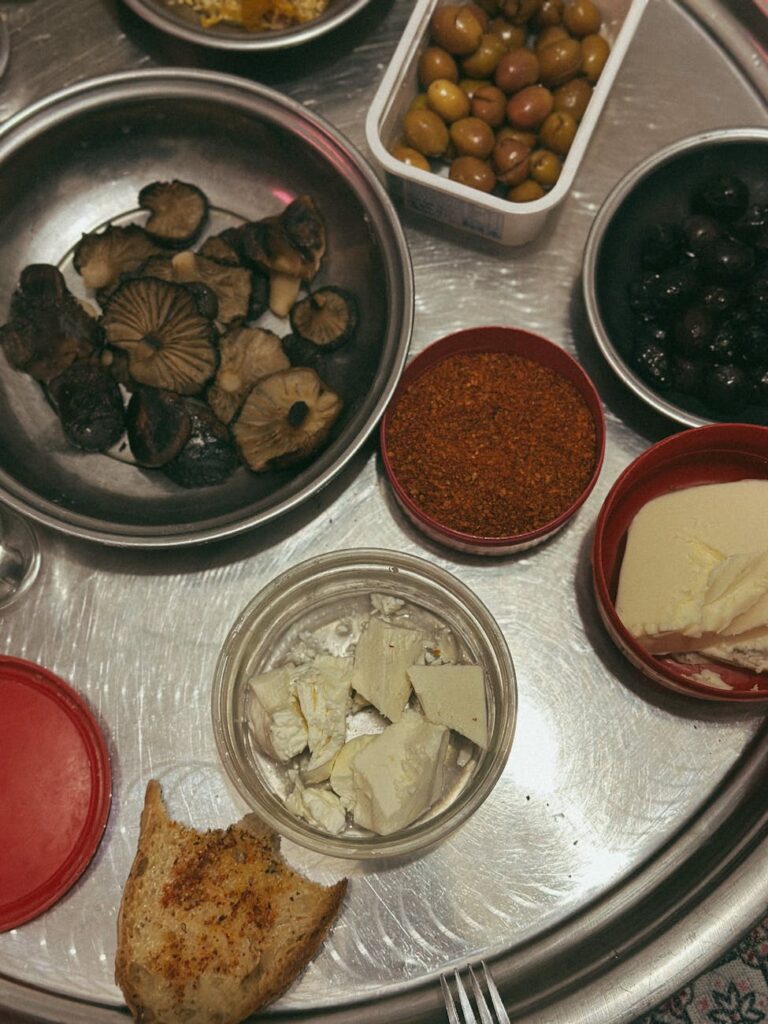
- Mezes: In Mediterranean cuisine, feta is often served as part of a meze platter, accompanied by olives, bread, and dips.
- Baking: Feta can be incorporated into pastries such as spanakopita or used in savory tarts and quiches.
- Pasta and Grains: Crumbled feta adds flavor to pasta dishes, grain salads, and risottos.
- Toppings: It can be used as a topping for pizzas or flatbreads, enhancing the overall flavor profile.
- Refrigeration: Feta should be stored in the refrigerator at temperatures between 34°F and 40°F (1°C to 4°C).
- Brine Storage: If stored in brine, keep the cheese submerged to prevent it from drying out. If the original brine is depleted, you can create a simple brine solution using water and salt.
- Vacuum-Sealed Packages: If the feta is sold in vacuum-sealed packages, it can last longer but should be consumed within a few weeks once opened.
- Freezing: While not ideal, feta cheese can be frozen for up to three months. However, freezing may alter its texture, making it more suitable for cooking rather than direct consumption.
Consumers are encouraged to look for PDO labels to ensure they are purchasing genuine Greek feta cheese. Additionally, artisanal producers may offer unique varieties that reflect local practices, providing an opportunity to explore different flavor profiles.
Buying Considerations
When purchasing feta cheese, several factors should be considered to ensure quality and authenticity:
Uses and Applications
Feta cheese is celebrated for its versatility in a variety of culinary applications. Its crumbly texture and tangy flavor make it an excellent addition to numerous dishes:
The adaptability of feta extends beyond traditional uses, as it can also be found in contemporary recipes that celebrate fusion cuisine.
Storage and Shelf Life
Proper storage is crucial for maintaining the quality and flavor of feta cheese. Here are some guidelines:
Generally, feta cheese can last several weeks in the refrigerator once opened, but it’s best to consume it within a week or two for optimal flavor.
Common Misconceptions
Despite its popularity, there are several misconceptions surrounding feta cheese:
1. All Feta Is Greek: While feta originated in Greece, many countries produce their own versions. However, only cheese made in certain regions of Greece can be labeled as PDO feta.
2. Feta Is Always White: While traditional feta is typically white, some varieties may have a yellowish hue due to the type of milk used or the aging process.
3. Feta Is Unhealthy: While feta is higher in sodium than some cheeses, it also contains beneficial nutrients such as calcium and protein. Moderation is key.
4. Feta Is Only for Salads: Feta’s versatility means it can be used in a wide range of dishes beyond salads, including pastries, pasta, and more.
5. Feta Has a Uniform Flavor: The flavor profile of feta can vary significantly based on the region of production, the type of milk used, and the aging process.
Frequently Asked Questions
1. What is the difference between feta and other cheeses?
Feta is a brined curd cheese with a tangy flavor and crumbly texture, typically made from sheep’s or goat’s milk. It differs from other cheeses in its production methods and unique flavor profile.
2. Can feta cheese be made from cow’s milk?
While traditional feta is made from sheep’s or goat’s milk, some producers create cow’s milk feta. However, this does not qualify as PDO feta and may have a different taste and texture.
3. How should I serve feta cheese?
Feta can be served crumbled in salads, as part of a meze platter, or used in baked dishes. It is also delicious when paired with fruits, olives, or drizzled with olive oil.
4. Is feta cheese suitable for vegetarians?
Feta cheese made with vegetable rennet is suitable for vegetarians. However, traditional feta uses animal rennet, so it’s essential to check the label.
5. How can I tell if feta cheese is fresh?
Fresh feta cheese should be white, crumbly, and have a clean, tangy smell. If it has an off odor or shows signs of mold, it should be discarded.
6. Can I use feta as a substitute for other cheeses?
Feta can be used as a substitute for cheeses like ricotta or goat cheese in various dishes. Its distinct flavor will add a unique twist to recipes.
In conclusion, feta cheese is a remarkable culinary ingredient with deep roots in various regions. Understanding the diverse producing areas enhances appreciation for this beloved cheese and its applications in global cuisine. Whether enjoyed in a traditional Greek salad or incorporated into modern dishes, feta continues to delight palates around the world.