
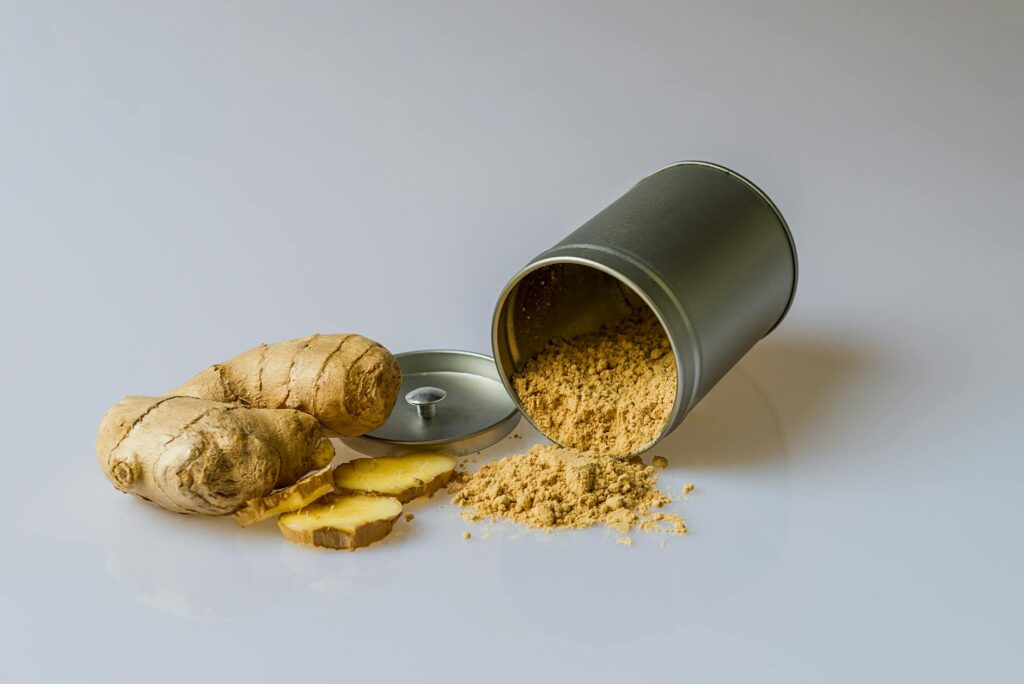
Top Ginger Producing Regions
Introduction
Ginger, a spice known for its distinctive flavor and aroma, has been a staple in culinary traditions around the world for centuries. Its versatility extends beyond the kitchen, finding uses in traditional medicine, cosmetics, and various industries. Understanding the regions that produce ginger can provide valuable insights into its quality, flavor profiles, and availability. This article explores the top ginger-producing regions, delving into their unique characteristics, production practices, and historical significance.
What Is Regions?
In the context of agricultural products like ginger, “regions” refer to specific geographical areas where the cultivation of the ingredient is prominent. These regions often have particular climatic, soil, and cultural characteristics that influence the growth and quality of ginger. Factors such as temperature, rainfall, and local farming practices contribute to the distinct flavors and types of ginger produced in each area.
History and Origins
Ginger (Zingiber officinale) has a rich history that dates back thousands of years, with origins believed to be in Southeast Asia. It has been cultivated in India and China for over 5,000 years, where it was initially valued for its medicinal properties. It was introduced to the Mediterranean region by traders and became popular in ancient Rome, where it was widely used in cooking and as a preservative.
As trade routes expanded, ginger made its way to Europe, where it became a sought-after spice during the Middle Ages. The cultivation of ginger spread to various parts of the world, including the Americas, where it was introduced by European colonists. Today, ginger is grown in numerous countries, with specific regions emerging as significant producers.
Production and Processing
Major Ginger-Producing Regions
1. India
India is the largest producer of ginger globally, accounting for a significant portion of the world’s supply. The primary ginger-producing states are Kerala, Meghalaya, Karnataka, and Assam. The country’s diverse climate and rich soil provide ideal growing conditions for high-quality ginger.
- Kerala: Known for its high-quality ginger, Kerala’s warm and humid climate, coupled with its rich alluvial soil, yields a spicy and aromatic variety.
- Meghalaya: This northeastern state is known for its unique ginger known as “Sonth” or dried ginger, which has a strong flavor profile.
- Washing and peeling: Fresh ginger is washed thoroughly to remove dirt and impurities. Peeling may be done to enhance its appearance and usability in cooking.
- Drying: Ginger can be dehydrated to produce dried ginger, which has a longer shelf life and is often used in spice mixes and herbal teas.
- Pickling: In some cultures, ginger is pickled in vinegar or sugar, creating a sweet and tangy product that can be used as a condiment.
- Juicing and extracting: Ginger juice and essential oils are extracted for use in beverages, cosmetics, and herbal remedies.
- Appearance: High-quality ginger should have a smooth skin, firm texture, and a vibrant color. Any signs of mold, blemishes, or shriveling indicate inferior quality.
- Aroma and Flavor: Fresh ginger should have a pungent aroma and a sharp, spicy flavor. The intensity of these characteristics can vary based on the region of production.
- Moisture Content: Ginger with lower moisture content is generally considered superior, as it has a longer shelf life and is less prone to spoilage.
- Freshness: Opt for fresh ginger with a firm texture and no signs of mold or shriveling. The aroma should be strong, indicating freshness.
- Source: Consider the region of origin, as certain areas are known for producing higher-quality ginger. For instance, Jamaican ginger is often preferred for its distinct flavor.
- Form: Ginger is available in various forms, including fresh, dried, powdered, and pickled. Choose the form that best suits your culinary needs.
- Organic Certification: Organic ginger is cultivated without synthetic pesticides and fertilizers, making it a healthier choice for both consumers and the environment.
- Culinary Uses: Fresh ginger is commonly used in Asian cuisine, particularly in stir-fries, soups, and marinades. Dried ginger is often used in baking, spice blends, and herbal teas.
- Beverages: Ginger is a popular ingredient in beverages, such as ginger tea, ginger ale, and cocktails. Its flavor adds a refreshing kick to drinks.
- Cosmetics: Ginger extract is used in cosmetic products for its aromatic properties and potential skin benefits, including anti-inflammatory effects.
- Aromatherapy: Ginger essential oil is used in aromatherapy for its warming and invigorating properties, often blended with other essential oils for therapeutic purposes.
- Fresh Ginger: Store fresh ginger in a cool, dry place. If unpeeled, it can be kept in the refrigerator for up to three weeks. For longer storage, consider freezing it, which can extend its shelf life for several months.
- Dried Ginger: Keep dried ginger in an airtight container in a cool, dark place. When stored correctly, dried ginger can last for up to two years.
- Pickled Ginger: Pickled ginger should be stored in the refrigerator and consumed within a few months for optimal flavor and safety.
- All Ginger is the Same: Many people assume that all ginger varieties are identical. However, different regions produce distinct flavors and qualities, influenced by local growing conditions and practices.
- Ginger is Only Used Fresh: While fresh ginger is popular, dried ginger and powdered forms are equally valuable in culinary applications and are commonly used in various cuisines.
- Ginger is Only for Cooking: Ginger’s uses extend beyond culinary applications; it is also employed in cosmetics, aromatherapy, and traditional medicine.
2. China
China ranks as the second-largest producer of ginger. The provinces of Sichuan, Guangxi, and Yunnan are notable for their ginger cultivation. The climate in these regions allows for year-round production, resulting in a variety of ginger types.
3. Nigeria
Nigeria has emerged as a significant player in the global ginger market over the past few decades. The northern states, such as Kaduna and Kano, are the primary growing areas. Nigerian ginger is known for its strong flavor and high oil content, making it a favorite in international markets.
4. Thailand
Thailand is known for its unique varieties of ginger, including the famous “galangal.” The country’s warm climate and fertile soils enable the cultivation of both fresh ginger and dried forms used in traditional Thai cuisine.
5. Jamaica
Jamaican ginger is renowned for its distinct flavor and aromatic qualities. The island’s volcanic soil and favorable climate contribute to its exceptional quality. Jamaica has a long history of ginger cultivation, and its products are highly sought after in the global market.
Processing Methods
After harvesting, ginger undergoes various processing methods to enhance its shelf life and usability. Common methods include:
Quality and Grading
The quality of ginger is determined by several factors, including its appearance, flavor, aroma, and moisture content. Grading systems may vary by region, but the following criteria are commonly used:
Buying Considerations
When purchasing ginger, there are several factors to consider to ensure you select high-quality products:
Uses and Applications
Ginger is a versatile ingredient with a wide range of culinary and non-culinary applications:
Storage and Shelf Life
Proper storage is crucial for maintaining the quality and flavor of ginger.
Common Misconceptions
Frequently Asked Questions
1. What are the health benefits of ginger?
While ginger is often praised for its potential health benefits, it is important to consult reliable sources for information rather than relying on anecdotal evidence.
2. How can I tell if ginger is fresh?
Fresh ginger should feel firm to the touch, have a smooth skin, and possess a strong, spicy aroma. Avoid ginger that appears shriveled or has mold.
3. Can I grow ginger at home?
Yes, ginger can be grown at home in pots or garden beds, provided it receives adequate sunlight, warmth, and moisture.
4. What is the difference between fresh ginger and ground ginger?
Fresh ginger offers a more intense flavor and aroma, while ground ginger is more concentrated and has a different texture. They are used interchangeably in some recipes, but adjustments may need to be made for flavor intensity.
5. Is there a difference in flavor between different ginger varieties?
Yes, ginger from different regions can have distinct flavor profiles. For example, Jamaican ginger is often sweeter and more aromatic compared to Indian ginger.
6. How can I incorporate more ginger into my diet?
Ginger can be added to various dishes, including stir-fries, teas, smoothies, and baked goods, making it easy to incorporate into your daily meals.
Understanding the various regions that produce ginger enhances appreciation for this beloved spice and its unique characteristics. By exploring the history, production methods, and uses of ginger, one can gain a holistic view of this essential ingredient in global cuisine.