
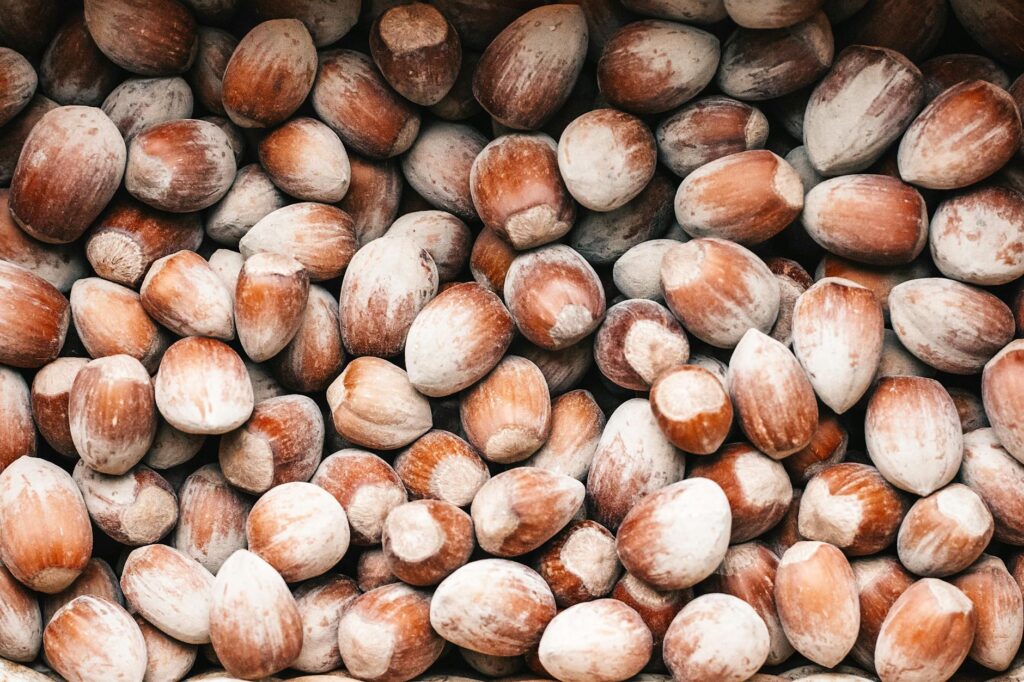
Top Hazelnuts Producing Regions
Introduction
Hazelnuts, the small, sweet, and nutty-flavored gems, are a popular ingredient in various cuisines around the globe. Their rich flavor profile and versatile applications make them a favorite for both culinary professionals and home cooks. In this article, we will explore the primary regions where hazelnuts are produced, delving into the historical, geographical, and economic aspects that shape the global hazelnut industry.
What Is Regions?
When discussing regions in relation to hazelnut production, we refer not only to the geographical areas where these nuts are cultivated but also to the climatic, soil, and agricultural practices that characterize those areas. Each region imparts distinct qualities to the hazelnuts based on its unique environment, influencing factors such as flavor, texture, and overall quality.
History and Origins
The history of hazelnuts dates back thousands of years. Archaeological evidence suggests that hazelnuts were consumed by early humans in the Mediterranean region as far back as 10,000 B.C. The hazel tree (Corylus avellana) is native to Europe and parts of Asia, thriving in temperate climates. Ancient Greeks and Romans recognized the nut’s value, often using it in culinary dishes and as a source of oil.
In the 19th century, the cultivation of hazelnuts began expanding beyond their traditional areas, particularly with the introduction of European varieties to the United States. Today, Turkey is the largest producer of hazelnuts, contributing around 70% of the global supply, while countries like Italy, the United States, and Spain also play significant roles in the market.
Production and Processing
The cultivation of hazelnuts requires specific climatic conditions; they flourish in regions with well-drained soil, adequate rainfall, and moderate temperatures. The primary hazelnut-producing regions include:
Turkey
Turkey stands as the undisputed leader in hazelnut production, particularly in the Black Sea region. The country’s unique climate and fertile soil contribute to the high yield and quality of its hazelnuts. Turkish farmers typically harvest hazelnuts from late August to mid-September. The nuts are then processed, often involving drying and shelling to prepare them for global distribution.
Italy
Italy, particularly the Piedmont region, is renowned for its high-quality hazelnuts, especially the Tonda Gentile variety. Italian hazelnuts have a distinctive flavor and are highly sought after in gourmet culinary circles. The production process in Italy emphasizes traditional harvesting methods, ensuring that the nuts are picked at the optimal time for flavor and texture.
United States
In the United States, Oregon is the primary state for hazelnut cultivation, accounting for about 99% of domestic production. The Willamette Valley provides an ideal environment for growing hazelnuts, with its volcanic soil and temperate climate. American hazelnuts are increasingly recognized for their quality and are often used in both sweet and savory dishes.
Spain
Spain is another significant producer, particularly in the northern regions like Galicia and the Basque Country. Spanish hazelnuts are known for their unique flavor and are often used in regional specialties. The country’s growing conditions and traditional farming practices contribute to the distinct characteristics of its hazelnuts.
Quality and Grading
The quality of hazelnuts is determined by several factors, including size, color, and flavor. The grading system typically categorizes hazelnuts into different classes based on these attributes. Higher-grade hazelnuts, often referred to as “jumbo” or “extra,” are larger, have fewer defects, and possess a richer flavor.
Quality Standards
International quality standards exist to ensure consistency in hazelnut production. These standards often focus on factors such as moisture content, kernel size, and absence of mold or pests. Certifications such as ISO and USDA Organic can further enhance the quality perception of hazelnuts in the marketplace.
Buying Considerations
When purchasing hazelnuts, several factors should be taken into account to ensure the best quality:
1. Origin: Knowing the region of origin can provide insights into the flavor profile and quality of the hazelnuts.
2. Freshness: Freshly harvested hazelnuts will have a more robust flavor. Look for packaging dates and consider purchasing from reputable suppliers.
3. Form: Hazelnuts are available in various forms, including whole, chopped, roasted, and raw. The intended use will determine which form is most appropriate.
4. Certifications: Look for quality certifications that can indicate better farming practices, sustainability, and flavor integrity.
5. Packaging: Ensure that the nuts are packaged in a way that preserves freshness, such as vacuum-sealed bags or containers that protect against moisture.
Uses and Applications
Hazelnuts are a versatile ingredient used in various culinary applications:
Culinary Uses
- Baking: Hazelnuts are often ground into flour or used whole to add nutty flavor and texture to baked goods, including cookies, cakes, and pastries.
- Confectionery: Hazelnuts are a key ingredient in many chocolates and confections, notably in popular products like Nutella and pralines.
- Savory Dishes: In addition to sweet applications, hazelnuts can be used in savory dishes, adding depth to sauces, salads, and meat dishes.
- Temperature: Store hazelnuts in a cool, dry place, ideally in an airtight container to prevent exposure to moisture.
- Refrigeration: For extended shelf life, consider refrigerating or freezing hazelnuts. This can help preserve their flavor and prevent rancidity.
- Shelf Life: Unshelled hazelnuts can last up to a year when stored properly, while shelled hazelnuts have a shorter shelf life, typically lasting about six months.
Non-Culinary Uses
Beyond the culinary world, hazelnuts have found applications in cosmetics and skincare products due to their oil content, which is rich in essential fatty acids. Hazelnut oil is often used in lotions and creams, prized for its moisturizing properties.
Storage and Shelf Life
Proper storage is crucial to maintaining the quality of hazelnuts. When stored correctly, hazelnuts can last for several months:
Common Misconceptions
1. Hazelnuts Are Just for Sweets
While hazelnuts are commonly associated with desserts, they can enhance a variety of savory dishes as well. Their nutty flavor can elevate salads, sauces, and even meat dishes.
2. All Hazelnuts Are the Same
The flavor, size, and quality of hazelnuts can vary significantly based on their region of origin. Each producing area offers unique characteristics that can influence taste and culinary applications.
3. Hazelnuts Are Only Grown in Europe
While Europe is a major producer, hazelnuts are also cultivated in several regions around the world, including North America, South America, and parts of Asia.
Frequently Asked Questions
1. What is the best way to roast hazelnuts?
Roasting hazelnuts can enhance their flavor. To roast, spread them on a baking sheet in a single layer and bake at 350°F (175°C) for about 10-15 minutes, stirring occasionally, until golden brown.
2. Are hazelnuts gluten-free?
Yes, hazelnuts are naturally gluten-free, making them suitable for gluten-sensitive individuals.
3. Can I eat hazelnuts raw?
Yes, raw hazelnuts can be consumed directly. However, roasting them enhances their flavor and makes them easier to digest for some people.
4. How can I tell if hazelnuts have gone bad?
Signs of spoilage include a rancid or off smell, discoloration, or a bitter taste. Always check for these indicators before consumption.
5. Are there any allergens associated with hazelnuts?
Yes, hazelnuts are among the common allergens. Individuals with nut allergies should avoid consuming them.
6. How can I incorporate hazelnuts into my diet?
Hazelnuts can be added to various dishes, such as salads, granola, baked goods, and even smoothies. Their versatility allows for creative culinary applications.
Conclusion
Hazelnuts are not only a delicious and versatile ingredient but also a significant agricultural product with a rich history and diverse producing regions. From Turkey to the United States, each region contributes unique qualities to the nuts, influencing their flavor and applications. Understanding the nuances of hazelnut production, storage, and culinary uses can enhance your appreciation for this remarkable ingredient. Whether you are a culinary professional or a home cook, incorporating hazelnuts into your recipes can elevate your dishes and broaden your culinary horizons.