
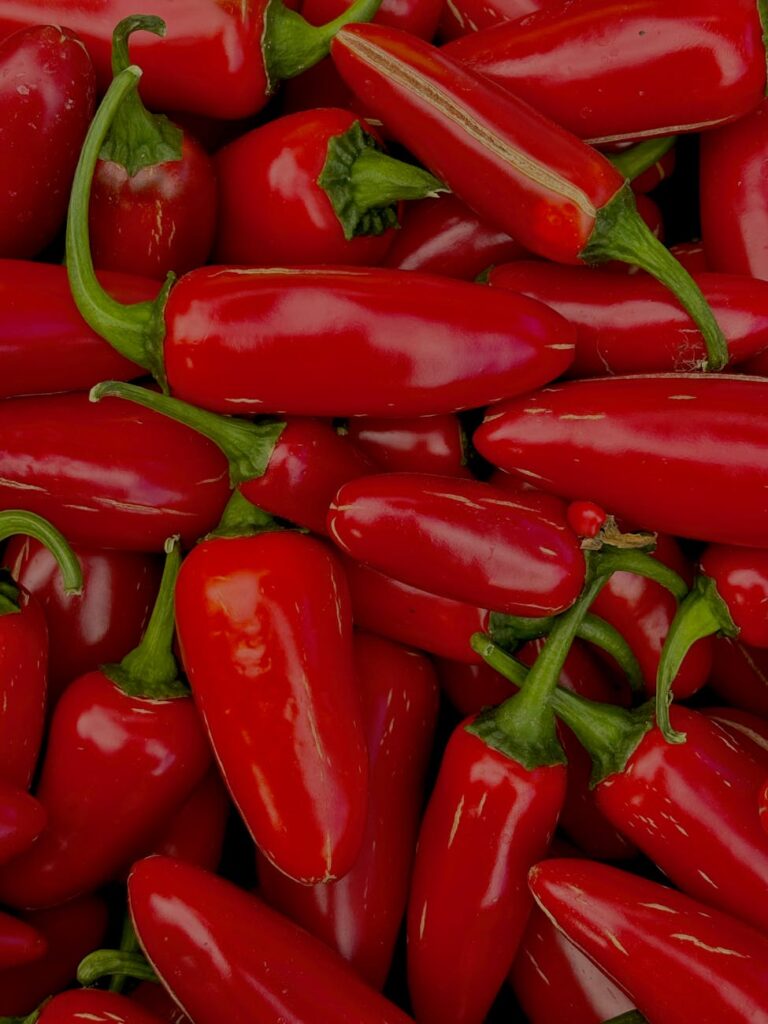
Top Jalapeño Producing Regions
Introduction
Jalapeños, known for their vibrant green color and moderate heat, have become a staple in cuisines worldwide, particularly in Mexican and Tex-Mex dishes. This versatile chili pepper not only adds flavor and heat but also a distinctive character to various dishes. Understanding the regions where jalapeños are produced can enhance appreciation for this ingredient, shedding light on the diverse agricultural practices and cultural significance surrounding it.
What Is Regions?
In the context of agricultural products, “regions” refers to geographical areas characterized by specific climatic conditions, soil types, and agricultural practices that influence the growth and quality of crops. For jalapeños, the primary producing regions are located in warm climates where the peppers can thrive. These regions not only contribute to the quantity of jalapeños produced but also play a crucial role in defining their flavor profiles and culinary applications.
History and Origins
The jalapeño pepper (Capsicum annuum) has its roots in Mexico, specifically in the region of Veracruz. It is believed that the cultivation of jalapeños dates back to the Aztec civilization, where they were utilized not only as a food source but also for their medicinal properties. The name “jalapeño” derives from Xalapa, the capital city of Veracruz, where the pepper was first cultivated.
As European colonizers ventured into the Americas, they encountered various indigenous crops, including jalapeños. Over the centuries, the pepper spread beyond Mexico to the southwestern United States and other parts of the world, adapting to local agricultural practices and climate conditions. Today, jalapeños are grown in numerous countries, but the most significant production remains concentrated in North America.
Production and Processing
Major Producing Regions
1. Mexico: The largest producer of jalapeños, Mexico benefits from its ideal climate and rich, fertile soil. States like Jalisco, San Luis Potosí, and Puebla are particularly known for their vast jalapeño farms, where cultivation occurs year-round.
2. United States: In the U.S., Texas is the leading producer, especially in the Rio Grande Valley, where the warm climate and ample irrigation support large-scale jalapeño farming. Other states, such as California and New Mexico, also contribute to the national supply, with varying climatic conditions that yield different flavor profiles.
3. Central and South America: Countries such as Guatemala and Costa Rica have also begun to produce jalapeños, albeit on a smaller scale. The cultivation methods may differ, focusing on organic practices that cater to an increasingly health-conscious market.
Cultivation Practices
Jalapeños thrive in well-drained, nutrient-rich soils with pH levels ranging from 6.0 to 6.8. Farmers typically use a combination of organic and synthetic fertilizers to enhance growth. The plants require a warm climate with temperatures between 70°F and 85°F (21°C to 29°C) for optimal growth.
Harvesting usually occurs 70 to 85 days after planting, when the peppers are firm and bright green. The timing of the harvest is crucial, as jalapeños can mature into red peppers if left on the vine longer, which offers a different flavor profile and culinary use.
Quality and Grading
The quality of jalapeños is assessed based on size, color, firmness, and absence of blemishes or defects. The United States Department of Agriculture (USDA) has established grading standards that categorize jalapeños into various grades, including U.S. No. 1, U.S. No. 2, and U.S. No. 3.
- U.S. No. 1: These are the highest quality, characterized by uniform size, vibrant color, and firm texture. They are typically sold fresh in markets.
- U.S. No. 2 and 3: These grades may have minor blemishes or size inconsistencies. While still edible, they are often used for processing or sold at a lower price point.
- Freshness: Look for peppers that are firm, shiny, and deep green in color. Avoid those with soft spots, wrinkles, or discoloration.
- Size: Depending on the intended use, size may matter. Larger jalapeños are often used for stuffing, while smaller ones can be used in salsas or sauces.
- Origin: Knowing where the jalapeños come from can help gauge quality. Mexican jalapeños are often considered to have a more authentic flavor profile, while U.S. varieties may be fresher due to proximity.
- Organic vs. Conventional: Organic jalapeños may be preferable for those seeking to avoid pesticides. However, they may also come with a higher price tag.
- Fresh: Used raw in salads, salsas, and garnishes, jalapeños add a crisp, spicy element to dishes.
- Pickled: Pickling jalapeños enhances their flavor and extends shelf life, making them a popular topping for nachos, sandwiches, and tacos.
- Roasted: Roasting jalapeños deepens their flavor, making them ideal for salsas or as a side dish.
- Stuffed: Larger jalapeños are commonly stuffed with cheese, meats, or grains, then baked or grilled for a delicious appetizer.
- Sauces: Many sauces, including hot sauces and marinades, feature jalapeños as a primary ingredient, providing heat and flavor.
Consistency in quality is vital for commercial producers as it affects marketability and consumer trust.
Buying Considerations
When purchasing jalapeños, there are several factors to consider to ensure optimal quality:
Uses and Applications
Jalapeños are incredibly versatile and can be utilized in various culinary applications, including:
Storage and Shelf Life
Fresh Jalapeños
Fresh