
Top Kimchi Producing Regions
Introduction
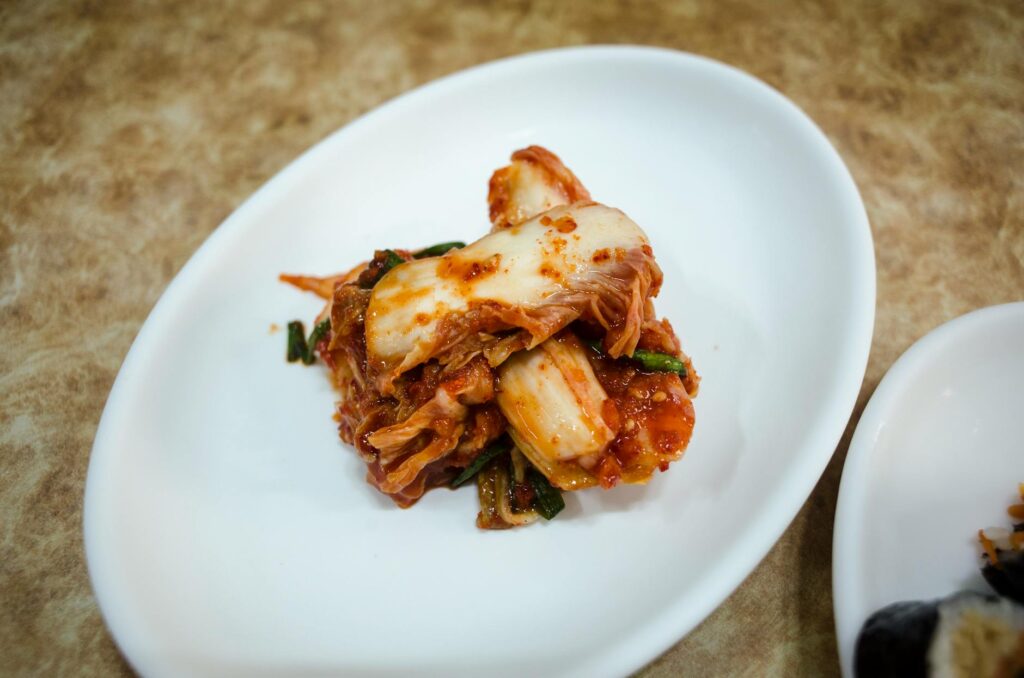
Kimchi, a staple of Korean cuisine, is not just a dish but a cultural icon, embodying centuries of tradition, flavor, and fermentation techniques. As a fermented vegetable dish, usually comprising napa cabbage, radishes, and a variety of spices, kimchi is celebrated for its complex flavors and health benefits. Understanding the regions where kimchi is produced can enhance our appreciation of this iconic ingredient, revealing the nuances that contribute to its diverse flavors and textures.
What Is Regions?
In the context of kimchi, “regions” refers to the geographical areas known for their unique styles and methods of production. Each region of Korea boasts its own distinctive kimchi varieties, influenced by local climate, agricultural practices, and cultural customs. This regional diversity not only affects the ingredients used but also the fermentation process, resulting in a wide array of flavors and textures.
History and Origins
The history of kimchi dates back to ancient Korea, with records suggesting its existence as early as the 7th century. Initially, the dish was a simple preparation of salted vegetables, intended to preserve food for the winter months. Over centuries, the introduction of spices, particularly chili pepper in the 17th century, transformed kimchi into a more complex and flavorful dish.
Different regions began to develop their own styles of kimchi, influenced by local ingredients, climate, and culinary practices. For instance, the coastal regions often included seafood in their kimchi, while mountainous areas might emphasize the use of seasonal vegetables. This regional specialization laid the groundwork for the variety of kimchi styles we see today.
Production and Processing
The production of kimchi varies significantly across regions, reflecting local agricultural practices and culinary traditions.
Northern Regions
In the northern provinces, such as Pyongan and Hamgyeong, the harsh winters lead to the production of a thicker, heartier kimchi. Ingredients such as napa cabbage and radishes are commonly used, often fermented in large clay pots. The use of salt is crucial to draw out moisture, allowing the vegetables to ferment over several weeks.
Southern Regions
Conversely, southern regions like Gyeongsang and Jeolla are known for their lighter, spicier kimchis, often featuring fresh seafood like shrimp or anchovies. Here, the fermentation process may be shorter, and the addition of fresh herbs and spices results in a brighter flavor profile.
Urban Centers
In urban areas, particularly Seoul, modern techniques and variations have emerged, including quick-fermented kimchi designed for contemporary tastes. These may incorporate non-traditional ingredients and cater to health-conscious consumers, showcasing the adaptability of kimchi in modern cuisine.
Quality and Grading
The quality of kimchi is assessed based on several factors, including taste, texture, and appearance. Traditional grading systems may evaluate the balance of flavors, the crunchiness of the vegetables, and the overall freshness.
Taste Profiles
Kimchi is often categorized into several taste profiles: spicy, sour, and umami. Quality kimchi will harmoniously balance these flavors, with sourness derived from the fermentation process and spiciness coming from the gochugaru (Korean red pepper flakes).
Appearance and Aroma
Visual appeal is also important; high-quality kimchi should present vibrant colors and a fresh aroma. The fermentation process should yield a pleasant, tangy smell rather than a pungent or off-putting odor.
Buying Considerations
When purchasing kimchi, several factors should be considered to ensure quality and authenticity.
Ingredients
Look for kimchi that utilizes natural ingredients without preservatives. Check for the presence of fish sauce or fermented seafood, which can enhance flavor but may not appeal to all dietary preferences.
Packaging
Kimchi is often sold in jars or vacuum-sealed bags. Ensure that the packaging is intact and free from any signs of spoilage, such as leaks or discoloration.
Local vs. Imported
While imported kimchi can be of high quality, local varieties may offer fresher options due to reduced transportation time. Regional specialties can provide a unique taste experience reflective of their origins.
Uses and Applications
Kimchi is incredibly versatile in culinary applications. While often served as a side dish in Korean meals, its uses extend far beyond traditional boundaries.
Side Dish
The most common use of kimchi is as a banchan, or side dish, accompanying rice and other entrees. Its spicy, tangy flavor complements a wide range of dishes, from grilled meats to stews.
Ingredient in Dishes
Kimchi can also be incorporated into various recipes, such as kimchi fried rice, pancakes, and soups, enhancing both flavor and nutritional value.
Fusion Cuisine
In recent years, kimchi has made its way into fusion cuisine, appearing in dishes like kimchi tacos, burgers, and even sushi. This adaptability has contributed to its growing popularity worldwide.
Storage and Shelf Life
Proper storage is crucial for maintaining the quality of kimchi. When stored correctly, kimchi can last several months, even up to a year, depending on the type and fermentation level.
Refrigeration
Kimchi should always be stored in the refrigerator to slow down the fermentation process. The cold temperature helps preserve its crunchiness and flavor.
Glass vs. Plastic Containers
While many people opt for plastic containers, glass jars are preferable as they do not retain odors and are less prone to leaching chemicals. Ensure the container is airtight to minimize oxidation.
Signs of Spoilage
Over time, kimchi may develop an overly sour taste or a mushy texture. While sourness is a natural result of fermentation, a drastic change in flavor or texture can indicate spoilage.
Common Misconceptions
Despite its popularity, several misconceptions about kimchi persist.
All Kimchi Is Spicy
While many varieties of kimchi are spicy due to the addition of gochugaru, not