
Top Miso Paste Producing Regions
Introduction
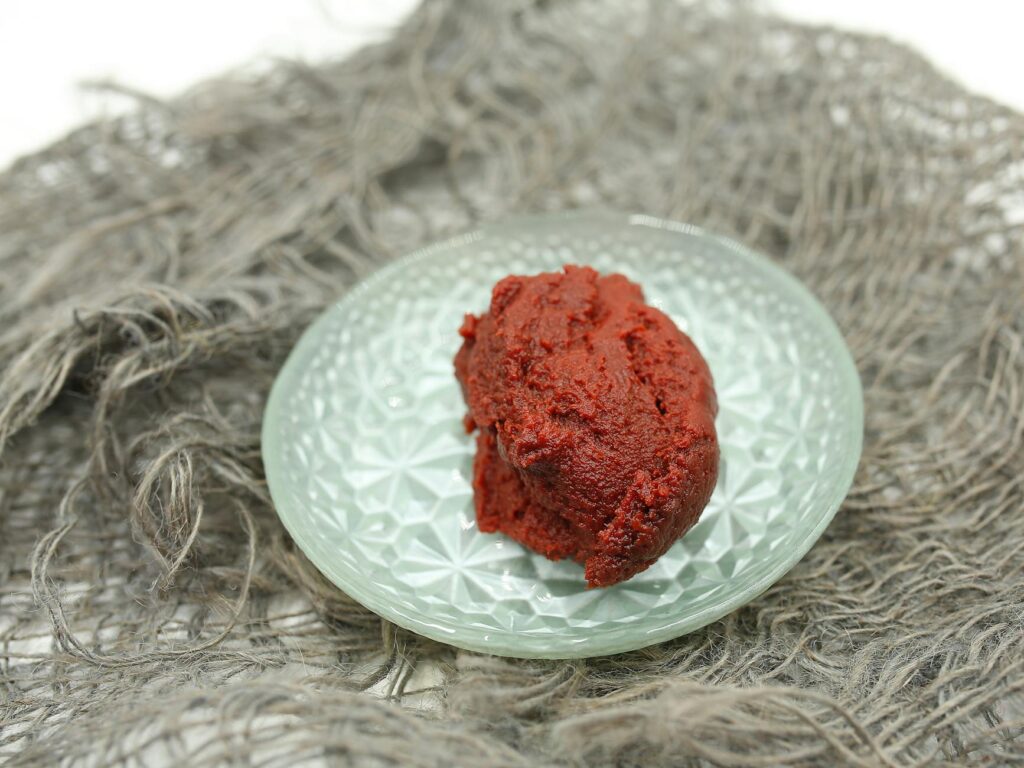
Miso paste is a cornerstone of Japanese cuisine, revered for its rich umami flavor and versatility in various dishes. While often associated with Japan, the production of miso spans several regions, each contributing unique characteristics to this fermented soy product. This article delves into the top miso paste producing regions, exploring their historical roots, production methods, and the distinct flavors that each region brings to this staple ingredient.
What Is Regions?
In the context of food and agriculture, “regions” refer to specific geographic areas known for particular culinary traditions, climatic conditions, and agricultural practices that influence the production and quality of food ingredients. For miso paste, these regions are not only defined by their locations but also by their unique methods of fermentation, types of ingredients used, and the cultural significance of miso within local cuisines.
History and Origins
The origins of miso paste can be traced back over a thousand years to ancient China, where it was first created as a fermented soy product. It was introduced to Japan during the Nara period (710-794 AD) and quickly adapted to local tastes and ingredients. The Japanese refined the fermentation process, leading to the diverse varieties of miso we know today, such as white (shiro), red (aka), and mixed (awase) miso.
Regional distinctions in miso production began to emerge during the Edo period (1603-1868), as local climates and ingredients influenced the fermentation process. Different regions developed their own unique flavors and styles, leading to the rich tapestry of miso varieties available today.
Production and Processing
Miso paste is made by fermenting soybeans with salt and a specific type of mold called Aspergillus oryzae, which is critical for breaking down the soy proteins and starches. The production process can vary significantly between regions:
- Kanto Region: Known for its smooth, sweet white miso, Kanto miso is typically made with a higher ratio of rice koji (fermented rice) and a shorter fermentation time. This yields a milder flavor that pairs well with lighter dishes.
- Kansai Region: Home to rich, robust red miso, Kansai is renowned for its long fermentation periods and the use of barley or other grains in addition to soybeans. The resulting paste has a deeper flavor profile, often used in hearty soups and marinades.
- Tohoku Region: This northern region produces more artisanal miso varieties, often using locally sourced ingredients such as sake lees, resulting in unique flavors and textures. Tohoku miso tends to be saltier and more complex, reflecting the colder climate and traditional fermentation practices.
- Fermentation Time: Longer fermentation periods generally produce a more complex flavor. High-quality miso often undergoes fermentation for several months to years.
- Ingredients: The type of koji, soybeans, and additional grains used can greatly affect the taste and texture of miso. Premium miso often includes organic or heirloom varieties of soybeans and grains.
- Texture and Flavor: Good quality miso should have a balanced flavor profile, with a harmonious blend of sweetness, saltiness, and umami. The texture can range from creamy to coarse, depending on the type and method of production.
- Soups and Broths: Miso is often the base for soups, providing depth and umami flavor. It can be used alone or combined with other ingredients like dashi or vegetables.
- Marinades and Dressings: Its umami-rich flavor makes miso an excellent ingredient for marinades, enhancing meats, tofu, and vegetables. It can also be blended into salad dressings for added complexity.
- Dips and Spreads: Miso can be mixed with other ingredients like tahini or yogurt to create flavorful dips or spreads.
- Baking: Some innovative bakers incorporate miso into breads or pastries, adding a unique flavor twist.
- Sauces: Miso can serve as a base for sauces, combining it with ingredients like soy sauce, sesame oil, and vinegar for a flavorful condiment.
- Refrigeration: Once opened, miso should be stored in the refrigerator to prevent spoilage. Always use a clean utensil to scoop out the desired amount, avoiding contamination.
- Airtight Containers: Store miso in an airtight container to minimize exposure to air, which can lead to flavor degradation.
- Shelf Life: Unopened miso can last for a year or more in the refrigerator. Once opened, it is best consumed within six months to a year, although high-quality miso may last longer.
- Miso Is Only for Soup: Many believe miso’s only application is in soup, but its versatility extends to marinades, sauces, and baked goods, among others.
- All Miso Tastes the Same: The flavor of miso varies widely by region and production method, making it essential to explore different types to appreciate their unique characteristics.
- Miso Is Unhealthy: While miso is high in sodium, it is also rich in probiotics and nutrients. Moderation and balance in the diet are key.
- Miso Can’t Be Used in Non-Japanese Dishes: Miso can enhance a wide range of international cuisines, adding depth to various dishes beyond its traditional Japanese roots.
Each region’s unique climate, such as temperature and humidity, also influences the fermentation process, leading to distinct flavor profiles and textures in the final product.
Quality and Grading
Quality and grading of miso paste are vital for both culinary applications and consumer satisfaction. Factors that influence the grading include:
Miso is often sold with labels indicating its grade, such as “premium,” “artisanal,” or “traditional,” allowing consumers to make informed choices based on their culinary needs.
Buying Considerations
When purchasing miso paste, consider the following factors to ensure you select the best product for your needs:
1. Type of Miso: Determine whether you need white, red, or mixed miso based on your intended dish. White miso is suited for salad dressings and sauces, while red miso works well in hearty soups and stews.
2. Quality Indicators: Look for organic certification or indications of small-batch production, which often correlate with higher quality.
3. Packaging: Miso should be sold in airtight containers to preserve freshness. Check expiration dates, and opt for products that are refrigerated or have been stored in cool environments.
4. Taste Testing: If possible, sample different brands and varieties to find one that suits your palate.
5. Local vs. Imported: While traditional Japanese miso is widely available, local artisanal producers may offer unique flavors that reflect regional agricultural practices.
Uses and Applications
Miso paste is incredibly versatile, finding its way into a myriad of culinary applications beyond the classic miso soup. Common uses include:
Storage and Shelf Life
Miso paste has a relatively long shelf life due to its high salt content and fermentation process. To ensure optimal freshness:
Common Misconceptions
Miso paste is often surrounded by misconceptions that can lead to misunderstandings about its use and benefits:
Frequently Asked Questions
1. What is the difference between white and red miso?
White miso is milder and sweeter, typically fermented for a shorter period, while red miso has a stronger, saltier flavor and is fermented longer, often resulting in a richer taste.
2. Can miso paste be frozen?
Yes, miso paste can be frozen. However, it is best stored in an airtight container to prevent freezer burn. Thaw it in the refrigerator before use.
3. Is miso gluten-free?
Traditional miso made from soybeans and rice is gluten-free, but miso made with barley might contain gluten. Always check labels for gluten-free certification.
4. How is miso paste used in vegan cooking?
Miso paste is an excellent source of umami flavor in vegan cooking, used in soups, dressings, and marinades to enhance the taste of plant-based dishes.
5. How do I choose the best miso for cooking?
Consider the dish you are preparing. For lighter dishes, opt for white miso; for richer, heartier fare, select red or mixed miso. Taste testing different brands can also help you find your preferred flavor.
6. Can I substitute miso in recipes?
While there are some substitutes for miso, such as tahini or soy sauce, they may not replicate the same depth of flavor. If substituting, consider the overall flavor profile of your dish.
In conclusion, exploring the various regions that produce miso paste enriches the culinary experience, allowing cooks and food enthusiasts to appreciate the nuances of this remarkable ingredient. Understanding its history, production methods, and applications not only enhances the appreciation of miso but also invites experimentation and creativity in the kitchen.