
Top Miso Ramen Producing Regions
Introduction
Miso ramen, a beloved staple of Japanese cuisine, combines the umami-rich flavor of miso with hearty noodles and a variety of toppings. While it may be enjoyed worldwide, the essence of authentic miso ramen is deeply rooted in specific regions of Japan. Each area offers its unique take on this dish, influenced by local ingredients, cultural traditions, and culinary techniques. This article explores the top miso ramen producing regions, shedding light on their historical significance, production methods, and distinctive characteristics.
What Is Regions?
In the context of food and culinary practices, “regions” refer to specific geographical areas that are known for their unique agricultural products, traditional cooking practices, and cultural influences. Each region can contribute to the flavor and authenticity of dishes, making them distinct. When discussing miso ramen, regional characteristics can be observed in the type of miso used, the preparation of the broth, and the choice of toppings, thereby enriching the dining experience.
History and Origins
Miso, a fermented soybean paste, has a long history in Japan, dating back over a thousand years. Its origins can be traced to China, where it is believed to have been introduced along with Buddhism. The Japanese adapted this ingredient, and by the Edo period (1603-1868), miso had become integral to Japanese cuisine.
The emergence of ramen as a dish is relatively recent, with roots in Chinese noodle dishes that were introduced to Japan in the late 19th century. Miso ramen, specifically, originated in Hokkaido around the mid-20th century, when local chefs began experimenting with miso as a flavor base for ramen broth. As a result, the dish became a symbol of Hokkaido’s rich agricultural produce, including high-quality soybeans used to create miso.
Production and Processing
Hokkaido
Hokkaido is the birthplace of miso ramen and is renowned for its high-quality ingredients. The region’s cold climate is ideal for cultivating soybeans, one of the primary components of miso. Hokkaido’s miso tends to be richer and more robust than that of other regions, often made from a combination of barley and rice. Traditional miso production involves fermenting the soybeans with koji mold, which contributes to the distinct flavor profile.
Tokyo
Tokyo, as a bustling metropolis, showcases a fusion of flavors and styles. While it may not be the birthplace of miso ramen, the city has adopted and adapted various regional styles. Tokyo’s miso ramen often features a lighter, more delicate broth and emphasizes the balance of flavors. The production process here includes both artisanal and industrial methods, with a focus on consistency and quality.
Kumamoto
Kumamoto, located on the island of Kyushu, offers a unique take on miso ramen. The local miso is typically darker and richer, often incorporating a blend of red and white miso. This region is known for its pork-based broths, which create a hearty, satisfying bowl of ramen. The production methods in Kumamoto emphasize slow-cooking and layering flavors, resulting in a complex taste profile.
Nagoya
Nagoya’s contribution to miso ramen is notable for its use of “red miso,” known as “hatcho miso.” This type of miso is fermented longer than its counterparts, yielding a deep, intense flavor that defines Nagoya-style ramen. The region is also famous for its use of rich toppings, such as grilled meats and vegetables, which complement the robust broth.
Fukuoka
Fukuoka, another city in Kyushu, is primarily known for its tonkotsu ramen, but it also produces a unique variant of miso ramen. The miso from Fukuoka is often lighter and sweeter than that of Kumamoto, providing a refreshing contrast to the rich, pork-based broths. Fukuoka’s ramen shops are known for their innovative toppings, including fresh greens and seafood.
Quality and Grading
The quality of miso ramen can vary significantly based on the ingredients used, the production methods, and regional practices. In Japan, miso is often graded based on its color, flavor, and fermentation process. Higher-quality miso tends to have a more complex flavor profile, with fewer additives and preservatives.
When assessing miso ramen, it’s essential to consider the following factors:
- Miso Type: The choice of miso (white, red, or mixed) significantly influences the flavor. White miso is sweeter and milder, while red miso is richer and saltier.
- Broth Quality: The base broth should be well-balanced, showcasing the umami of the miso without overpowering the other ingredients.
- Noodle Texture: Authentic ramen noodles should possess a firm texture that complements the broth.
- Toppings: Fresh, high-quality toppings elevate the dish, adding layers of flavor and texture.
- Source: Look for ramen shops that source their miso from reputable producers, preferably from the regions mentioned above.
- Freshness: Fresh ingredients contribute significantly to flavor. Check for shops that prepare their broth and noodles daily.
- Authenticity: Consider whether the restaurant adheres to traditional preparation methods, as this often enhances the overall experience.
- Tasting Notes: If available, refer to tasting notes and reviews to gauge the quality of the ramen before trying it.
- Ramen Bowls: The most common use, served hot and enjoyed as a comforting meal.
- Soups: Miso ramen broth can be used as a base for other soups, imparting depth of flavor.
- Sauces: The miso can be incorporated into sauces to enhance the umami profile of dishes, from marinades to salad dressings.
- Dips: A thickened miso ramen broth can serve as a flavorful dip for vegetables or meats.
- Dry Noodles: Uncooked ramen noodles can last for months when stored in a cool, dry place.
- Fresh Broth: Ramen broth, especially if homemade, should be refrigerated and consumed within a few days. It can also be frozen for longer storage.
- Miso Paste: Miso itself has a long shelf life when stored in the refrigerator, often lasting several months.
Buying Considerations
When purchasing miso ramen, whether at a restaurant or in a store, consider the following:
Uses and Applications
Miso ramen is not just a dish; it is a versatile ingredient that can be adapted in various culinary applications:
Storage and Shelf Life
Miso ramen can be stored effectively with proper practices:
To maintain quality, always check for any changes in color or smell, which may indicate spoilage.
Common Misconceptions
1. All Miso is the Same: There are various types of miso, each with unique flavors and uses. Understanding these differences is crucial for making authentic miso ramen.
2. Ramen Is Just Noodles: Ramen encompasses a complete dish, including broth, noodles, and toppings. Each component plays a vital role in the overall experience.
3. Only Hokkaido Makes Miso Ramen: While Hokkaido is famous for miso ramen, many regions contribute their unique styles and flavors.
4. Miso Ramen Is Always Spicy: Not all miso ramen is spicy. The level of heat varies by region and personal preference, with many styles focusing on umami rather than spice.
5. Homemade Miso Ramen Is Complicated: While making miso ramen from scratch can be intricate, using high-quality pre-made broth and noodles can simplify the process significantly.
6. Miso Ramen Is Unhealthy: Miso ramen can be part of a balanced diet, especially when made with fresh, wholesome ingredients.
Frequently Asked Questions
1. What is the difference between white and red miso?
White miso is sweeter and milder, while red miso has a stronger, saltier flavor due to a longer fermentation process. The choice between them can significantly impact the taste of miso ramen.
2. Can I make miso ramen vegetarian or vegan?
Yes, miso ramen can easily be adapted to vegetarian or vegan diets by using vegetable broth and omitting meat-based toppings.
3. How do I choose the right ramen shop?
Look for shops that emphasize quality ingredients, traditional preparation methods, and positive reviews regarding their miso ramen.
4. What are common toppings for miso ramen?
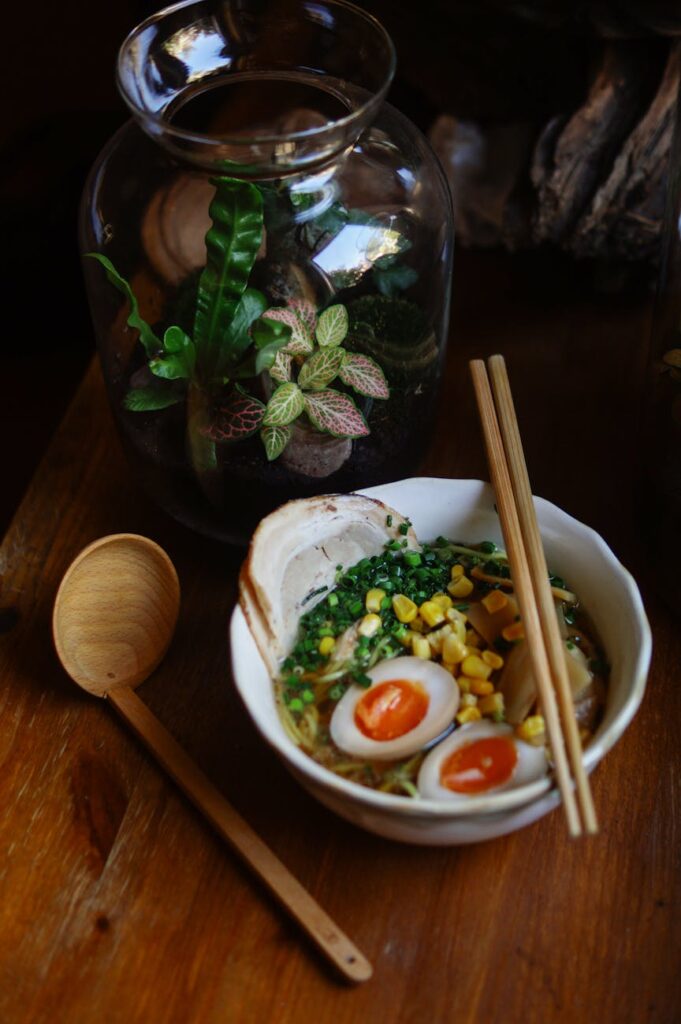
Common toppings include sliced green onions, bean sprouts, corn, bamboo shoots, and a soft-boiled egg, among others. These add texture and flavor to the dish.
5. How can I enhance the flavor of my homemade miso ramen?
Using high-quality miso, fresh ingredients, and carefully balancing the broth can significantly enhance the flavor. Experimenting with different toppings also adds depth.
6. Is it possible to find authentic miso ramen outside Japan?
Yes, many restaurants worldwide strive to create authentic miso ramen by sourcing high-quality ingredients and employing traditional techniques. However, the experience may vary depending on the chef’s expertise and the ingredients available.
In conclusion, miso ramen is a rich and diverse dish that reflects the unique characteristics of its producing regions. Understanding these regional distinctions enhances the appreciation of this culinary delight, inviting enthusiasts to explore the myriad of flavors and traditions that contribute to its enduring popularity.