
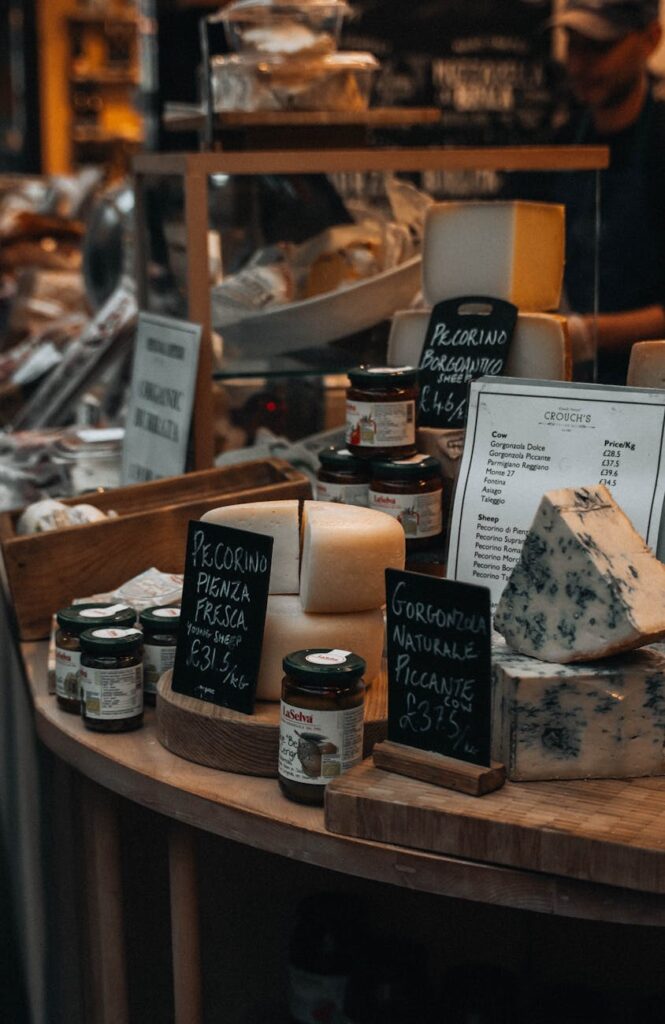
Top Pecorino Cheese Producing Regions
Introduction
Pecorino cheese, a beloved staple of Italian cuisine, is characterized by its rich, tangy flavor and crumbly texture. This cheese, made from sheep’s milk, has a storied history and a variety of regional expressions that reflect the diverse landscapes and traditions of Italy. This article delves into the top regions producing Pecorino cheese, examining their unique characteristics, historical significance, and the production processes that define this iconic cheese.
What Is Regions?
In the context of Pecorino cheese, “regions” refers to the specific areas in Italy where this cheese is produced. Each region boasts its own unique approach to cheese-making, influenced by local traditions, climate, and grazing practices. The geographical diversity contributes to the varying flavors and textures of Pecorino, making it a fascinating subject for culinary enthusiasts and cheese connoisseurs alike.
History and Origins
The origins of Pecorino cheese can be traced back to ancient Rome, where it was a staple food for soldiers and farmers. The term “Pecorino” itself derives from the Italian word “pecora,” meaning sheep. Historical records suggest that sheep herding and cheese-making were integral to the agricultural practices of the Italian peninsula as far back as the 2nd century BCE.
Over the centuries, different regions of Italy began to develop their own styles of Pecorino, influenced by local milk sources, climatic conditions, and cultural practices. Today, the most renowned varieties include Pecorino Romano, Pecorino Sardo, and Pecorino Toscano, each with its own distinct characteristics and regional significance.
Production and Processing
The production of Pecorino cheese involves several key steps, beginning with the sourcing of high-quality sheep’s milk. This milk is traditionally obtained from local breeds, which can influence the flavor profile of the cheese. The milk is then heated and combined with rennet to initiate curdling. Once the curds form, they are cut into small pieces and gently stirred to release whey.
After the curds have been drained, they are shaped into molds and pressed to achieve the desired texture. The cheese is then salted, a critical step that not only enhances flavor but also acts as a preservative. Depending on the specific variety, Pecorino may be aged from a few months to several years, during which time it develops its characteristic flavors and textures.
Quality and Grading
The quality of Pecorino cheese is determined by several factors, including the source of the milk, the production methods used, and the aging process. In Italy, Pecorino cheese is often graded according to strict standards set by regulatory bodies. The most notable designation is the Protected Designation of Origin (PDO), which signifies that a cheese is produced in a specific geographic area using traditional methods.
For example, Pecorino Romano is a PDO cheese that must be made in the provinces of Rome, Viterbo, and Grosseto. It is known for its hard, salty texture and is often used as a grating cheese. On the other hand, Pecorino Toscano, also PDO-certified, is typically softer and milder, making it suitable for slicing or eating fresh.
Buying Considerations
When purchasing Pecorino cheese, there are several factors to consider to ensure quality and authenticity:
1. Source: Look for cheeses labeled with PDO or PGI (Protected Geographical Indication) designations. These labels guarantee that the cheese adheres to specific regional production standards.
2. Texture and Age: Consider the intended use of the cheese. Younger Pecorino varieties are softer and milder, while aged cheeses are firmer and more robust in flavor.
3. Appearance: Quality Pecorino should have a clean, even rind and a uniform interior. Any irregularities might indicate improper handling or aging.
4. Flavor Profile: Taste is subjective, but seeking out cheeses from different regions can help you discover your preferred flavor nuances ranging from sweet to tangy.
5. Packaging: Fresh Pecorino should be packaged properly to avoid spoilage. Look for vacuum-sealed options for longer shelf life.
Uses and Applications
Pecorino cheese is remarkably versatile and can be used in a variety of culinary applications. Here are some common uses:
- Grating: Aged Pecorino Romano is a popular choice for grating over pasta dishes, salads, and soups. Its salty flavor enhances the overall taste of many dishes.
- Cheese Boards: Pecorino can be served on cheese boards alongside fruits, nuts, and charcuterie. Its robust flavor pairs well with a variety of accompaniments.
- Cooking: Young Pecorino varieties can be melted into sauces or used in risottos, while aged varieties may be crumbled into salads or used as a finishing touch for various dishes.
- Snacking: Slices of Pecorino, especially those that are younger and creamier, make a delightful snack on their own or paired with bread and olives.
- All Pecorino is the Same: Many people assume that all Pecorino cheese is alike. In reality, there are distinct regional varieties with unique flavors and textures.
- Pecorino is Just for Grating: While aged Pecorino is often used for grating, younger varieties can be enjoyed fresh, making them suitable for a range of dishes.
- Pecorino and Parmesan are Interchangeable: Although both cheeses are hard and salty, their flavor profiles and textures differ significantly. Pecorino generally has a stronger flavor, while Parmesan is nuttier and more subtle.
Storage and Shelf Life
Proper storage is essential for maintaining the quality of Pecorino cheese. It should be kept in a cool, dry place, ideally in the refrigerator.
1. Wrap It Right: If the cheese is not vacuum-sealed, wrap it in parchment or wax paper, then place it in an airtight container to prevent it from drying out.
2. Avoid Contamination: Use clean utensils when cutting the cheese to minimize the risk of contamination.
3. Shelf Life: Unopened Pecorino cheese typically lasts several months in the refrigerator, while once opened, it’s best consumed within a few weeks to ensure optimal flavor and texture.
Common Misconceptions
Despite its popularity, several misconceptions about Pecorino cheese persist:
Frequently Asked Questions
1. What is the difference between Pecorino Romano and Pecorino Toscano?
Pecorino Romano is saltier and harder, typically used for grating, while Pecorino Toscano is milder and softer, often enjoyed fresh or in salads.
2. Can Pecorino cheese be made from cow’s milk?
No, Pecorino cheese must be made from sheep’s milk, as indicated by its name derived from “pecora,” meaning sheep.
3. How can I tell if Pecorino cheese has gone bad?
Signs of spoilage include an off smell, mold growth (beyond the natural rind), or an overly dry, crumbly texture. If in doubt, it’s best to discard it.
4. Is Pecorino cheese gluten-free?
Yes, Pecorino cheese is naturally gluten-free, making it suitable for those with gluten intolerance.
5. How do I choose the right Pecorino cheese for cooking?
For cooking, younger Pecorino varieties are often preferred for their melting qualities, while aged varieties are better suited for grating or finishing dishes.
6. What wines pair well with Pecorino cheese?
Pecorino cheese pairs well with a variety of wines, including Chianti, Sangiovese, and even sparkling wines, depending on its age and flavor profile.
Conclusion
Pecorino cheese is more than just a culinary ingredient; it is a reflection of Italy’s rich agricultural heritage and diverse regional identities. By understanding the unique characteristics of the various producing regions, one can appreciate not only the flavors but also the cultural significance behind this delightful cheese. Whether enjoyed on its own, incorporated into dishes, or part of a gourmet cheese board, Pecorino continues to captivate the palates of food lovers around the world.