
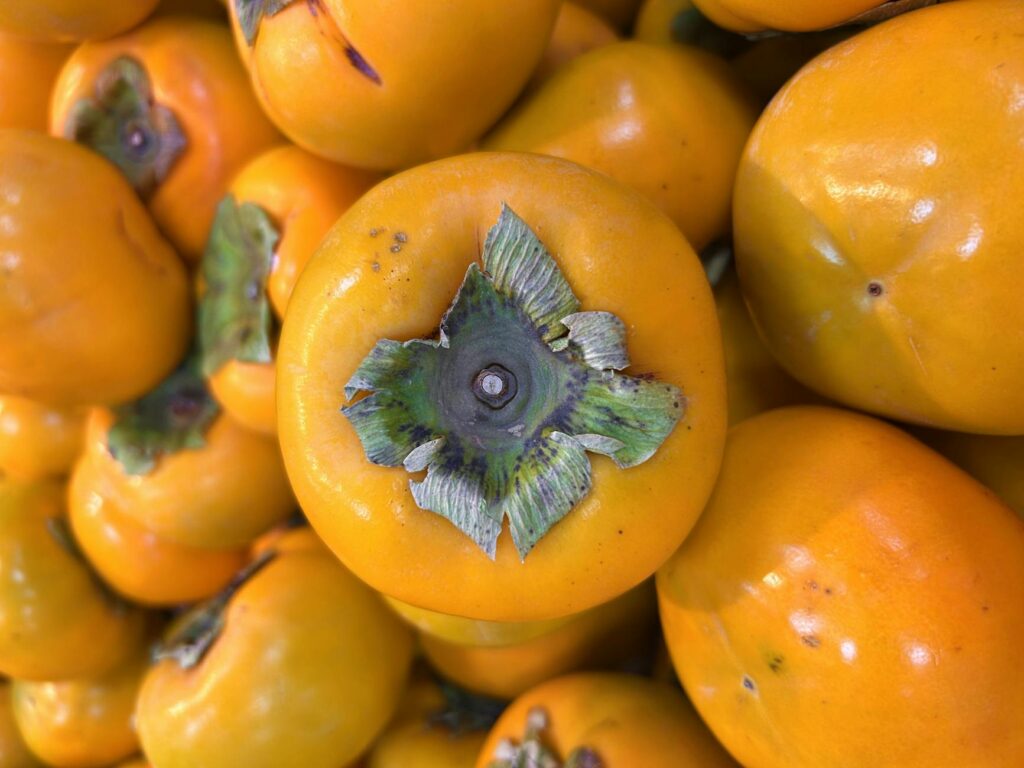
Top Persimmons Producing Regions
Introduction
Persimmons, with their vibrant hues and unique flavor profiles, are not just a delightful addition to culinary creations but also a significant agricultural product in various regions worldwide. Understanding the top producing regions for persimmons not only provides insight into the fruit’s global distribution but also highlights the cultural significance and agricultural practices associated with this exceptional ingredient. This article delves into the key regions responsible for persimmon production, exploring their history, processing methods, quality standards, and much more.
What Are Regions?
In the context of food ingredients, “regions” refers to specific geographical areas that are distinguished by their climatic conditions, soil types, and cultural practices, all of which play a crucial role in the cultivation of particular crops. For persimmons, regions are typically characterized by their suitability for growing this fruit, defined by factors such as temperature, rainfall, and farming traditions. Understanding these regions is essential for appreciating the diversity of persimmons available, as well as their unique flavors and characteristics.
History and Origins
The persimmon (Diospyros) is believed to have originated in East Asia, with archaeological evidence suggesting its domestication in China over 2,000 years ago. The fruit quickly spread to neighboring countries, including Korea and Japan, where it became integral to local diets and cultural practices. The Japanese variety, known as Fuyu, is particularly renowned for its sweetness and crunchy texture.
In the 19th century, persimmons made their way to the United States, primarily through the efforts of Japanese immigrants who introduced the fruit to California. Today, the U.S. is one of the top producers of persimmons, alongside traditional Asian countries. The history of persimmons reflects a journey of adaptation and cultural exchange, making it a fruit rich in heritage.
Production and Processing
Key Producing Regions
1. China
- As the largest producer of persimmons globally, China accounts for over 70% of the world’s production. The primary regions for cultivation include Shanxi, Henan, and Shandong provinces. The climate in these regions, characterized by distinct seasons and fertile soil, provides ideal conditions for persimmon trees.
- South Korea is renowned for its high-quality persimmons, particularly the dried variety known as “gotgam.” The Jeolla and Gyeongsang regions are the primary production areas. The Korean climate serves to enhance the sweetness and flavor of the persimmons, making them a staple in both local diets and export markets.
- Japan produces several persimmon varieties, including the popular Fuyu and Jiro. The Kinki region, particularly Nara and Wakayama prefectures, is known for its high-quality persimmons. The Japanese farming methods often emphasize organic practices, which contribute to the fruit’s premium status.
- In the U.S., California is the leading state for persimmon production, with the San Joaquin Valley being the most significant area. The climate, with its long growing season, allows for optimal fruit development. The American persimmon varieties, particularly Fuyu and Hachiya, are increasingly gaining popularity both domestically and internationally.
- Brazil has emerged as a growing producer of persimmons, particularly in the regions of São Paulo and Minas Gerais. The country is becoming known for its unique varieties that adapt well to the local climate, making it a noteworthy player in the global market.
- Fresh Consumption: In many Asian countries, persimmons are enjoyed fresh, often sliced and eaten as a snack or added to salads.
- Dried Persimmons: Particularly popular in Korea and Japan, drying enhances the sweetness and preserves the fruit for longer storage. The process involves sun-drying or using dehydrators.
- Culinary Applications: Persimmons are often used in desserts, salads, and even savory dishes, showcasing their versatility across different cuisines.
- Size and Weight: Larger, heavier fruits are often preferred for fresh consumption.
- Color: A vibrant orange hue typically indicates ripeness and sweetness.
- Firmness: Depending on the variety, firmness can indicate optimal ripeness; for instance, Fuyu persimmons are usually consumed while still firm, while Hachiya varieties are best when fully soft.
- Variety: Understand the differences between varieties. For instance, Fuyu persimmons are crisp and sweet, while Hachiya persimmons are softer and must be fully ripe before consumption.
- Ripeness: Choose fruits based on intended use. If you plan to eat them fresh, select slightly firm persimmons; for cooking or baking, opt for those that are perfectly ripe.
- Source: Consider the origin of the persimmons, as some regions are known for specific quality standards and flavor profiles.
- Fresh Consumption: Eaten raw, sliced into salads, or blended into smoothies.
- Baking: Used in cakes, muffins, and breads for added sweetness and moisture.
- Preserves and Jams: Cooked down into preserves or jams, persimmons can add
2. South Korea
3. Japan
4. United States
5. Brazil
Processing Techniques
Persimmons can be consumed fresh, dried, or processed into various products like jams and jellies. The processing methods vary by region:
Quality and Grading
The quality of persimmons is assessed based on several factors, including size, color, firmness, and sugar content. Each producing region may have specific grading systems, but common indicators of quality include:
In international markets, persimmons may be classified into grades such as U.S. No. 1, which denotes high-quality fruit suitable for fresh consumption, and lower grades for processing or export.
Buying Considerations
When purchasing persimmons, whether in a grocery store or farmers’ market, consider the following:
Uses and Applications
Persimmons are versatile ingredients used in various culinary applications, including: