
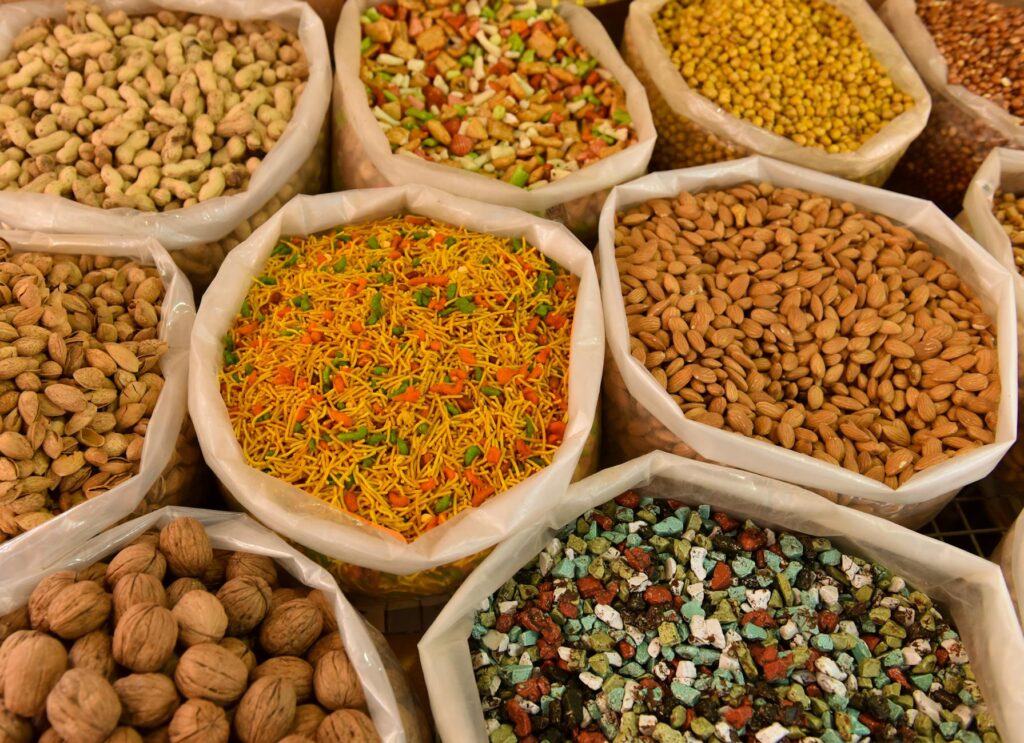
Top Pine Nuts Producing Regions
Introduction
Pine nuts, often hailed as culinary treasures, are the edible seeds of pine trees, enjoyed for their rich flavor and nutritional benefits. While they have gained popularity in many cuisines worldwide, understanding the regions that produce these delicate nuts can enhance appreciation for their diverse flavors and applications. This article delves into the top pine nut producing regions, exploring their unique characteristics, history, processing methods, and more.
What Is Regions?
In the context of agricultural products, “regions” refer to specific geographical areas where particular crops are cultivated. These regions can be defined by climate, soil type, elevation, and traditional farming practices, all of which influence the quality and flavor profile of the produce. For pine nuts, the regions vary significantly across the globe, each contributing distinct characteristics to the nuts harvested there.
History and Origins
Pine nuts have a long-standing history that intertwines with human culture. The use of pine nuts dates back thousands of years, particularly in regions like the Mediterranean and North America. Evidence suggests that indigenous peoples in North America relied on pine nuts as a staple food source, often harvesting them from various pine species.
In the Mediterranean region, particularly in Italy and Spain, pine nuts have been utilized in traditional recipes for centuries, underscoring their cultural significance. The ancient Romans were known to enjoy pine nuts, which were often included in lavish feasts. This historical backdrop highlights the enduring appeal of pine nuts throughout various cultures.
Production and Processing
Major Pine Nut Producing Regions
Pine nuts are primarily harvested from several key regions worldwide, each with unique characteristics:
1. Mediterranean Region: This area, which includes countries like Italy, Spain, and France, is renowned for its production of the Italian stone pine (Pinus pinea). The region’s warm climate and well-drained soils facilitate optimal growth conditions.
2. North America: The western United States is home to several species of pines that produce edible seeds, notably the sugar pine and the Western white pine. States like New Mexico and Arizona are significant contributors, where Native American communities have long harvested these nuts.
3. China: China is one of the largest producers of pine nuts, particularly from the Korean pine (Pinus koraiensis). The northeastern provinces, such as Heilongjiang and Jilin, are known for their vast forests and high-quality pine nuts.
4. Russia: Siberian pine nuts, sourced from the Siberian cedar (Pinus sibirica), are highly valued for their flavor and nutritional profile. Russia’s cold climate contributes to the unique characteristics of these nuts.
Harvesting Techniques
The harvesting of pine nuts is labor-intensive. Once the pine cones mature, they are typically harvested by hand or using specialized machinery. The cones are then dried to facilitate the extraction of the seeds. After extraction, the nuts undergo a cleaning process to remove any debris, followed by sorting and grading based on size and quality.
Quality and Grading
Pine nuts are graded based on various criteria, including size, color, and flavor. The highest quality pine nuts are typically larger, plumper, and have a consistent light cream color. Grading systems may vary by region, but specific standards for quality assurance ensure that consumers receive the best possible product.
Standards of Quality
1. Size: Larger pine nuts are often more sought after, as they tend to have a richer flavor and a pleasing texture.
2. Color: Fresh pine nuts should exhibit a pale yellow or cream color. Nuts that are discolored may indicate aging or rancidity.
3. Freshness: Freshly harvested pine nuts have a sweet, nutty aroma. Over time, pine nuts can go rancid due to their high oil content, affecting flavor and texture.
Buying Considerations
When purchasing pine nuts, several factors should be taken into account to ensure quality and freshness:
1. Source: Look for reputable suppliers that provide information about the origin of their pine nuts. Locally sourced options may offer superior freshness.
2. Packaging: Opt for vacuum-sealed or opaque containers to minimize exposure to light and air, both of which can lead to rancidity.
3. Date of Harvest: If possible, check for the harvest date on the packaging. Fresher nuts will have a better flavor and nutritional profile.
4. Certification: Consider looking for organic certification or other quality assurance labels that indicate responsible sourcing and processing.
Uses and Applications
Pine nuts are versatile ingredients used in a variety of culinary applications. Their rich flavor and texture make them suitable for both sweet and savory dishes.
Culinary Applications
1. Pesto: Perhaps the most famous use of pine nuts, they serve as a key ingredient in traditional pesto, combining with basil, garlic, olive oil, and cheese.
2. Salads and Garnishes: Toasted pine nuts add a delightful crunch to salads and can be used as a garnish for various dishes.
3. Baking: Pine nuts can be incorporated into baked goods such as cookies, cakes, and breads, offering a unique flavor profile.
4. Savory Dishes: They are often used in Mediterranean and Middle Eastern cuisines, featured in dishes like pilafs, grain bowls, and roasted vegetable medleys.
Storage and Shelf Life
To maintain the quality of pine nuts, proper storage is essential. Due to their high oil content, pine nuts can go rancid if not stored correctly.
Recommended Storage Methods
1. Cool, Dry Place: Store pine nuts in a cool, dry environment away from direct sunlight. A pantry or cupboard is usually suitable.
2. Refrigeration: For longer shelf life, consider refrigerating pine nuts. This can extend freshness by several months.
3. Freezing: For extended storage, pine nuts can be frozen. Place them in an airtight container to prevent moisture and odors from affecting their quality.
Shelf Life
When stored properly, pine nuts can last for up to a year in the refrigerator and even longer in the freezer. However, it is crucial to check for any off odors or flavors before use.
Common Misconceptions
Pine nuts are often surrounded by misconceptions that can lead to confusion among consumers. Here are a few clarifications:
1. Pine Nuts Are Not Nuts: Technically, pine nuts are seeds, not true nuts. They come from pine cones and are classified as edible seeds.
2. All Pine Nuts are the Same: Different species of pine trees produce nuts with varying flavors and textures. For example, the flavor of Italian pine nuts differs significantly from that of Siberian pine nuts.
3. Rancidity is Normal: While all nuts can go rancid, fresh pine nuts should not have a bitter or off flavor. Proper storage can help mitigate this risk.
Frequently Asked Questions
1. Are pine nuts edible raw?
Yes, pine nuts are safe to eat raw and have a mild, pleasant flavor. However, to enhance their taste, many people choose to toast them before consumption.
2. How can I tell if pine nuts are fresh?
Fresh pine nuts should have a mild, nutty aroma and a light cream color. If they smell bitter or have an off color, they may be rancid.
3. Can pine nuts cause allergic reactions?
While uncommon, some individuals may be allergic to pine nuts. Symptoms can range from mild to severe, so it’s essential to consult a healthcare provider if you suspect an allergy.
4. What are the best ways to use pine nuts?
Pine nuts can be used in various ways, including in pesto, salads, baked goods, and as garnishes for savory dishes.
5. How should I store pine nuts for maximum freshness?
Store pine nuts in a cool, dry place, or refrigerate or freeze them to extend their shelf life.
6. Are there any environmental concerns related to pine nut harvesting?
Sustainable harvesting practices are vital to preserve pine forests and ensure the long-term viability of pine nut production. Always look for certified sustainable sources when purchasing.
Conclusion
Understanding the regions where pine nuts are produced enhances our appreciation for this versatile ingredient. From the Mediterranean to North America and beyond, each region contributes its unique characteristics to the pine nuts we enjoy today. As culinary enthusiasts continue to explore the myriad uses of pine nuts, this knowledge can help ensure that we select the highest quality nuts while also supporting sustainable practices in their production.