
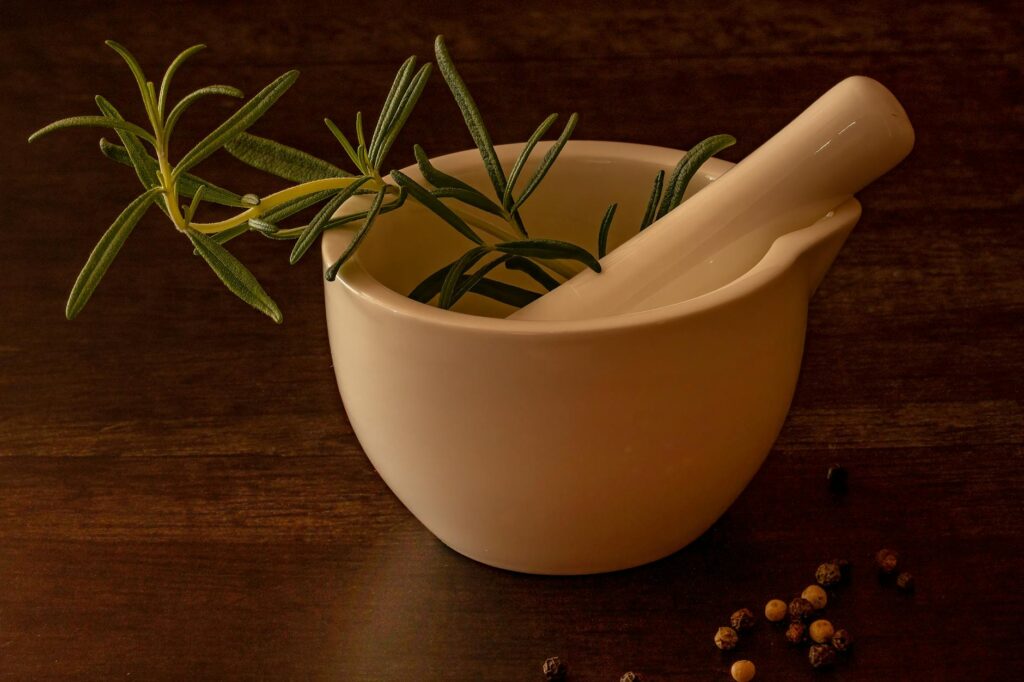
Top Rosemary Producing Regions
Introduction
Rosemary (Rosmarinus officinalis) is an aromatic herb that has captivated culinary enthusiasts and herbalists alike for centuries. Known for its distinct fragrance and robust flavor, rosemary is a staple in Mediterranean cuisine and has gained popularity worldwide. This article delves into the primary regions that cultivate rosemary, exploring their unique characteristics, historical significance, and contributions to the global market.
What Is Regions?
In the context of agricultural products like rosemary, “regions” refers to geographic areas known for specific cultivation practices, climates, and soil types that influence the growth and quality of the herb. Rosemary thrives in areas characterized by mild winters and warm, dry summers, making certain parts of the world ideal for its cultivation. Understanding these regions provides insights into the herb’s flavor profiles, availability, and market dynamics.
History and Origins
Rosemary is native to the Mediterranean region, where it has been used for culinary, medicinal, and ornamental purposes for thousands of years. Historical texts suggest that rosemary was cherished by ancient Greeks and Romans, who believed it symbolized remembrance and fidelity. The herb was often included in religious ceremonies and was thought to enhance memory and concentration.
The plant itself is a woody perennial, capable of growing up to five feet tall and producing small, pale-blue flowers. Over time, rosemary spread to various parts of the world, including North America and Australia, where it was cultivated both for personal use and commercial purposes. Today, rosemary is grown in many countries, each contributing distinct flavors and characteristics to the herb.
Production and Processing
Major Producing Regions
1. Mediterranean Basin
- The Mediterranean region remains the heartland of rosemary production. Countries like Italy, Spain, and Greece are prominent producers. The warm, dry climate and nutrient-rich soil provide optimal growing conditions, resulting in robust flavors and high essential oil content.
- In the U.S., California is the leading producer of rosemary. The state’s Mediterranean-like climate, particularly in areas such as San Diego and Santa Barbara, creates ideal conditions for rosemary cultivation. Farmers often use sustainable practices, including organic farming methods, to enhance the quality of their crops.
- Australia has emerged as a significant player in the rosemary market. The herb is cultivated in various regions, including New South Wales and Queensland. Australian rosemary often features a more intense flavor profile, owing to the unique soil and climate conditions.
- South Africa’s diverse climate allows for rosemary cultivation in several areas, notably in the Western Cape. The country has gained recognition for its organic farming practices, producing high-quality rosemary that meets international standards.
- Drying: Fresh rosemary is often dried to extend shelf life. This process involves air drying or using dehydrators, which helps retain the essential oils that contribute to its flavor.
- Essential Oil Extraction: Rosemary essential oil is extracted through steam distillation, capturing the volatile compounds that give the herb its distinctive scent and flavor. This oil is widely used in the food industry as well as in cosmetics and fragrances.
- Aroma and Flavor: High-quality rosemary exhibits a strong, fragrant aroma and a balanced flavor profile. The essential oil content is a crucial indicator of quality, with premium rosemary containing higher concentrations.
- Color and Appearance: Fresh rosemary should have vibrant green leaves. Dried rosemary should maintain a rich color without signs of browning or excessive dust.
- Sustainability Practices: Increasingly, consumers are looking for sustainably grown rosemary. Certifications such as organic or Fair Trade can indicate responsible farming practices.
- Flavor Enhancer: Rosemary is commonly used to season meats, particularly lamb, chicken, and fish. Its robust flavor complements roasted vegetables and potatoes.
- Infusions: The herb is often infused into oils (e.g., rosemary oil) and vinegars, adding depth to dressings and marinades.
- Herbal Teas: Rosemary can be steeped to create aromatic herbal teas, offering a refreshing alternative to traditional beverages.
- Aromatherapy: Due to its invigorating scent, rosemary essential oil is frequently used in aromatherapy practices to promote mental clarity and relaxation.
- Cosmetics: The herb’s antibacterial properties make it a popular ingredient in skincare products, hair care items, and natural deodorants.
- Fresh Rosemary: Store fresh rosemary in the refrigerator, wrapped in a damp paper towel and placed in a plastic bag. It can last up to two weeks when stored properly.
- Dried Rosemary: Dried rosemary should be kept in an airtight container, away from light and moisture. When stored correctly, it can last for up to a year without significant loss of flavor.
2. United States
3. Australia
4. South Africa
Processing Techniques
Once harvested, rosemary undergoes various processing techniques to preserve its flavor and aroma. Common methods include:
Quality and Grading
The quality of rosemary can significantly vary based on its origin, cultivation practices, and processing methods. When assessing rosemary, several factors come into play:
Buying Considerations
When purchasing rosemary, whether fresh or dried, several considerations can help ensure you select the best product:
1. Freshness: If buying fresh rosemary, look for firm, vibrant leaves free from wilting or browning. The aroma should be strong and pleasant.
2. Source: Know the origin of the rosemary. Some regions produce herbs with distinct flavor profiles due to their unique growing conditions.
3. Packaging: For dried rosemary, look for packaging that protects the herb from light and moisture. Airtight containers can help preserve its flavor and aroma.
4. Certification: Consider looking for organic or sustainably sourced rosemary, which can often guarantee better quality and environmental responsibility.
Uses and Applications
Rosemary is incredibly versatile and finds its place in various culinary and non-culinary applications:
Culinary Uses
Non-Culinary Uses
Storage and Shelf Life
Proper storage is crucial for maintaining rosemary’s flavor and freshness:
Common Misconceptions
1. Rosemary is Only for Cooking: While rosemary is renowned for its culinary uses, its applications extend to aromatherapy and cosmetics, showcasing its versatility.
2. All Rosemary is the Same: Variations in flavor, aroma, and quality exist based on the region of cultivation. Different growing conditions impart unique characteristics to the herb.
3. Fresh Rosemary is Always Better than Dried: While fresh rosemary has a vibrant flavor, dried rosemary can be just as potent if harvested and processed correctly. Its concentrated flavor can enhance dishes in various ways.
Frequently Asked Questions
1. How can I tell if rosemary is fresh?
Fresh rosemary should have vibrant green leaves, a strong aroma, and no signs of wilting or browning.
2. What dishes pair well with rosemary?
Rosemary is ideal for seasoning meats, roasted vegetables, and potatoes. It also works well in marinades and herb-infused oils.
3. Can I grow rosemary indoors?
Yes, rosemary can be grown indoors as long as it receives sufficient sunlight (6-8 hours daily) and is planted in well-draining soil.
4. Is there a difference between cooking rosemary and ornamental rosemary?
While both types belong to the same species, culinary rosemary is typically more fragrant and flavorful, while ornamental varieties may prioritize aesthetics over taste.
5. What is the best way to dry rosemary?
To dry rosemary, hang the stems upside down in a dark, dry, and well-ventilated area or use a dehydrator, ensuring the leaves retain their essential oils.
6. How long does rosemary essential oil last?
When stored in a cool, dark place in an airtight container, rosemary essential oil can last for 1-3 years, depending on the quality and processing method.
In conclusion, rosemary is not merely an herb; it is a testament to the rich agricultural traditions of its producing regions. From the sun-drenched hills of the Mediterranean to the innovative farms of California and Australia, each area contributes a unique perspective to this beloved herb. Understanding these regions fosters a deeper appreciation for rosemary and its myriad applications in our kitchens and beyond.