
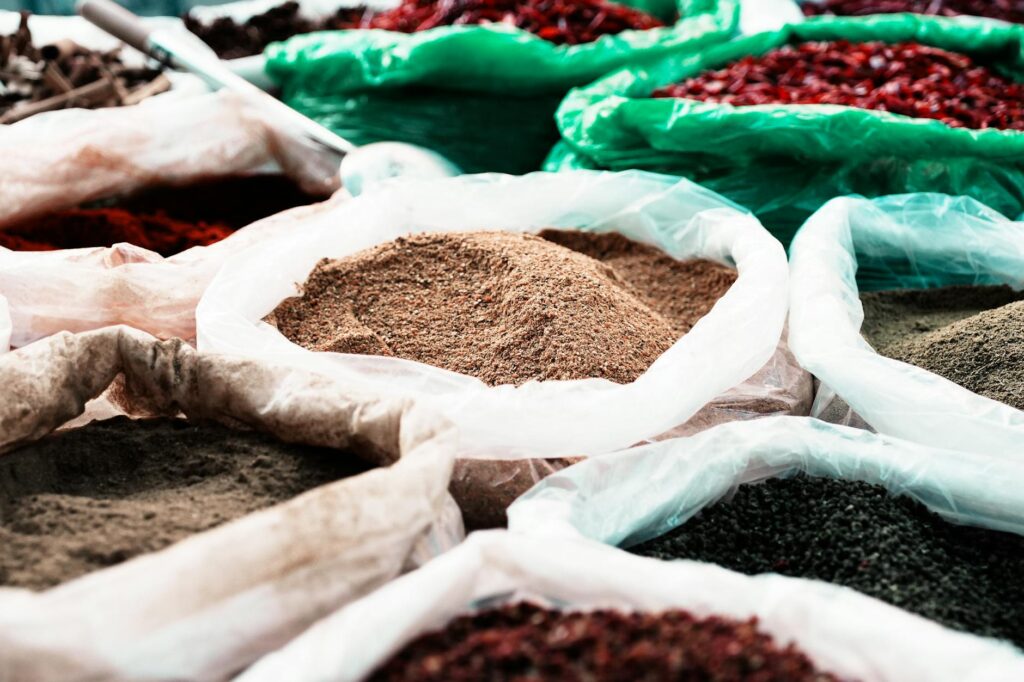
Top Salt Producing Regions
Introduction
Salt, often referred to as the “white gold,” is far more than just a common seasoning; it plays a crucial role in food preservation, industrial processes, and even cultural rituals. The production of salt is a significant global industry, influenced by geography, climate, and local traditions. This article delves into the leading salt-producing regions worldwide, exploring their unique characteristics, historical significance, production methods, and the various applications of salt.
What Is Regions?
In the context of salt production, “regions” refers to specific geographical areas where salt is harvested in substantial quantities. These regions can vary widely in terms of climate, geological composition, and production methods. From the expansive salt flats of South America to the artisanal salt pans of Europe, each region offers distinct qualities of salt shaped by its environment and human practices.
History and Origins
The history of salt production is as ancient as civilization itself. Salt has been harvested since prehistoric times, with evidence of its use found in archaeological sites across the globe. The earliest known saltworks date back to around 6000 B.C. in China, where salt was extracted from saltwater lakes.
In Europe, the production of salt has deep roots, notably in places like the Mediterranean and the North Sea. The Romans established trade routes for salt, recognizing its value not only as a seasoning but also as a preservative for meats and fish. In Asia, countries like India and Japan developed their unique methods of salt production, contributing to the rich tapestry of salt history.
Today, salt is produced in various forms, including sea salt, rock salt, and evaporated salt, each linked to specific regions that have mastered these techniques over centuries.
Production and Processing
Salt production methods vary significantly by region, with two primary methods dominating the industry: solar evaporation and mining.
Solar Evaporation
This method is prevalent in coastal regions where seawater is abundant. Seawater is channeled into shallow ponds, where it is left to evaporate under the sun. The process can take several weeks to months, depending on climate conditions. Notable regions for solar evaporation include:
- The Mediterranean: Countries like Spain and Italy utilize this method, producing high-quality sea salt often characterized by its mineral content.
- The United States: The Salinas Valley in California is known for its sea salt production, benefiting from the region’s sunny climate.
- Poland: The Wieliczka Salt Mine, a UNESCO World Heritage site, showcases centuries of mining tradition and produces high-quality table salt.
- Germany: The salt mines in Bavaria are among the largest in the world, leveraging sophisticated mining techniques to extract vast quantities of salt.
- Table Salt: Typically refined to remove impurities and often contains additives like iodine.
- Sea Salt: Generally less processed, retaining trace minerals that can enhance flavor and color.
- Fleur de Sel: A premium sea salt harvested from the surface of salt pans, prized for its delicate flavor and texture.
- Source: Knowing the origin of the salt can provide insights into its flavor and mineral content.
- Type: Choose between table salt, sea salt, rock salt, or specialty salts based on culinary needs.
- Additives: Be aware of any additives, such as anti-caking agents or iodine, which may affect flavor and health benefits.
- Packaging: Opt for salt that is packaged to maintain freshness and prevent moisture absorption.
- Table Salt: Commonly used for everyday cooking and seasoning.
- Kosher Salt: Preferred by chefs for its coarse texture, making it ideal for seasoning meat and vegetables.
- Sea Salt: Often used as a finishing salt due to its unique flavor and texture.
- Chemical Production: Used in the manufacture of chlorine and caustic soda.
- De-icing: Road salt is essential for winter road maintenance.
- Water Softening: Salt is used in water treatment systems to reduce hardness.
- Containers: Store salt in airtight containers to keep moisture out and preserve flavor.
- Environment: Keep salt in a cool, dry place to avoid exposure to humidity.
- Shelf Life: Salt has an indefinite shelf life if stored correctly, but flavored salts may have a shorter lifespan due to the perishable nature of added ingredients.
- All Salt Is the Same: In reality, different salts possess unique flavors, textures, and mineral contents based on their source and processing methods.
- Sea Salt Is Healthier Than Table Salt: While sea salt may contain trace minerals, both sea and table salts primarily consist of sodium chloride and should be consumed in moderation.
- Salt Is Only for Cooking: Salt has numerous applications beyond the culinary realm, including industrial uses and even therapeutic benefits in certain contexts.
Mining
Rock salt, or halite, is mined from underground deposits formed through the evaporation of ancient seas. This method is typically used in regions with significant geological salt deposits, such as:
Quality and Grading
The quality of salt is influenced by its source and production method. Various grading systems exist to categorize salt based on purity, mineral content, and processing.
Understanding these grades is crucial for culinary professionals and consumers alike, as the choice of salt can significantly impact flavor profiles in dishes.
Buying Considerations
When purchasing salt, several factors should be considered to ensure quality and suitability for specific uses:
Uses and Applications
Salt is incredibly versatile, with applications that extend beyond culinary uses.
Culinary Uses
In the kitchen, salt is essential for seasoning, enhancing flavors, and preserving foods. Different types of salt can be used for various culinary applications:
Industrial Applications
Salt is also a critical component in various industrial processes, including:
Storage and Shelf Life
Proper storage of salt is essential to maintain its quality and prevent clumping.
Common Misconceptions
Despite its ubiquity, several misconceptions about salt persist:
Frequently Asked Questions
1. What is the difference between sea salt and table salt?
Sea salt is harvested from evaporated seawater and retains trace minerals, while table salt is mined from underground salt deposits and often refined to remove impurities. Table salt typically contains additives to prevent clumping.
2. How is Himalayan pink salt different from regular salt?
Himalayan pink salt is mined from ancient sea beds in the Himalayas and contains a variety of minerals that give it its distinctive color and flavor. It is less processed than table salt and is often considered more natural.
3. Can salt expire?
Salt does not expire in the traditional sense, as it is a stable mineral. However, flavored salts may lose potency or flavor over time and should be used within a couple of years for best results.
4. Is there a difference in taste between different types of salt?
Yes, different salts can have unique flavors due to their mineral content and processing methods. For instance, sea salt often has a more complex flavor profile compared to the more neutral taste of table salt.
5. How should I store my salt?
Store salt in an airtight container in a cool, dry place to maintain its quality and prevent moisture exposure.
6. What are the environmental impacts of salt mining?
Salt mining can have environmental impacts, including habitat disruption and water pollution. Sustainable practices are essential to minimize these effects and ensure responsible salt production.
In conclusion, understanding the various regions and methods of salt production enhances our appreciation for this essential ingredient. By recognizing the unique characteristics of salt from different parts of the world, we can make informed choices that elevate our culinary experiences and respect the heritage behind this timeless mineral.