
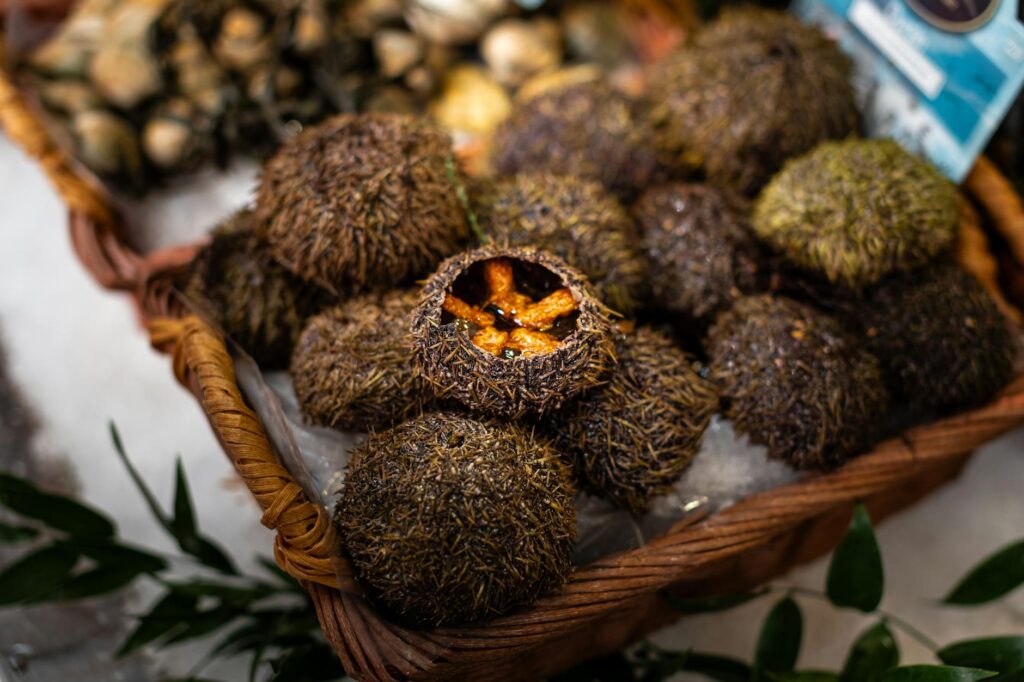
Top Sea Urchin Producing Regions
Introduction
Sea urchin, a delicacy revered in culinary circles for its unique flavor and texture, has garnered significant attention in recent years. This marine invertebrate is not only a staple in various cuisines, particularly in Japan, but also a sought-after ingredient in gourmet dishes worldwide. Understanding the regions that produce sea urchin can offer insights into its quality, availability, and culinary applications. This article delves into the top sea urchin producing regions, exploring their historical significance, production methods, quality standards, and more.
What Is Regions?
In the context of sea urchin production, “regions” refer to the geographical areas where these marine creatures are harvested. The characteristics of the sea urchins can vary significantly based on the region due to factors such as water temperature, salinity, and local ecosystems. These elements affect not only the growth of the sea urchins but also their flavor profile and nutritional content. Key producing regions include parts of the Pacific and Atlantic Oceans, with notable contributions from countries such as Japan, the United States, Canada, and several others.
History and Origins
The history of sea urchin consumption can be traced back thousands of years. Archaeological evidence suggests that ancient civilizations, particularly in Asia and the Americas, recognized the culinary potential of sea urchins. In Japan, sea urchin, or “uni,” has been cherished since the Edo period (1603-1868) and continues to be a central feature in sushi and sashimi. The rise in global demand for sea urchin began in the latter half of the 20th century, particularly as it gained popularity in Western cuisines.
Regions like California and British Columbia began cultivating their sea urchin fisheries, leading to advancements in sustainable harvesting practices. Today, these regions have established themselves as leaders in the global sea urchin market, balancing traditional methods with modern technology to ensure quality and sustainability.
Production and Processing
The production of sea urchin is a complex process that involves careful harvesting, processing, and distribution.
Harvesting Techniques
In regions like Japan, divers often hand-harvest sea urchins from rocky ocean floors, a practice that has remained largely unchanged for centuries. In contrast, in the United States and Canada, commercial fishing operations may utilize both divers and mechanical harvesting methods.
Processing
After harvesting, sea urchins undergo a meticulous processing phase. This typically includes cleaning, shucking, and separating the edible roe (gonads) from the shell. In high-quality operations, the roe is often processed within hours of being harvested to preserve freshness.
Key Producing Regions
- Japan: The leading producer of high-quality sea urchin, particularly from regions like Hokkaido. The unique cold waters contribute to the superior flavor and texture of the uni.
- United States: Particularly California and Alaska, where a significant portion of the sea urchin is harvested. The California sea urchin fishery is known for its sustainable practices and high-quality product.
- Canada: British Columbia is a prominent player, known for its robust management and harvesting strategies that ensure sustainability.
- Chile: Emerging as a notable source, Chilean sea urchins are gaining attention in international markets, particularly in Asia.
- Sushi and Sashimi: Perhaps the most recognized use, where fresh uni is served atop rice or as part of a sashimi platter.
- Pasta Dishes: Sea urchin can add a luxurious touch to pasta dishes, often used in sauces that highlight its creamy texture.
- Seafood Platters: It is often featured on upscale seafood platters, showcasing its vibrant color and unique flavor.
- Garnishes: Chefs may use sea urchin as a garnish in soups or risottos, elevating the dish’s overall presentation and taste.
- Refrigeration: Fresh sea urchin should be stored in the coldest part of the refrigerator and ideally consumed within 24 to 48 hours of harvesting.
- Freezing: If not consumed immediately, sea urchin can be frozen. However, freezing may alter its texture, so it’s best to use it in cooked applications post-freezing.
- Sustainability: Many believe that sea urchin harvesting is detrimental to marine ecosystems. However, when managed responsibly, sea urchin fisheries can contribute positively to marine health by controlling kelp forest growth.
- Flavor: Some may assume that sea urchin has a strong fishy taste. In reality, high-quality uni should have a delicate, briny flavor that many find appealing.
- Cooking Requirement: A common misconception is that sea urchin must be cooked. In fact, it is often enjoyed raw, making it a unique ingredient in sushi and sashimi.
Quality and Grading
Quality control in sea urchin production is essential, given its premium status in culinary applications. Various factors contribute to the grading of sea urchin:
Color and Texture
The color of the roe plays a significant role in determining quality. High-quality uni typically ranges from bright yellow to deep orange. The texture should be creamy and smooth, without any graininess.
Freshness
Freshness is paramount. Sea urchin is highly perishable; thus, it should ideally be consumed within hours of processing. Sustainable practices often include immediate refrigeration or freezing to maintain quality.
Grading Systems
Different regions may have their grading systems. For instance, in Japan, sea urchins are often classified into categories such as “A,” “B,” and “C,” based on their appearance, flavor, and texture. The highest grades are reserved for the most visually appealing and flavorful specimens.
Buying Considerations
When purchasing sea urchin, several factors should be considered to ensure quality:
Source
Knowing the source of the sea urchin can provide insights into its freshness and sustainability. Look for products labeled as sustainably harvested, especially from regions known for responsible fishing practices.
Packaging
Fresh sea urchin is typically sold in refrigerated containers or vacuum-sealed packs. Ensure that the packaging is intact and properly labeled with harvest dates.
Seasonality
Sea urchin harvesting is often seasonal, with peak seasons varying by region. For example, in California, the season runs from October to March, while in Japan, it is often from late spring to early summer.
Uses and Applications
Sea urchin is a versatile ingredient used in various culinary applications. Its unique flavor profile—often described as briny, creamy, and slightly sweet—makes it suitable for:
Storage and Shelf Life
The shelf life of sea urchin is relatively short. Once harvested, it should be consumed as soon as possible for optimal flavor and safety. Here are some storage tips:
Common Misconceptions
While sea urchin is a celebrated delicacy, several misconceptions persist:
Frequently Asked Questions
1. What is the best way to eat sea urchin?
Sea urchin is best enjoyed raw, typically as sushi or sashimi. It can also be used in pasta dishes or as a garnish for various seafood dishes.
2. How can I tell if sea urchin is fresh?
Fresh sea urchin should have a bright color, firm texture, and a clean ocean smell. Avoid any that appear dull or have an off-putting odor.
3. What are the nutritional benefits of sea urchin?
Sea urchin is rich in protein and contains essential fatty acids, vitamins, and minerals. It is also low in calories, making it a popular choice for health-conscious diners.
4. Are there different types of sea urchin?
Yes, there are several species of sea urchin, with the most commonly consumed being the purple sea urchin (Strongylocentrotus purpuratus) and the black sea urchin (Strongylocentrotus droebachiensis).
5. Can I buy sea urchin online?
Yes, sea urchin can be purchased from various online seafood retailers. Ensure that the supplier adheres to sustainable fishing practices and provides fresh products.
6. What is the environmental impact of sea urchin harvesting?
When done sustainably, sea urchin harvesting can have a positive impact on marine ecosystems. Responsible practices can help manage kelp populations and promote biodiversity.
Conclusion
Understanding the regions that produce sea urchin not only enhances our appreciation for this delicacy but also informs responsible consumption practices. As culinary interest in sea urchin continues to grow, it is essential to support sustainable harvesting methods that ensure both quality and environmental health. From Japan to the United States and beyond, each producing region offers its unique characteristics, contributing to the rich tapestry of flavors that make sea urchin a cherished ingredient in cuisines across the globe.