
Top Tamarillo Producing Regions
Introduction
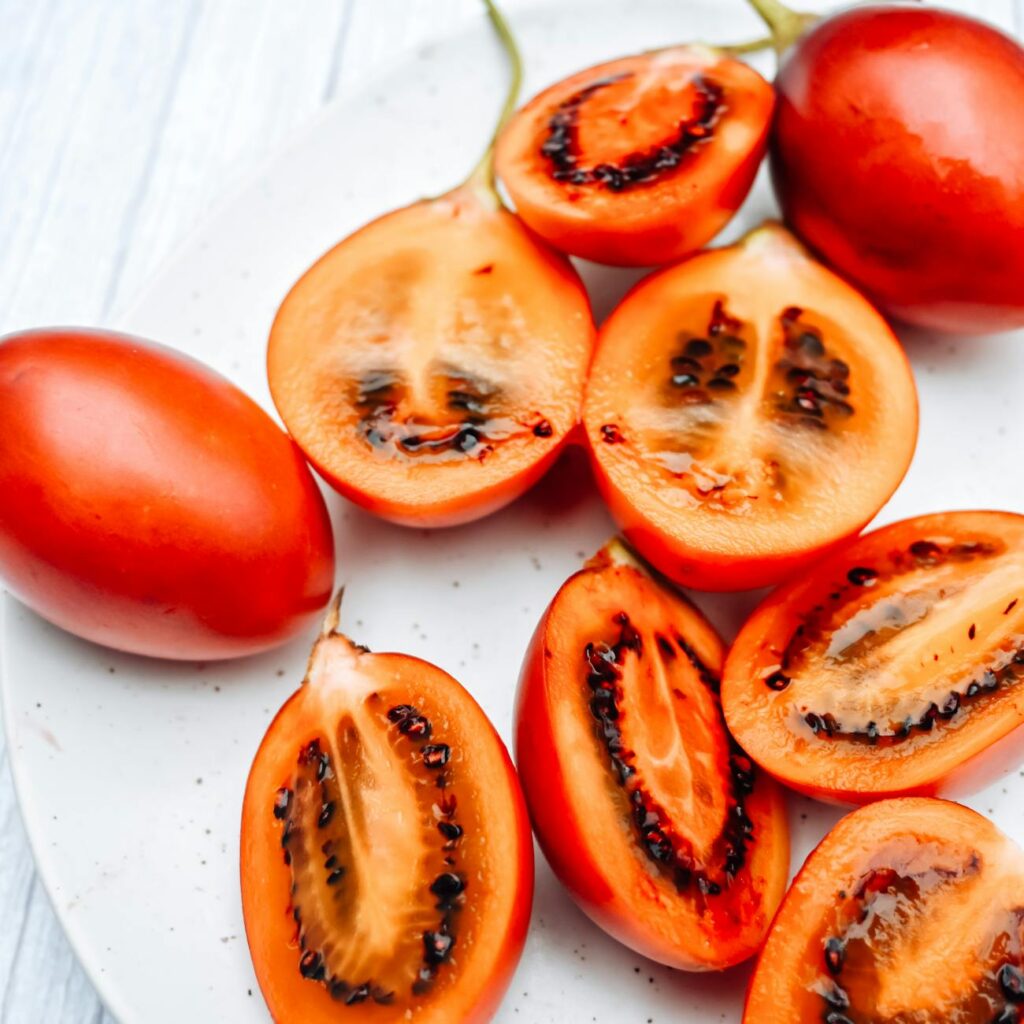
Tamarillo, often referred to as the “tree tomato,” is a nutrient-rich fruit that belongs to the Solanaceae family, which also includes eggplants and tomatoes. With its vibrant colors, ranging from yellow to deep red, and its unique tangy flavor, tamarillo has garnered attention not only for its culinary versatility but also for its nutritional benefits. While this fruit is enjoyed in various parts of the world, specific regions have emerged as leading producers, each contributing unique characteristics to the fruit’s flavor and quality.
What Is Regions?
Regions, in the context of food ingredients such as tamarillo, refer to geographical areas where specific crops are cultivated under particular climatic and environmental conditions. These regions often influence the quality, flavor, and agricultural practices surrounding the cultivation of the ingredient. The concept of regions encompasses not just the geographical location but also the cultural, historical, and economic factors that contribute to the production of a particular food item.
History and Origins
Tamarillo is native to the Andean regions of South America, particularly in areas that extend across modern-day Peru, Ecuador, Colombia, and northern Chile. Indigenous cultures have cultivated this fruit for centuries, using it not only as a food source but also in traditional medicines and rituals. The cultivation of tamarillo spread to other parts of the world, including New Zealand, Australia, and parts of Africa and Asia, in the 19th century, largely due to European exploration and colonization.
Today, tamarillo is grown in diverse climates, but its origins in the high-altitude Andean valleys remain vital to its identity. The fruit thrives in areas with moderate temperatures, a well-defined wet season, and rich volcanic soils, which contribute to its distinctive taste and quality.
Production and Processing
Tamarillo cultivation has gained momentum in various countries, leading to significant production on a commercial scale. The leading tamarillo-producing regions include:
1. Ecuador
Ecuador is one of the largest producers of tamarillo, benefiting from its diverse climate and rich soil. The provinces of Pichincha, Cotopaxi, and Azuay are particularly known for their high-quality tamarillo crops. The region’s volcanic soil and ideal climate conditions allow for the production of sweet and tangy varieties. Farmers often utilize traditional organic farming methods, which enhance the flavor profile of the fruit.
2. New Zealand
New Zealand has developed a reputation for producing premium tamarillos. The North Island, particularly in the regions of Bay of Plenty and Auckland, is known for its vibrant red and yellow varieties. New Zealand’s temperate climate, coupled with modern agricultural practices, has enabled farmers to produce tamarillo year-round. The fruit is often harvested when fully ripe, ensuring optimal flavor and texture.
3. Colombia
Colombia’s diverse climate and rich agricultural heritage contribute to the country’s growing tamarillo industry. Regions such as Antioquia and Boyacá are prominent for tamarillo cultivation. The Colombian tamarillo is known for its vibrant colors and unique flavors, often attributed to the rich biodiversity of the region.
4. Peru
In Peru, tamarillo is primarily grown in the Andean regions, where the altitude and climate are conducive to its growth. The fruit is harvested during the dry season, which enhances its sweetness. Peru is known for both its red and yellow varieties, with local farmers employing sustainable agricultural practices to maintain soil health and fruit quality.
5. Australia
Australia is increasingly becoming a notable producer of tamarillo, particularly in Queensland and New South Wales. The country’s favorable climate allows for extended growing seasons, and Australian farmers have adopted innovative agricultural techniques to enhance fruit quality. Australian tamarillos are often marketed for their unique flavors and are gaining popularity in local and international markets.
Quality and Grading
The quality of tamarillo is determined by several factors, including size, color, firmness, and overall appearance. Producers often adhere to specific grading standards to ensure that only the best fruits reach consumers.
Grading Standards
- Grade A: These tamarillos are of premium quality, exhibiting vibrant color, firmness, and no visible blemishes. They are typically sold fresh in markets and specialty stores.
- Grade B: While still edible, grade B tamarillos may have minor imperfections in appearance. They are often used for processing, such as in sauces or jams.
- Grade C: These fruits may show signs of over-ripeness or damage and are usually not sold fresh but can be utilized in cooked dishes or processed products.
- Fresh Consumption: Tamarillo can be eaten raw, sliced, or added to fruit salads for a unique taste.
- Sauces and Chutneys: The fruit’s tanginess makes it an excellent ingredient for sauces, chutneys, and salsas.
- Desserts: Tamarillo can be incorporated into desserts like tarts, sorbets, and jams, where its natural sweetness shines.
- Beverages: The fruit can be blended into smoothies or juices, providing a refreshing and nutritious drink option.
- Room Temperature: Unripe tamarillos should be stored at room temperature until they ripen. Once ripe, they can be refrigerated to prolong their shelf life.
- Refrigeration: Ripe tamarillos can be stored in the refrigerator for up to a week. However, it is recommended to consume them within a few days for optimal flavor.
- Avoid Ethylene Gas: Keep tamarillos away from ethylene-producing fruits like apples and bananas, as this can accelerate ripening and spoilage.
Producers often conduct sensory evaluations to assess flavor, aroma, and texture, contributing to the overall grading of tamarillo.
Buying Considerations
When purchasing tamarillo, consumers should consider several factors to ensure they select high-quality fruit:
1. Color and Firmness: Look for tamarillos with vibrant color and a firm texture. Soft spots may indicate overripeness.
2. Skin Quality: Avoid fruits with wrinkles, blemishes, or dark spots, as these may affect the taste and quality.
3. Ripeness: Depending on the intended use, choose ripe tamarillos for immediate consumption or slightly under-ripe ones for later use. Ripe fruits typically yield to gentle pressure.
4. Source: Consider purchasing from local farmers’ markets or reputable suppliers who can provide information about the origin and farming practices of their tamarillos.
Uses and Applications
Tamarillo is a versatile fruit that can be utilized in various culinary applications. Its unique flavor profile lends itself to both sweet and savory dishes.
Culinary Applications
Beyond culinary uses, tamarillo has also found its place in the world of gastronomy, where chefs appreciate its intriguing flavor for innovative dishes.
Storage and Shelf Life
Proper storage is essential to maintain the freshness and quality of tamarillo.
Storage Tips
Shelf Life
When stored properly, tamarillos can last anywhere from a few days to a week, depending on their ripeness at the time of purchase. Regularly check for signs of overripeness or spoilage, such as excessive softness or mold.
Common Misconceptions
Despite its popularity, several misconceptions about tamarillo persist:
1. Tamarillo is a Tomato: While tamarillo is related to tomatoes, it is a distinct fruit with its own unique flavor and properties.
2. Only Red Varieties Exist: Tamarillos come in various colors, including yellow, orange, and purple, each offering different flavor profiles.
3. Tamarillo is Only for Cooking: Many people overlook the potential of tamarillo as a fresh fruit. It can be enjoyed raw and adds a unique touch to salads and desserts.
Frequently Asked Questions
1. What does tamarillo taste like?
Tamarillo has a unique flavor that can be described as a blend of tomato and passion fruit, with varying sweetness levels depending on the ripeness and variety.
2. Is tamarillo high in nutrients?
Yes, tamarillo is rich in vitamins A, C, and E, as well as antioxidants, making it a healthy addition to any diet.
3. Can tamarillo be grown at home?
Yes, tamarillo can be cultivated in home gardens, provided the climate is suitable. It requires well-drained soil and a sunny location.
4. How do you know when a tamarillo is ripe?
A ripe tamarillo will yield slightly to pressure and have a vibrant color. Avoid fruits that are too soft or have dark spots.
5. Can tamarillo be frozen?
Yes, tamarillo can be frozen after being peeled and sliced. However, the texture may change once thawed, making it best for cooked applications.
6. Are there any health benefits associated with tamarillo?
Tamarillo is known for its antioxidant properties and is low in calories, making it a healthy fruit option. However, specific health claims should be approached with caution.
In conclusion, tamarillo is a fascinating fruit with a rich history and diverse applications. Understanding its production regions, quality grading, and uses can enhance appreciation for this unique ingredient. Whether enjoyed fresh, cooked, or processed, tamarillo continues to captivate the culinary world with its distinct flavor and versatility.