
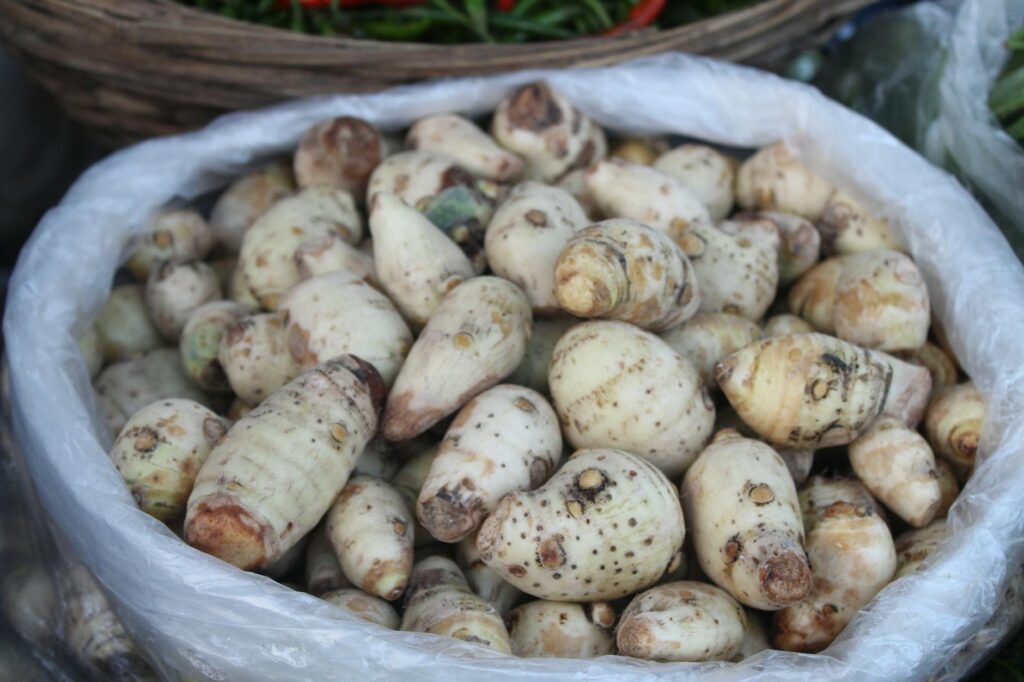
Top Taro Producing Regions
Introduction
Taro (Colocasia esculenta) is a starchy root vegetable revered for its culinary versatility and nutritional benefits. It is a staple in many cultures, particularly in tropical and subtropical regions. Taro is not only valued for its unique flavor and texture but also plays a significant role in traditional dishes, cultural practices, and agricultural economies. This article explores the top producing regions of taro, highlighting their unique characteristics, cultural significance, and the processes involved in its production.
What Is Regions?
In the context of agricultural products, “regions” refers to geographical areas known for specific climatic conditions, soil types, and agricultural practices that contribute to the cultivation of particular crops. Each region may possess unique attributes that affect the growth and quality of taro, including temperature, rainfall, and local farming techniques. Understanding these regions is essential for appreciating the diversity and significance of taro in global cuisine.
History and Origins
Taro is believed to have originated in Southeast Asia or the Indian subcontinent over 2,000 years ago. It has since spread to various parts of the world, including Africa, the Pacific Islands, and the Caribbean, largely due to its adaptability to different climates and soil conditions. In Polynesia, it holds a sacred status and is often associated with traditional agricultural practices. Taro cultivation is deeply rooted in the cultures of many communities, where it features prominently in religious ceremonies and local festivals.
The ancient Greeks and Romans also recognized taro, referring to it as “elephant ear” due to its large, ear-shaped leaves. Today, taro remains a vital crop in regions such as Hawaii, the Philippines, and parts of West Africa. Each area has developed its methods of cultivation and preparation, making taro a culturally significant ingredient across the globe.
Production and Processing
Leading Taro-Producing Regions
1. Asia
- China: As the largest producer of taro, China cultivates it in several provinces, including Sichuan, Guangdong, and Hunan. The warm, humid climate and rich alluvial soils create ideal conditions for growth.
- Taiwan: Known for its high-quality taro, Taiwan specializes in a variety called “sweet taro” that is sweeter and more tender compared to others. The cultivation methods involve careful irrigation and pest management to ensure optimal yield.
- Philippines: In the Philippines, taro, or ” gabi,” is an essential crop, particularly in the Bicol and Cordillera regions. Its production is often intercropped with rice and other vegetables, promoting biodiversity.
- Nigeria: Nigeria is one of the largest producers in Africa, where taro is mainly cultivated in the southeastern states. The crop is often integrated into traditional farming systems, providing food security for local communities.
- Ghana: In Ghana, taro is grown in both lowland and upland areas. The farmers employ traditional methods, but there is an increasing push towards modern agricultural practices to boost productivity.
- Hawaii: Taro has a historical significance in Hawaiian culture and is cultivated primarily in taro lo’i (wetland fields). The region is known for its traditional farming techniques and the production of poi, a staple food made from cooked taro.
- Soups and Stews: Taro can be incorporated into hearty soups and stews, providing a creamy texture and earthy flavor.
- Side Dishes: Steamed or boiled taro is often served as a side dish, particularly in Asian cuisine.
- Desserts: In many cultures, taro is used to create sweet dishes, including puddings, cakes, and ice creams. Its natural sweetness pairs well with coconut milk and other flavorings.
- Flour Production: Taro can be processed into flour, which is used to create various baked goods and snacks.
2. Africa
3. Oceania
Cultivation Techniques
Taro is typically grown in either wetland or dryland systems. Wetland taro thrives in flooded fields, which helps control weeds and pests. In contrast, dryland taro is planted in well-drained soil, requiring more attention to irrigation and care. The process of planting, tending, and harvesting taro varies significantly across regions, influenced by local practices and environmental conditions.
Quality and Grading
Quality assessment of taro involves evaluating several factors, including size, texture, and skin condition. High-quality taro should have a firm texture, free from blemishes, soft spots, or decay. Grading standards may differ by region, but generally, there are classifications for commercial and export quality.
In markets, taro is graded into different sizes, with larger tubers often fetching higher prices. Additionally, some regions export specialty varieties that command premium prices due to their unique flavors and textures. Understanding these quality indicators is crucial for buyers looking to procure the best products for culinary use.
Buying Considerations
When purchasing taro, several factors should be taken into account:
1. Freshness: Look for firm tubers with smooth skin. Avoid any that have soft spots or signs of decay.
2. Variety: Different regions may offer various types of taro. Familiarize yourself with local varieties to ensure you select the best for your intended use.
3. Source: Whenever possible, buy from reputable farmers’ markets or suppliers that prioritize sustainable and ethical farming practices.
4. Storage: Understanding the appropriate storage conditions can extend the shelf life of taro and maintain its quality.
Uses and Applications
Taro is a versatile ingredient used in various culinary applications. Its starchy texture makes it suitable for both savory and sweet dishes. Common uses include:
Storage and Shelf Life
Taro should be stored in a cool, dry place away from direct sunlight