
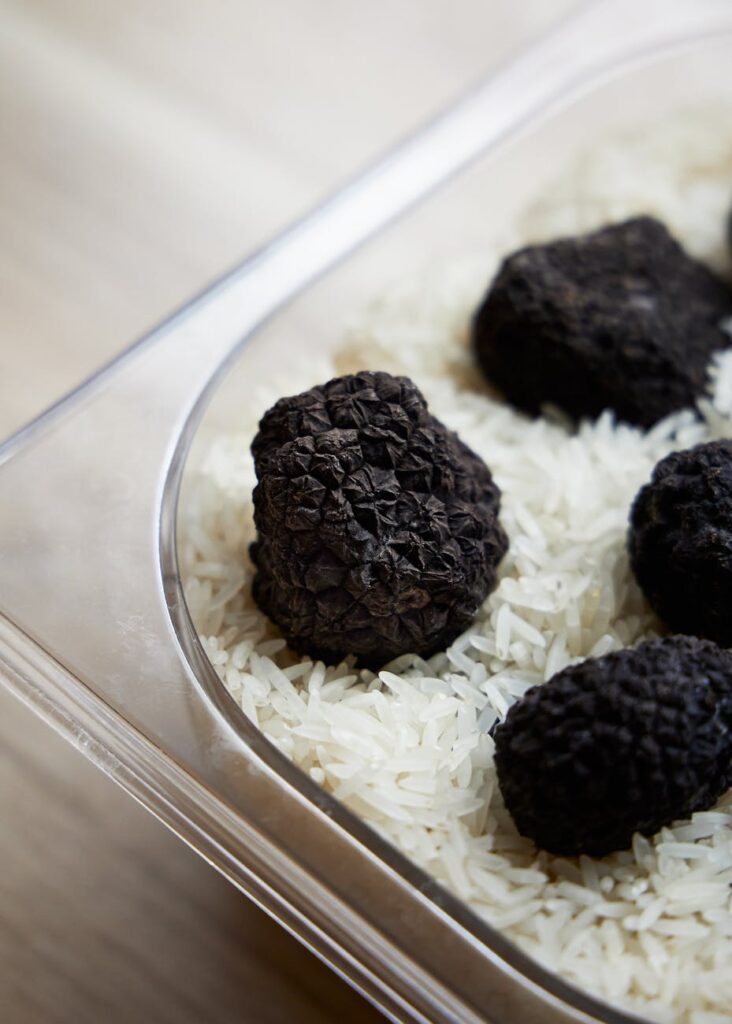
Truffles About Guide Part 6
Introduction
Truffles, often referred to as the “diamonds of the kitchen,” are a highly sought-after culinary delicacy that elevate dishes with their unique aroma and flavor. These underground fungi have captivated chefs and food enthusiasts alike for centuries, making them a valuable and intriguing ingredient in gourmet cuisine. This guide delves into the multifaceted world of truffles, exploring their history, production, quality, and much more.
What Is About?
In the context of truffles, “About” refers to a comprehensive understanding of this rare ingredient. It encompasses the biological classification, flavor profiles, and various types of truffles available in the culinary world.
Truffles belong to the genus Tuber, which includes several species that differ in taste, aroma, size, and color. The most notable varieties include the black truffle (Tuber melanosporum), white truffle (Tuber magnatum), summer truffle (Tuber aestivum), and the Chinese truffle (Tuber indicum). Each type possesses unique characteristics that contribute to its desirability and culinary application.
History and Origins
The history of truffles is as rich as their flavor. Truffles have been consumed since ancient times, with references dating back to the Sumerians and the ancient Egyptians, who believed they possessed aphrodisiac properties. The Greeks and Romans also valued truffles, associating them with luxury and indulgence. Pliny the Elder, a Roman author and naturalist, documented truffles in his writings, highlighting their esteemed status in Roman cuisine.
The cultivation of truffles began in the 19th century, particularly in France, when farmers started to experiment with inoculating oak and hazel trees with truffle spores. This led to the establishment of truffle orchards, significantly improving the reliability and yield of truffle production. Today, regions such as the Périgord in France, Piedmont in Italy, and parts of Spain are renowned for their truffle production, drawing gourmets and chefs from around the world.
Production and Processing
Truffles grow symbiotically with the roots of certain trees, primarily oaks, hazels, and pines. The growth process is complex, requiring specific conditions such as soil type, climate, and moisture levels. Truffles thrive in calcareous soils and prefer well-drained areas with a pH level between 7.5 and 8.3.
Harvesting truffles is a time-sensitive task typically conducted during the cooler months, from late autumn to early spring. Traditionally, trained dogs or pigs are used to locate truffles, as their keen sense of smell can detect the earthy aroma emitted by mature truffles. Once harvested, truffles are handled with care to avoid damage, as they are delicate and perishable.
Post-harvest processing involves cleaning the truffles gently to remove soil without damaging their exterior. They are then sorted based on size, quality, and appearance before being packaged for sale. Proper handling is crucial, as truffles are best enjoyed fresh due to their volatile aromatic compounds.
Quality and Grading
The quality of truffles is assessed based on several criteria, including aroma, flavor, size, and appearance. Truffles are typically graded into several categories:
1. Extra: The highest grade, featuring superior aroma, flavor, and appearance.
2. Class I: High-quality truffles with good characteristics but slight imperfections.
3. Class II: Acceptable quality truffles that may have significant blemishes or size limitations.
Aroma is perhaps the most critical factor in determining quality, as it profoundly influences the culinary experience. When selecting truffles, the fragrance should be earthy, musky, and intense. Visual inspection is also essential; truffles should have a firm texture and an unblemished surface.
Buying Considerations
Purchasing truffles requires careful consideration to ensure quality and authenticity. Here are essential factors to keep in mind while buying truffles:
1. Source: Purchase from reputable suppliers or specialty stores known for their expertise in truffles. Established truffle producers often provide information about the origin and quality of their products.
2. Freshness: Truffles are best consumed fresh. Look for truffles that feel firm and emit a strong aroma. Avoid those that appear shriveled or soft, as they are likely past their prime.
3. Seasonality: Be aware of the truffle season for different varieties. For example, black truffles are typically harvested from November to March, while white truffles are available from September to December.
4. Price: Truffles can be quite expensive due to their rarity and labor-intensive harvesting methods. Be cautious of unusually low prices, as they may indicate lower quality or counterfeit products.
5. Storage and Handling: Ask about the supplier’s storage practices to ensure that the truffles have been kept under optimal conditions before reaching you.
Uses and Applications
Truffles are celebrated for their ability to elevate a wide range of dishes. Their unique flavor profile allows them to enhance both simple and complex recipes. Common applications include:
- Pasta and Risotto: Shaving fresh truffles over pasta or risotto adds depth and umami flavors that are hard to replicate with other ingredients.
- Egg Dishes: Truffles complement egg dishes beautifully, with scrambled eggs or omelets benefiting from the addition of truffle shavings.
- Meat and Fish: Truffles can enhance the flavor of meats and fish, whether incorporated into marinades, sauces, or simply as a garnish.
- Cheese and Charcuterie: Truffles pair exceptionally well with artisanal cheeses and cured meats, providing a luxurious touch to any cheese board.
- Infusions: Truffle oil, made by infusing oil