
Truffles Buying Guide Part 6
Introduction
Truffles, often referred to as “the diamonds of the kitchen,” are a culinary treasure that has captivated chefs and food enthusiasts around the globe. Their unique aroma and flavor profile elevate dishes to new heights, making them a prized ingredient in gourmet cuisine. However, navigating the world of truffles can be complex due to their rarity, various types, and fluctuating prices. This guide aims to provide a comprehensive understanding of buying truffles, covering everything from their history to storage tips.
What Is Buying?
In the context of truffles, buying encompasses the entire process of acquiring these unique fungi, from understanding their market dynamics to selecting the right type for your culinary needs. It involves not only the transaction itself but also the knowledge and considerations that come with making an informed purchase. This guide aims to equip you with the necessary tools to navigate the truffle market effectively, ensuring that you make wise purchasing decisions.
History and Origins
The history of truffles dates back thousands of years, with ancient civilizations such as the Sumerians, Greeks, and Romans recognizing their exquisite flavor and culinary potential. They were often regarded as a symbol of luxury and indulgence. The ancient Greeks believed truffles were formed from the lightning strikes that hit the earth, while the Romans used them in various dishes and even as aphrodisiacs.
The most famous truffles come from specific regions, including France, Italy, and Spain. The French black truffle, or Tuber melanosporum, is particularly celebrated, while the Italian white truffle, Tuber magnatum, holds an esteemed place in gourmet kitchens. Modern truffle hunting often involves specially trained dogs or pigs that can detect the fungi’s distinctive aroma beneath the soil, a practice that has been refined over centuries.
Production and Processing
Truffles grow symbiotically with the roots of certain trees, such as oak, hazelnut, and beech. They thrive in specific soil conditions, requiring well-drained, calcareous soils with a specific pH level. The cultivation of truffles is labor-intensive and takes years before the first harvest can be expected, making them one of the most expensive culinary ingredients available.
Once harvested, truffles are carefully cleaned to remove soil and debris but are generally not washed with water, as this can affect their flavor and longevity. They are usually sold fresh, but various forms, such as oils, salts, and sauces, have emerged in the market, allowing consumers to enjoy truffle flavor in different applications.
Quality and Grading
The quality of truffles can significantly affect their flavor, aroma, and price. Several factors are considered when grading truffles:
- Size: Larger truffles are generally more sought after but can be rarer.
- Aroma: A strong, earthy aroma is a hallmark of high-quality truffles.
- Firmness: Fresh truffles should feel firm to the touch, indicating freshness.
- Appearance: Uneven surfaces and a rich color can indicate a mature truffle.
- Garnishing: Sliced fresh truffles can elevate the presentation and flavor of dishes such as risottos, pastas, and salads.
- Infusing: Truffle oils can be used to infuse flavor into sauces, dressings, and marinades.
- Flavoring: Truffle salts can enhance the taste of meats, vegetables, and even popcorn.
- Pairing: Truffles pair well with a variety of ingredients, including eggs, cheese, and fatty meats, due to their rich umami flavor profile.
- Refrigeration: Store truffles in the refrigerator, ideally in a paper towel to absorb excess moisture, and place them in an airtight container.
- Avoid Water: Do not wash truffles before storage, as moisture can lead to spoilage.
- Use Quickly: Aim to use fresh truffles within a week of purchase to enjoy their maximum flavor and aroma.
Truffles are often graded as A, B, or C, with A being the highest quality, typically reserved for premium culinary use. Understanding these grading systems can help buyers make informed choices.
Buying Considerations
When purchasing truffles, several considerations can enhance your buying experience:
1. Seasonality: Truffles have specific harvesting seasons. For instance, black truffles are typically harvested from November to March, while white truffles are available from September to December. Knowing the season can help you find the freshest truffles.
2. Source: Always buy from reputable suppliers or farmers who can provide information about the truffles’ origin. This ensures authenticity and quality.
3. Price: Truffle prices can fluctuate significantly based on availability, size, and type. It is crucial to be aware of current market rates to avoid overpaying.
4. Freshness: Fresh truffles have a limited shelf life, so check for harvesting dates and opt for truffles that have been recently harvested.
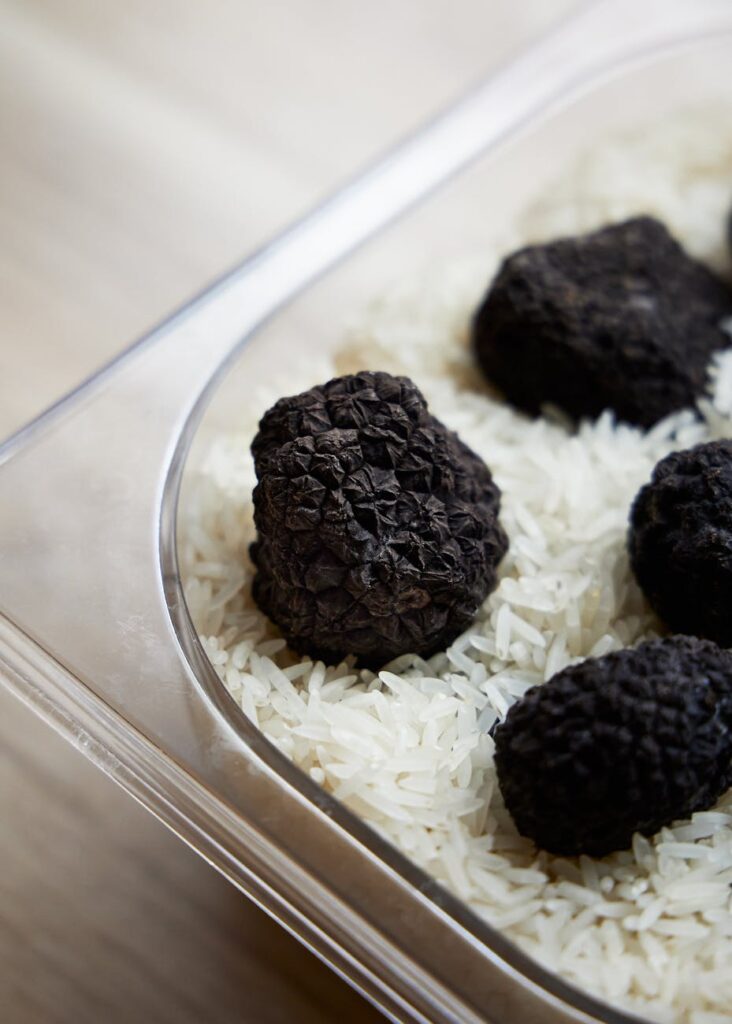
5. Storage and Handling: Proper storage is vital to maintaining the quality of truffles. They should be kept in a cool, dry place, preferably wrapped in a paper towel and stored in an airtight container in the refrigerator.
6. Alternatives: If fresh truffles are out of budget, consider truffle oils or salts as alternatives, which can still impart that distinctive truffle flavor to your dishes.
Uses and Applications
Truffles are a versatile ingredient, used in various culinary applications:
Understanding how to use truffles can help maximize their impact in your culinary endeavors.
Storage and Shelf Life
Fresh truffles have a relatively short shelf life, typically ranging from several days to a week, depending on their type and freshness at the time of purchase. For optimal storage:
For longer-term storage, consider freezing truffles, although this may alter their texture.