
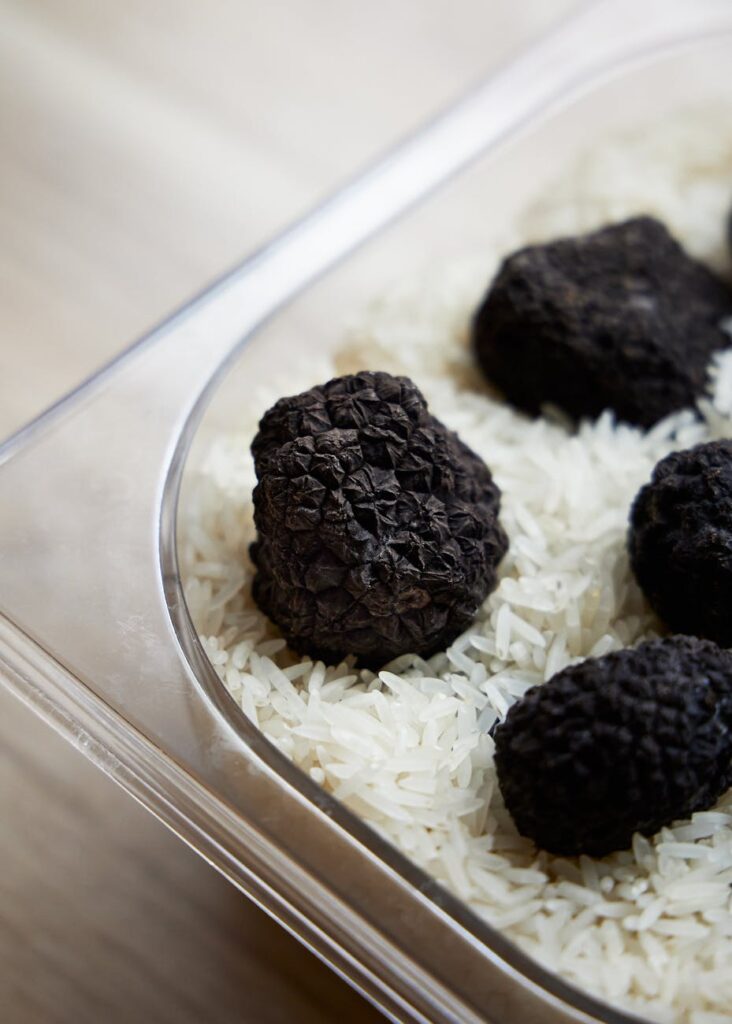
Truffles Growing Guide Part 6
Introduction
The allure of truffles has captivated culinary enthusiasts for centuries. Known as the “diamonds of the kitchen,” these subterranean fungi are not only prized for their unique flavor and aroma but also for their rarity and the intricate processes involved in their cultivation. This guide aims to delve into the nuances of growing truffles, exploring their history, production methods, quality grading, and more.
What Is Growing?
In the context of truffles, “growing” refers to the cultivation and nurturing of these fungi in a controlled environment, often in symbiosis with specific host trees. Truffles are mycorrhizal fungi, meaning they form a mutually beneficial relationship with the roots of certain trees, such as oak, hazelnut, and pine. This relationship is critical for their development, as the trees provide the necessary nutrients while the truffles enhance the trees’ absorption of water and minerals. The process of growing truffles is complex, requiring specific soil conditions, climate, and maintenance practices to ensure a successful yield.
History and Origins
Truffles have a rich history that dates back to ancient civilizations. They were first documented by the Sumerians in Mesopotamia around 3,500 years ago and later enjoyed popularity among the Romans, who believed truffles possessed aphrodisiac properties. The fascination with truffles continued through the Middle Ages, particularly in France, where their culinary value was recognized.
The modern cultivation of truffles began in the 18th century, with efforts concentrated in regions such as Périgord in France and Alba in Italy. The practice has evolved significantly over the years, with scientists and farmers working to refine cultivation techniques and expand truffle production to new geographical areas, including parts of the United States and Australia.
Production and Processing
Growing truffles is not a straightforward process and can take several years before the first harvest. The initial step involves selecting appropriate land with well-draining, alkaline soil, typically characterized by a pH level between 7.5 and 8.3. The soil should also be rich in calcium and low in organic matter.
Once the land has been prepared, truffle spores are introduced to the roots of host trees, commonly through inoculated seedlings. This inoculation process allows the truffles to develop in a symbiotic relationship with the tree roots.
The cultivation of truffles requires careful maintenance, including regular monitoring of soil moisture, nutrient levels, and pest control. The climate plays a significant role in truffle production, as they thrive in regions with distinct seasons, particularly those that experience warm summers and cold winters.
Harvesting truffles generally occurs during the late autumn to early spring months, depending on the species being cultivated. Truffle hunters often use trained dogs or pigs to locate the ripe truffles beneath the ground, as their strong sense of smell can detect the subtle aroma emitted by mature truffles.
Once harvested, truffles are typically processed minimally to preserve their unique characteristics. Careful handling is essential to avoid bruising, and they should be cleaned gently to remove any soil before being packaged for sale.
Quality and Grading
The quality of truffles is determined by several factors, including their size, shape, aroma, and overall appearance. The most sought-after varieties, such as the black truffle (Tuber melanosporum) and the white truffle (Tuber magnatum), are graded based on these characteristics.
Quality grades are often classified as follows:
- Extra: The highest quality, with excellent aroma and appearance.
- Class I: Very good quality, with minor imperfections.
- Class II: Acceptable quality, but may have noticeable blemishes.
- Class III: Lower quality, often used in processed products rather than fresh consumption.
- Pasta and Risotto: Shaved or grated truffles can elevate simple dishes, adding depth and complexity.
- Sauces: Truffle oil or truffle-infused sauces can enhance the flavors of meats and vegetables.
- Egg Dishes: Truffles pair exceptionally well with eggs, whether in omelets, scrambled eggs, or as a garnish for poached eggs.
- Cheese and Charcuterie: Truffles can be integrated into cheese boards, complementing cured meats and artisanal cheeses.
Truffle aroma, often described as earthy and musky, is a key factor that significantly influences their market value. The intensity of the aroma can vary depending on the truffle’s maturity and the conditions under which it was grown.
Buying Considerations
When purchasing truffles, several factors should be taken into account:
1. Freshness: Truffles have a limited shelf life, typically ranging from several days to a week. It is advisable to buy truffles from reputable suppliers who can guarantee freshness.
2. Type of Truffle: Different species have varying flavor profiles and aromas. Understanding the specific type you are seeking is crucial for both culinary applications and investment purposes.
3. Seasonality: Truffles are seasonal, and their availability varies by species and region. Being aware of the harvest seasons can help you make informed purchasing decisions.
4. Price: Truffles can be quite expensive due to their rarity and the labor-intensive process of harvesting them. Pricing can fluctuate based on quality, type, and market demand.
5. Storage Conditions: When buying truffles, inquire about how they have been stored and transported. Proper conditions can significantly impact their quality by the time they reach your kitchen.
Uses and Applications
Truffles are highly versatile ingredients used in various culinary applications. Their distinct aroma and flavor profile make them a coveted addition to dishes such as:
In addition to culinary uses, truffles are also used in the perfume industry due to their unique aroma, and they are gaining attention in the realm of gourmet oils and sauces.
##