
Uses Ingredients Guide Part 6: Black Pepper
Introduction
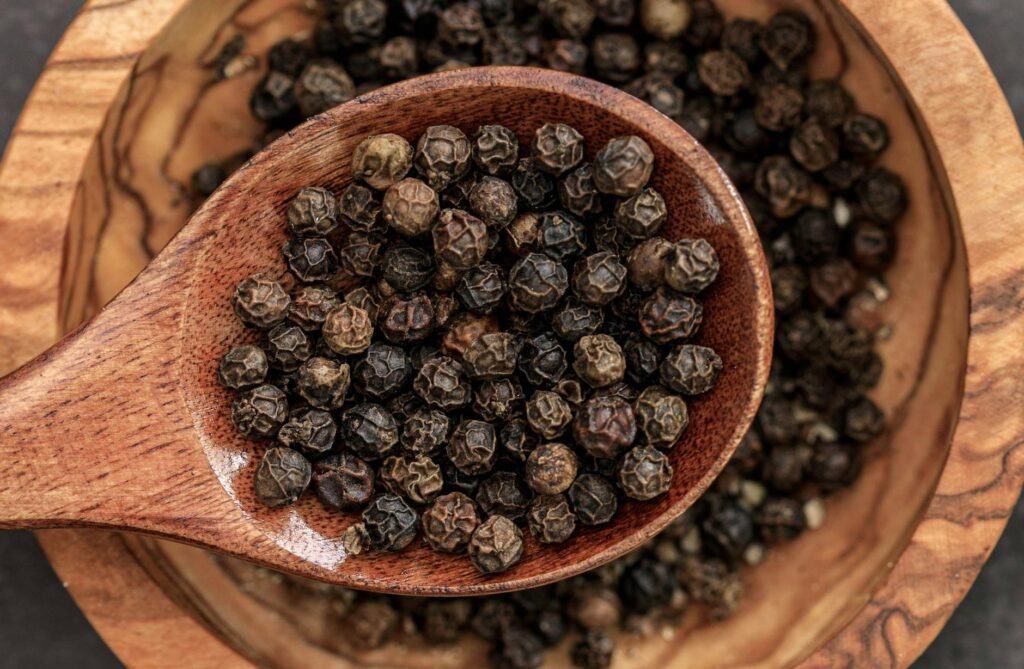
Black pepper, often referred to as the “king of spices,” is one of the most widely used culinary ingredients worldwide. Its unique flavor and versatility make it a staple in kitchens, restaurants, and food industries across the globe. This guide delves into the multifaceted uses of black pepper, exploring its historical significance, production methods, grading systems, culinary applications, and more.
What Is Uses?
In the context of food ingredients, “uses” refers to the various applications and functions that a particular ingredient can serve in culinary practices. This encompasses its roles in flavor enhancement, preservation, and even its cultural significance in various cuisines. Black pepper’s uses extend beyond mere seasoning; it plays a crucial role in culinary arts, food preservation, and even gastronomy.
History and Origins
Black pepper (Piper nigrum) is native to the tropical regions of South India and is one of the oldest spices known to humanity. Historical records suggest that it has been used for over 4,000 years, initially prized for its flavor as well as its preservative qualities. In ancient times, it was so valuable that it was often referred to as “black gold.” The demand for black pepper led to the establishment of trade routes that connected Europe with Asia, particularly during the spice trade era.
The spice has been mentioned in various ancient texts, including those of the Romans and Greeks. It was highly sought after, leading to its use as currency and in religious rituals. The cultivation of black pepper eventually spread from India to other parts of Asia, including Vietnam and Indonesia, which are now among the largest producers of black pepper.
Production and Processing
The production of black pepper involves several stages, from cultivation to processing. The plant thrives in tropical climates, requiring specific conditions, including warm temperatures and high humidity. The berries are harvested when they are still green and unripe, typically during the rainy season.
Once harvested, the berries undergo a process of fermentation, followed by drying. Traditional methods involve laying the berries in the sun until they shrivel and turn black, which enhances their flavor. The dried berries are then sorted, graded, and packaged for distribution.
The choice of processing methods can significantly affect the flavor profile of black pepper. For instance, freshly ground pepper retains more of its essential oils and robust flavor compared to pre-ground varieties. Additionally, the freshness of the spice is a crucial factor in its overall quality.
Quality and Grading
The quality of black pepper is determined by several factors, including color, size, aroma, and flavor intensity. Black pepper is generally graded based on the size of the berries and the presence of defects. The two primary grades are:
- Tellicherry Pepper: Considered the highest quality, Tellicherry pepper is harvested from the Malabar coast in India. These berries are larger and possess a more complex flavor profile.
- Malabar Pepper: Also from India, this grade is slightly lower in quality compared to Tellicherry but still offers robust flavor characteristics.
- Flavor Enhancer: Black pepper enhances the flavor of a wide array of dishes, from soups and stews to meats and vegetables. Its pungency balances richness, making it a critical component in savory recipes.
- Marinades and Rubs: It serves as an essential ingredient in marinades and spice rubs, where its heat can penetrate meats and vegetables, infusing them with flavor.
- Condiments: Ground black pepper is often added to sauces, dressings, and dips, providing a kick that elevates the dish’s overall flavor profile.
- Store Whole Peppercorns: Whole peppercorns have a longer shelf life than ground pepper. When stored in an airtight container in a cool, dark place, they can last for several years.
- Ground Pepper: Once ground, black pepper loses its essential oils and flavor more quickly. It’s best used within six months for optimal flavor.
- Avoid Moisture: Keep pepper away from moisture, as it can lead to mold growth. Always use dry utensils when scooping pepper from its container.
- Spice Jars: Invest in high-quality spice jars that prevent light exposure and seal tightly to preserve freshness.
Other grading systems may include terms like “extra bold,” “bold,” and “regular.” Consumers should look for high-quality, whole peppercorns for the best flavor experience.
Buying Considerations
When purchasing black pepper, several factors should be taken into account to ensure quality and freshness:
1. Form: Whole peppercorns retain their flavor longer than pre-ground pepper. Consider investing in a pepper mill for optimal flavor.
2. Origin: Different regions produce distinct flavor profiles. Researching the origin can help you select the type that best suits your culinary needs.
3. Packaging: Look for airtight packaging to preserve freshness. Avoid products in clear containers, as exposure to light can degrade quality.
4. Organic Options: If sustainability and pesticide use are concerns, consider organic black pepper, which is grown without synthetic fertilizers or pesticides.
5. Freshness: Check the packaging date if available. Freshly harvested pepper will provide a more vibrant flavor.
Uses and Applications
Black pepper’s uses are vast and varied, transcending its role as a mere seasoning. Here are some key applications:
Culinary Applications
Preservation
Historically, black pepper has been used as a preservative due to its antimicrobial properties. While modern refrigeration has lessened its necessity, it can still play a role in extending the shelf life of certain foods, particularly cured meats and pickles.
Gastronomy
In fine dining, black pepper is often employed not only for its flavor but also for its aesthetic appeal. Chefs may use freshly cracked pepper as a finishing touch, adding a visual and sensory layer to dishes. Its versatility allows it to be paired with a variety of ingredients, from citrus fruits to rich cheeses.
Infusions and Spirits
Black pepper is increasingly being used in infusions for various beverages. It can add complexity to artisanal cocktails and craft beers, offering a unique twist that enhances the drinking experience.
Aromatherapy and Fragrance
Beyond culinary uses, black pepper is also employed in aromatherapy and the fragrance industry. Its essential oil is extracted for use in various products, providing warm, spicy notes that evoke feelings of comfort.
Storage and Shelf Life
To maintain the freshness and potency of black pepper, proper storage is essential. Here are some guidelines:
Common Misconceptions
Despite its popularity, several misconceptions surround black pepper:
1. All Black Pepper is the Same: Not all black pepper is created equal. Varieties differ significantly in flavor, aroma, and quality.
2. Ground Pepper is Better: Freshly ground peppercorns provide a more robust flavor than pre-ground pepper, which can lose potency over time.
3. Black Pepper is Spicy: While black pepper does have a pungent flavor, it is not considered “spicy” in the same way that chili peppers are. Its heat is more about aromatic intensity than actual spiciness.
4. Only for Savory Dishes: While predominantly used in savory cooking, black pepper can complement sweet dishes, particularly when paired with chocolate or fruit.
Frequently Asked Questions (6 FAQs)
1. Can I use black pepper in desserts?
Yes, black pepper can enhance desserts, particularly those with chocolate or fruit flavors. It adds complexity and warmth to sweet dishes.
2. What’s the difference between black, white, and green pepper?
Black pepper is made from unripe berries, while white pepper comes from ripe berries with the outer skin removed. Green pepper is harvested early and preserved, offering a fresher, milder flavor.
3. How can I tell if my black pepper is fresh?
Fresh black pepper should have a strong, aromatic scent and a pungent flavor. If it smells dull or lacks intensity, it may be past its prime.
4. Is there a difference in flavor between different types of black pepper?
Yes, varieties like Tellicherry and Malabar have distinct flavor profiles, with Tellicherry often being more complex and aromatic.
5. Can I use black pepper as a preservative?
While it has historical uses as a preservative, modern food preservation relies more on refrigeration. Black pepper can still help extend shelf life in some foods.
6. How should I grind black pepper for the best flavor?
For optimal flavor, use a pepper mill to grind whole peppercorns just before use. This preserves the essential oils and delivers the best taste.
In conclusion, black pepper is not only a ubiquitous culinary ingredient but also a complex spice with a rich history and diverse applications. Its versatility makes it an essential component in kitchens worldwide, ensuring its status as a cherished ingredient for generations to come.