
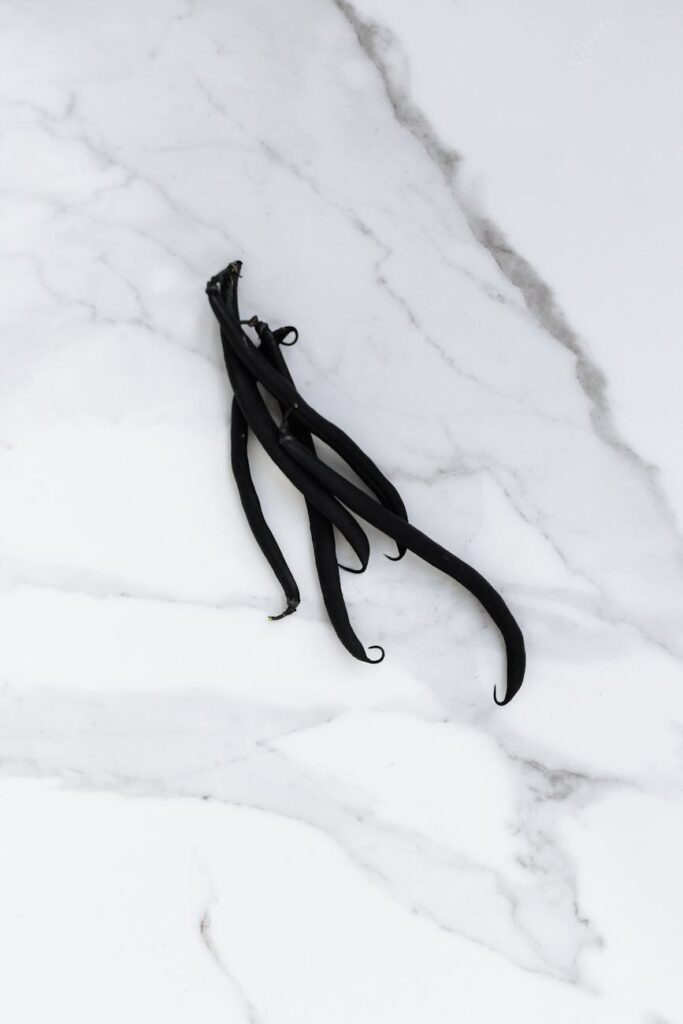
Vanilla Beans Buying Guide Part 6
Introduction
Vanilla beans, a beloved ingredient in kitchens around the world, are revered for their rich flavor and aromatic qualities. Sourcing high-quality vanilla beans can significantly elevate culinary applications, from baking to gourmet cooking. This guide aims to inform buyers about the essential aspects of purchasing vanilla beans, covering their history, production, quality metrics, and practical considerations.
What Is Buying?
In the context of vanilla beans, buying refers to the process of selecting and acquiring vanilla pods for culinary use. This activity encompasses understanding the types of vanilla available, evaluating their quality, and making informed decisions to ensure the best product selection. Successful buying is not merely transactional but an informed practice that acknowledges the nuances of this precious ingredient.
History and Origins
The history of vanilla is as rich as its flavor. Originally cultivated by the Totonac people in what is now Mexico, vanilla was later introduced to Europe by Spanish conquistadors in the 16th century. The plant, which is a species of orchid, requires specific conditions to thrive, making it a challenging crop to cultivate.
The vanilla bean has since spread globally, with significant production in Madagascar, Mexico, Tahiti, and Indonesia. Madagascar remains the dominant source, accounting for approximately 80% of the world’s vanilla supply. The quest for high-quality vanilla has led to various cultivation techniques, impacting flavor profiles and market dynamics.
Production and Processing
Vanilla beans are harvested from the vanilla orchid, specifically from the pods that develop after pollination. The harvesting process is labor-intensive and requires skilled hands. Once harvested, the beans undergo a series of curing processes.
1. Blanching: Beans are briefly dipped in hot water to initiate the enzymatic processes that develop flavor.
2. Sweating: After blanching, beans are wrapped in blankets and placed in a warm, humid environment to facilitate fermentation.
3. Drying: Following the sweating phase, beans are laid out in the sun and then dried in the shade to preserve their aroma and flavor.
This meticulous processing is crucial; it is during these stages that the characteristic flavors and aromas of vanilla beans are developed. The entire process can take several months, which contributes to the high cost of quality vanilla beans.
Quality and Grading
Quality is a paramount aspect when purchasing vanilla beans. Several factors contribute to the grading of vanilla, primarily based on moisture content, appearance, and flavor profile.
1. Moisture Content: High-quality beans typically have a moisture content between 25% and 35%. Beans that are too dry may lack flavor, while overly moist beans can develop mold.
2. Appearance: Premium vanilla beans are dark brown, oily, and flexible. They should not be brittle or too dry. The presence of glistening vanillin crystals on the surface is a sign of quality.
3. Flavor Profile: Flavor can vary significantly based on the origin of the beans. Madagascar vanilla is known for its creamy, sweet profile, while Tahitian vanilla offers floral and fruity notes.
Grading systems, such as the US Fancy grade, help buyers identify quality. The higher the grade, the more desirable the beans are for culinary applications.
Buying Considerations
When purchasing vanilla beans, several considerations can guide buyers toward making the best choice:
- Source: Identify reputable suppliers to ensure the authenticity and quality of the beans. Consider purchasing from sustainable sources that promote fair trade practices.
- Variety: Understand the differences between types of vanilla, such as Bourbon (Madagascar), Tahitian, and Mexican vanilla. Each has its unique characteristics, making certain varieties more suitable for specific culinary needs.
- Form: Vanilla is available in various forms, including whole beans, extracts, and powders. Depending on the application, choose the form that best suits your needs. Whole beans provide the purest flavor, whereas extracts are convenient for quick use.
- Price: Due to climate factors and global demand, vanilla prices can fluctuate significantly. Be wary of unusually low prices, as they may indicate inferior quality or synthetic substitutes.
- Packaging: Look for beans sold in airtight packaging to preserve freshness. Transparent packaging can also help you inspect the beans before purchase.
- Baking: Vanilla beans enhance the flavor of cakes, cookies, and pastries. The seeds can be scraped from the pod and mixed into batters for a more intense vanilla experience.
- Beverages: They are often used in cocktails, infused spirits, and desserts like ice cream or custards.
- Savory Dishes: Vanilla can also be employed in savory recipes, such as marinades or sauces, where it adds depth and complexity.
- Cool, Dark Place: Store vanilla beans in a cool, dark place, away from direct sunlight. A pantry or kitchen cabinet is ideal.
- Airtight Container: Keep beans in an airtight container to prevent them from drying out. Glass jars or vacuum-sealed bags are excellent options.
- Avoid Refrigeration: Contrary to popular belief, refrigeration can cause vanilla beans to dry out. It is best to store them at room temperature.
Uses and Applications
Vanilla beans are incredibly versatile in culinary applications. Their primary use is as a flavoring agent in both sweet and savory dishes. Common uses include:
The flexibility of vanilla beans makes them a staple in high-end culinary applications, where their nuanced flavor can shine.
Storage and Shelf Life
Proper storage of vanilla beans is essential for maintaining their quality. Here are some best practices:
With proper storage, vanilla beans can last for several years. However, their flavor potency may diminish over time, so it is advisable to use them within a year for optimal results.
Common Misconceptions
Despite its popularity, there are several misconceptions surrounding vanilla beans:
1. All Vanilla is