
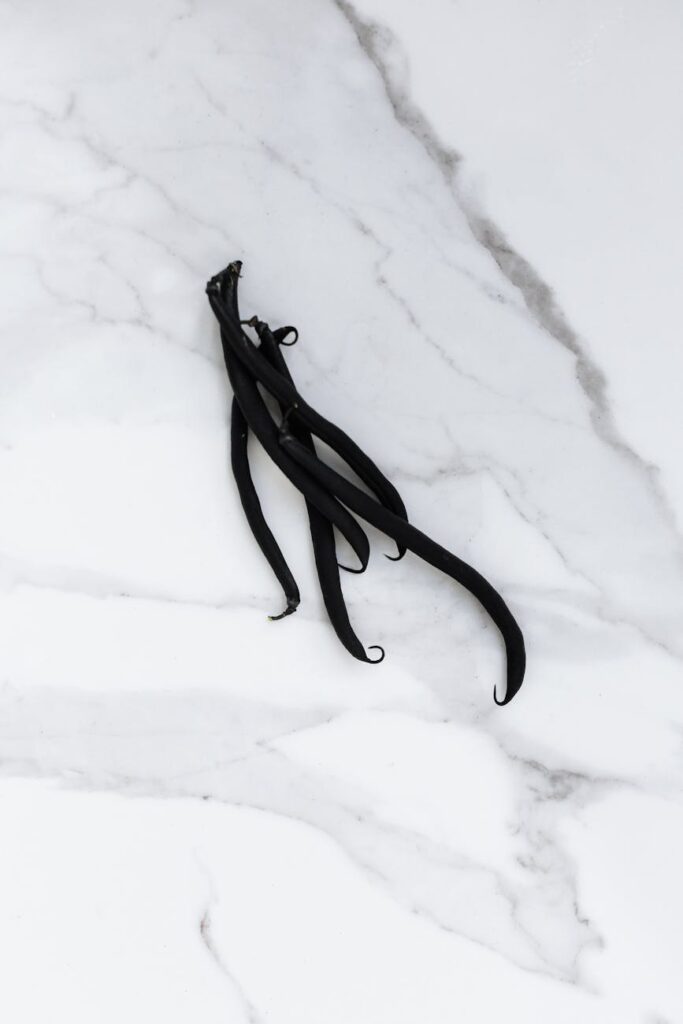
Vanilla Beans Growing Guide Part 6
Introduction
Vanilla beans, derived from the orchid genus Vanilla, are one of the most sought-after flavoring agents in the culinary world. Renowned for their rich aroma and complex flavor profile, these beans are a staple in a multitude of dishes, desserts, and beverages. However, the journey of vanilla from vine to the kitchen involves intricate growing, harvesting, and processing techniques. This guide delves into the various aspects of growing vanilla beans, focusing on the essential elements that contribute to their successful cultivation and use.
What Is Growing?
In the context of vanilla beans, growing refers to the cultivation practices involved in nurturing the vanilla orchid from seed or cutting to mature vine. The process encompasses several stages, including selection of the right environment, planting, care, and management of the plants. Given that vanilla orchids thrive in specific climatic conditions, understanding the nuances of their growth is paramount for producing high-quality beans.
Environmental Requirements
Vanilla orchids flourish in tropical climates with temperatures ranging from 60°F to 95°F (15°C to 35°C). They require high humidity levels, ideally around 70-80%, as well as partial shade, as direct sunlight can scorch their leaves. The soil should be well-draining, rich in organic matter, and slightly acidic to neutral in pH (5.8 to 7.0).
History and Origins
Vanilla has a rich history, tracing back to Mesoamerica, where it was first cultivated by the Totonac people of present-day Mexico. The Totonac civilization revered vanilla, associating it with fertility and the divine. When Spanish conquistadors arrived in the 16th century, they were introduced to this exotic flavor, which quickly gained popularity across Europe.
The process of pollination was initially a bottleneck for vanilla cultivation, as the natural pollinators, specific species of bees, were not present outside of Mexico. This limitation was overcome in the mid-19th century when Edmond Albius, a 12-year-old enslaved boy, developed a method for hand-pollinating vanilla flowers. This breakthrough allowed for the global cultivation of vanilla, leading to its widespread use in culinary applications.
Production and Processing
Cultivation Practices
1. Planting: Vanilla orchids are propagated through cuttings, which are typically taken from healthy, mature vines. The cuttings are planted in well-prepared soil, often alongside support structures like trees or trellises, as vanilla is a climbing vine.
2. Watering: Consistent moisture is vital, but care must be taken to avoid waterlogging, which can lead to root rot. Irrigation is often necessary during dry spells.
3. Fertilization: Organic fertilizers, such as compost or well-rotted manure, are preferred. A balanced fertilizer may also be applied to encourage healthy growth.
4. Pest and Disease Management: Regular monitoring for pests like aphids and mealybugs is crucial. Organic pesticides and beneficial insects can be employed to manage infestations.
Harvesting
Vanilla beans take approximately 8-9 months to mature after pollination. Harvesting is a labor-intensive process that requires skilled hands to ensure the beans are picked at the right time. They are harvested when they begin to turn from green to yellow. Timing is critical, as beans harvested too early will lack the characteristic flavor, while those left too long may split.
Curing and Processing
Once harvested, vanilla beans undergo a curing process that enhances their flavor and aroma. The typical curing process involves several key stages:
1. Blanching: The beans are briefly immersed in hot water to halt the growth of enzymes and initiate the curing process.
2. Sweating: The beans are then wrapped in cloth and placed in a warm environment for several days to allow fermentation. This stage develops the beans’ characteristic flavor compounds.
3. Drying: After sweating, the beans are dried in the sun or in a controlled environment to reduce moisture content and preserve the flavor.
4. Conditioning: Finally, the beans are stored in a controlled environment to allow further development of their flavor.
Quality and Grading
The quality of vanilla beans is primarily determined by their appearance, aroma, and flavor profile. Beans are graded based on size, moisture content, and overall quality. The most recognized grading systems include:
- Grade A: These are premium beans, plump, oily, and fragrant, typically used for culinary applications.
- Grade B: Often drier and smaller, these beans are usually used for extraction and flavoring.
- Baking: Vanilla is a staple in desserts such as cakes, cookies, and pastries, enhancing flavor complexity.
- Beverages: From vanilla lattes to cocktails, the addition of vanilla can elevate a drink’s profile.
- Savory Dishes: Vanilla can be used
Quality assessment is crucial for producers and buyers, as it affects market value and consumer satisfaction.
Buying Considerations
When purchasing vanilla beans, several factors should be kept in mind:
1. Origin: Different regions produce beans with unique flavor profiles. Madagascar, for instance, is known for its creamy, rich vanilla, while Tahitian vanilla has a more floral and fruity note.
2. Quality: Always look for plump, oily beans with a strong aroma. Avoid beans that are dry or brittle.
3. Sustainability: Consider sourcing from producers who engage in sustainable farming practices, ensuring that the harvest supports local communities and ecosystems.
4. Form: Vanilla is available in various forms, including whole beans, extracts, powders, and pastes. The choice depends on the intended use and desired flavor intensity.
Uses and Applications
Vanilla beans are incredibly versatile and find applications across various culinary fields: