
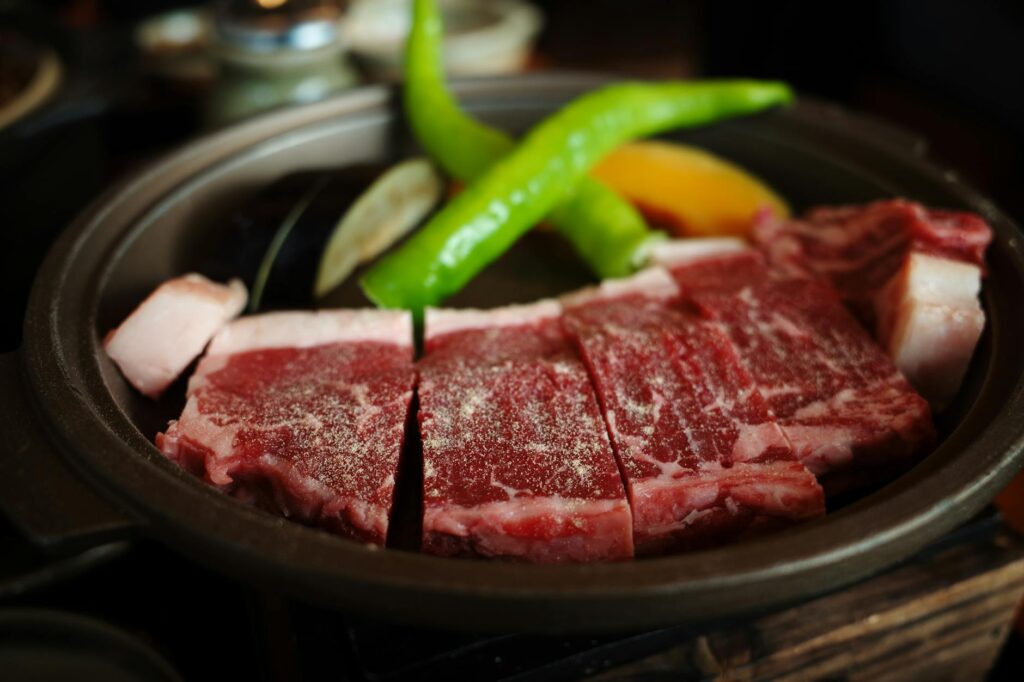
Wagyu Beef Growing Guide Part 6
Introduction
Wagyu beef, renowned for its unparalleled marbling and rich flavor, has become a symbol of luxury in the culinary world. This guide delves into the intricacies of growing Wagyu beef, exploring its historical roots, production processes, quality grading systems, and more. Understanding these elements is crucial for anyone interested in this gourmet ingredient, whether for culinary purposes or commercial cultivation.
What Is Growing?
In the context of Wagyu beef, “growing” refers to the entire lifecycle of Wagyu cattle, from breeding to maturation and ultimately to the meat’s processing. This encompasses the genetic factors that contribute to the unique characteristics of Wagyu, the feeding practices employed, and the environmental conditions that affect growth. Each of these components plays a critical role in determining the quality and flavor profile of the beef produced.
History and Origins
The origins of Wagyu cattle can be traced back to Japan. The term “Wagyu” literally translates to “Japanese cow.” These cattle were initially used as draft animals in agricultural settings, valued for their strength and endurance. Over time, selective breeding practices were adopted to enhance their meat quality, leading to the development of the distinct breeds we recognize today, such as Kuroge, Akage, and Nihon Tankaku.
Post-World War II, Wagyu cattle were further refined, particularly the Kuroge breed, which is most commonly associated with high-quality beef production. It is essential to note that the cultural significance of Wagyu extends beyond its culinary uses; it is deeply embedded in Japanese traditions and practices, including unique feeding methods that have been passed down through generations.
Production and Processing
Breeding and Rearing
The first step in producing premium Wagyu beef begins with the careful selection of breeding stock. The genetics of Wagyu cattle are unique, and maintaining a pure lineage is vital. Breeders often use artificial insemination techniques to introduce desirable traits, ensuring that the offspring inherit the prized characteristics of their lineage.
Feeding Practices
Wagyu cattle are typically raised in a stress-free environment, which is critical for their overall health and the quality of the meat. Their diet is a crucial factor in developing the renowned marbling. Traditional feeding methods include a high-energy diet of grains, grass, and even beer in some regions, which helps promote fat deposition within the muscle. This process is known as “finishing” and can last several months to a year, depending on the desired quality.
Processing
Once the cattle have reached maturity, they are processed in specialized facilities that adhere to strict regulations. The processing of Wagyu beef requires meticulous attention to detail, ensuring that the meat is handled with care to maintain its quality. This includes aging the beef under controlled conditions, which enhances its tenderness and flavor.
Quality and Grading
Wagyu beef is graded based on a combination of yield and quality, with the Japanese Meat Grading Association establishing a well-defined system. The grading scale ranges from A to C for yield, with A being the highest. Quality is assessed using a score from 1 to 5, evaluating factors such as marbling, color, firmness, and texture.
The most coveted Wagyu beef is often classified as A5, representing both the highest yield and quality. Such beef boasts an extraordinary level of marbling—measured by the Beef Marbling Score (BMS)—which significantly contributes to its rich, buttery flavor profile. Understanding these grading systems is essential for consumers and culinary professionals when selecting high-quality Wagyu beef.
Buying Considerations
When purchasing Wagyu beef, several factors should be taken into account to ensure quality:
1. Source: Always buy from reputable suppliers who can provide information about the cattle’s lineage and breeding practices.
2. Grading: Look for clear grading labels. A5 is the highest standard, but A4 and A3 are also of high quality.
3. Cut: Different cuts of Wagyu beef vary in flavor and tenderness. Common cuts include ribeye, sirloin, and filet mignon, each offering distinct characteristics.
4. Origin: Authentic Japanese Wagyu is often more expensive due to its strict production standards. However, high-quality American or Australian Wagyu can also offer excellent flavor and marbling.
5. Price: While Wagyu beef is generally more expensive than other types of beef, be wary of prices that seem too low, as they may indicate inferior quality or misrepresentation.
6. Sustainability: As consumer awareness grows, consider sourcing beef from producers who prioritize sustainable farming practices.
Uses and Applications
Wagyu beef is versatile in the kitchen, used in a variety of culinary applications. Its high fat content and unique flavor profile make it ideal for:
- Grilling: The marbling allows for a juicy, tender experience when grilled, making it a favorite for steak lovers.
- Searing: Due to its rich flavor, Wagyu can be seared quickly at high temperatures, allowing the outer crust to caramelize without overcooking the interior.
- Raw Preparations: In Japanese cuisine, Wagyu is often enjoyed as sushi or sashimi, showcasing its delicate flavor and buttery texture.
- Slow Cooking: Certain cuts of Wagyu can be braised or slow-cooked, allowing the fat to render and enrich the dish.
- Refrigeration: Fresh Wagyu beef should be stored in the refrigerator at temperatures below 40°F (4°C). It is best used within 3-5 days of purchase.
- Freezing: If you do not
Whether enjoyed as a standalone dish or incorporated into elaborate recipes, Wagyu beef elevates any meal to a luxurious experience.
Storage and Shelf Life
Proper storage is crucial for maintaining the quality of Wagyu beef. Here are key considerations: