
What Is Artichoke?
Introduction
Artichokes, with their unique appearance and complex flavor profile, are one of the most intriguing vegetables in global cuisine. This thistle-like plant has captivated culinary enthusiasts and chefs alike, earning its place as a delicacy in various cultures. While often regarded as an exotic ingredient, artichokes are versatile and can be incorporated into a wide array of dishes. In this article, we will explore the artichoke in detail, covering its history, production, uses, and storage, among other important aspects.
What Is Artichoke?
The artichoke, scientifically known as Cynara scolymus, is a perennial thistle that belongs to the Asteraceae family. It is valued for its edible buds, which are harvested before they bloom. The plant can reach a height of up to 1.4 meters (about 4.5 feet) and features large, serrated leaves that can grow up to 83 cm (32 inches) long. The edible portion of the artichoke includes the immature flower buds and the tender inner leaves, known as the heart.
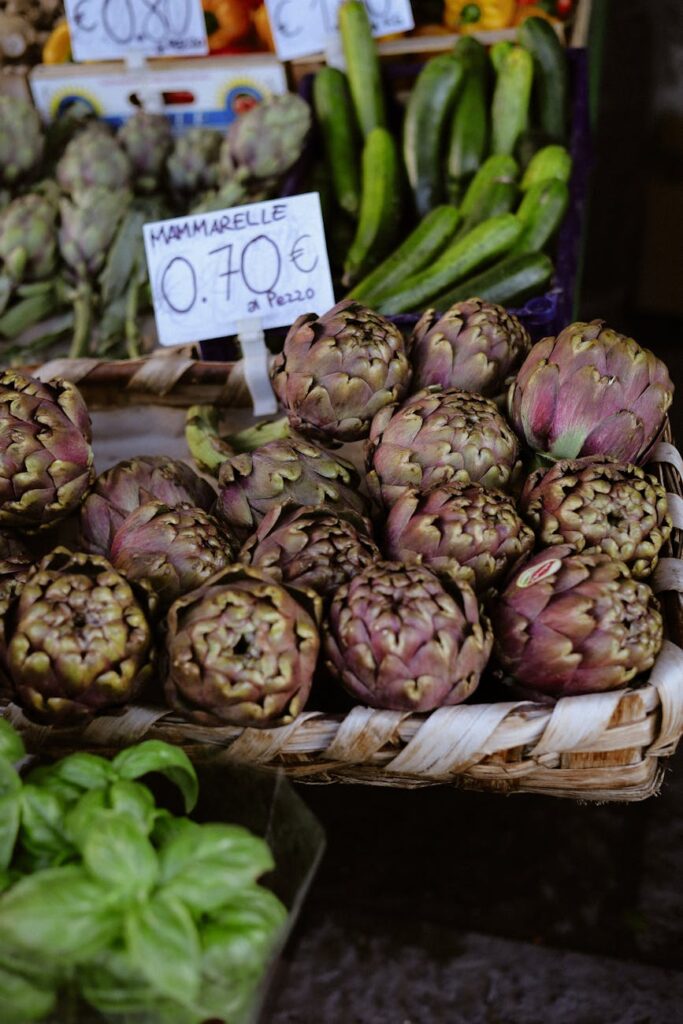
Artichokes are primarily cultivated in Mediterranean climates, where they thrive in well-drained soil and full sun. They come in various varieties, including the globe artichoke, the French artichoke, and the Jerusalem artichoke (which is not a true artichoke). The globe artichoke is the most commonly recognized type, characterized by its round shape and greenish-purple hue.
History and Origins
The history of the artichoke dates back to ancient times. It is believed to have originated in the Mediterranean region, particularly in areas around the Mediterranean Sea, including parts of Italy, Spain, and North Africa. The plant was cultivated by the ancient Greeks and Romans, who appreciated both its culinary and medicinal uses. Historical texts suggest that the artichoke was so highly valued that it became a symbol of luxury and refinement.
By the 16th century, artichokes made their way to France, where they gained popularity among the aristocracy. This led to their eventual introduction to other parts of Europe and, later, to the Americas. Today, California is one of the largest producers of artichokes in the world, significantly contributing to the global supply.
Production and Processing
The production of artichokes involves several stages, from planting to harvesting. Artichokes are typically grown from seeds or transplants in the spring. They require a long growing season, generally taking about six months to reach maturity. The plants are pruned to promote healthy growth and to encourage the development of larger buds.
Harvesting occurs when the buds are still tightly closed and before they bloom, which can be determined by their size and firmness. Harvesting is a delicate process; workers must carefully cut the buds from the plant to avoid damaging the surrounding leaves. Once harvested, artichokes are usually washed, sorted, and packaged for distribution.
Processing of artichokes may include canning, freezing, or marinating, which allows for a longer shelf life and expands their culinary uses. Canned and frozen artichokes are convenient options for consumers, offering an easy way to incorporate this ingredient into various dishes.
Quality and Grading
When it comes to quality, artichokes are graded based on size, color, and firmness. The best quality artichokes are those that are heavy for their size, with tightly packed leaves and a vibrant green color. Bruises, blemishes, or signs of wilting can indicate poor quality and should be avoided.
In commercial markets, artichokes are often categorized into different grades. The highest grade typically includes the largest and most visually appealing specimens, while lower grades may include smaller or slightly damaged artichokes. For culinary purposes, selecting high-quality artichokes is crucial to ensure the best flavor and texture in dishes.
Buying Considerations
When purchasing artichokes, several factors should be taken into account to ensure optimal freshness and quality. Look for artichokes with tightly closed leaves and a firm texture. The color should be a vibrant green, though some varieties may exhibit purple hues. Avoid artichokes with brown spots, soft spots, or signs of wilting.
Seasonality is also an important consideration; fresh artichokes are typically available from spring through early summer, with peak season varying by region. If fresh artichokes are not available, frozen or canned varieties can be a suitable alternative, although they may not offer the same flavor and texture as fresh ones.
Uses and Applications
Artichokes are incredibly versatile and can be used in various culinary applications. They can be steamed, boiled, grilled, or roasted, and they pair well with an assortment of ingredients, including garlic, lemon, and olive oil. Artichoke hearts are often used in salads, dips, and pasta dishes, while whole artichokes can serve as a striking centerpiece for a meal.
Artichokes also feature prominently in Mediterranean cuisine, appearing in dishes such as Caponata and Frittata. Beyond traditional uses, artichokes can be incorporated into modern dishes, such as pizzas or gourmet sandwiches. The flavor profile of artichokes is often described as nutty and slightly sweet, making them a delightful addition to various recipes.
Moreover, artichokes can also be blended into purees or used as a base for sauces, showcasing their adaptability in both savory and even sweet culinary creations.
Storage and Shelf Life
Proper storage is essential to maintaining the freshness and quality of artichokes. Fresh artichokes should be stored in the refrigerator, ideally in a perforated plastic bag to allow for air circulation. They can typically last for about 3 to 5 days when stored correctly.
For longer-term storage, artichokes can be blanched and frozen. This process involves briefly boiling the artichokes before plunging them into an ice bath to halt cooking. Once cooled, they can be stored in airtight containers or freezer bags. Frozen artichokes can last for several months and are perfect for use in soups, stews, and casseroles.
Canned artichokes offer another storage option, providing convenience and a longer shelf life. However, be mindful of the sodium content in canned varieties, as they may contain added preservatives.
Common Misconceptions
Despite their popularity, there are several misconceptions about artichokes that merit clarification. One common misunderstanding is that all artichokes require extensive preparation. In reality, while whole artichokes may require some trimming to remove tough outer leaves, many varieties are available pre-prepared, such as canned or frozen artichokes.
Another misconception is that artichokes are difficult to cook. In fact, they can be prepared using a variety of straightforward cooking methods, such as steaming or boiling, making them accessible to home cooks of all skill levels.
Finally, the Jerusalem artichoke is often confused with the globe artichoke. While they share a name, Jerusalem artichokes are actually tubers and belong to a different species altogether. They offer a distinct flavor and texture, further highlighting the wide range of edible plants within the artichoke family.
Frequently Asked Questions
1. What part of the artichoke is edible?
The edible parts of the artichoke include the tender inner leaves and the heart. The outer leaves are typically tough and fibrous, and while they can be eaten, they are usually discarded after the flavorful flesh is scraped off.
2. How do you prepare an artichoke for cooking?
To prepare an artichoke, begin by trimming the stem and removing any tough outer leaves. You may also cut off the top inch of the artichoke and rub the cut edges with lemon to prevent browning. Cooking can then be done by boiling, steaming, or grilling.
3. Are artichokes healthy?
Artichokes are low in calories and rich in dietary fiber, vitamins, and antioxidants, making them a nutritious addition to a balanced diet.
4. Can you eat artichoke leaves?
Yes, the leaves of the artichoke can be eaten, though they are best enjoyed by scraping off the tender flesh at the base of the leaves with your teeth. The outer leaves are usually tougher and not as flavorful.
5. How do you know when an artichoke is ripe?
A ripe artichoke feels heavy for its size, has tightly closed leaves, and exhibits a vibrant green color. If the leaves start to open or show signs of browning, it may be overripe.
6. What is the difference between globe artichokes and Jerusalem artichokes?
Globe artichokes are thistle buds and belong to the Cynara genus, while Jerusalem artichokes are tubers from a different species called Helianthus tuberosus. They have distinct flavors and culinary uses.
In conclusion, artichokes are a fascinating ingredient with a rich history and a multitude of culinary applications. Understanding their production, preparation, and storage can enhance your appreciation for this unique vegetable, making it a worthy addition to any kitchen. Whether enjoyed fresh or used in processed forms, artichokes offer a delightful combination of flavor and nutrition that can elevate countless dishes.