
What Is Arugula?
Introduction
Arugula, known scientifically as Eruca sativa, is a leafy green vegetable that has gained significant popularity in culinary circles around the globe. With its peppery flavor and distinctive, elongated leaves, arugula has become a staple in salads, sandwiches, and various other dishes. Its unique taste and nutritional profile have made it a sought-after ingredient in both home kitchens and professional culinary settings. This article delves into the multifaceted world of arugula, exploring its history, production, quality considerations, and more.
What Is Arugula?
Arugula is a member of the Brassicaceae family, which also includes mustard greens, cabbage, and broccoli. It is characterized by its jagged, dark green leaves and a robust, peppery flavor, often described as a cross between mustard and radish. This leafy green can be consumed raw or cooked, although its flavor is most pronounced when eaten fresh. Rich in vitamins A, C, and K, as well as minerals like calcium and potassium, arugula offers a nutritious addition to a balanced diet.
History and Origins
Arugula has a storied history that dates back thousands of years. Its origins can be traced to the Mediterranean region, where it was cultivated by ancient civilizations, including the Romans and Greeks. Historical texts indicate that arugula was not only valued for its culinary uses but also revered for its aphrodisiac properties.
In the Middle Ages, arugula was commonly grown in monastery gardens and was used in various herbal remedies. As trade routes expanded, this versatile green made its way to different parts of Europe, eventually becoming a popular ingredient in Italian cuisine. In recent decades, arugula has experienced a renaissance in the culinary world, particularly in North America, where it is frequently featured in gourmet salads and dishes.
Production and Processing
Arugula is typically grown as a cool-season crop, thriving in temperate climates. It prefers well-drained soil and can be sown directly in the ground or started indoors and later transplanted. The growing cycle is relatively short, with arugula maturing in as little as 30 days after sowing, making it an attractive option for home gardeners and commercial producers alike.
In terms of processing, arugula is often harvested by hand to avoid damage to the delicate leaves. Once harvested, it is washed and packaged for distribution. Quality control is essential during this stage to ensure that only the freshest and most flavorful leaves reach the market.
Quality and Grading
Quality and grading of arugula are determined by several factors, including leaf size, color, texture, and overall freshness. High-quality arugula should have vibrant green leaves that are free from blemishes or yellowing. The leaves should be crisp and tender, indicating that they have been harvested at the right time.
In commercial settings, arugula may be graded based on these criteria, with higher grades reserved for leaves that meet superior quality standards. Additionally, certifications such as organic or locally grown may influence the perceived quality and desirability of arugula in the marketplace.
Buying Considerations
When purchasing arugula, consumers should consider several factors to ensure they are selecting the best product. First, look for arugula that is vivid green and free of any signs of wilting or decay. Local farmers’ markets often offer fresher options compared to supermarket varieties, as they are typically harvested more recently.
If buying pre-packaged arugula, check the expiration date and inspect the packaging for any signs of damage or moisture, which can lead to spoilage. Additionally, consider whether you prefer organic arugula, as this may influence both flavor and environmental impact.
Uses and Applications
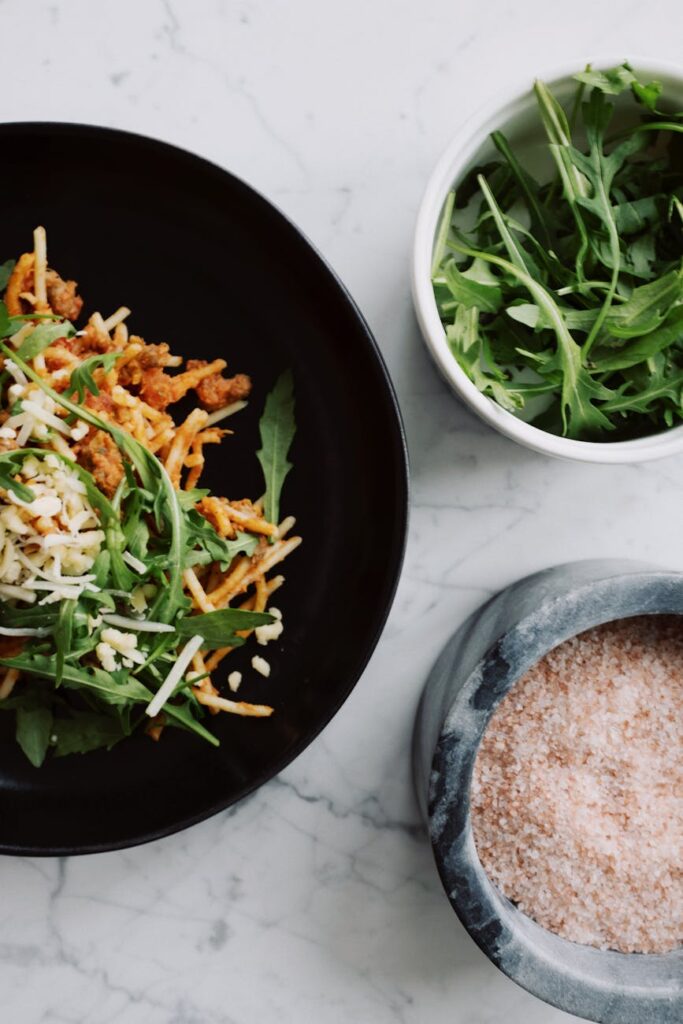
Arugula’s peppery flavor makes it a versatile ingredient in various culinary applications. It is most commonly used in salads, where its bold taste can complement milder greens. Arugula can also be added to pasta dishes, pizzas, and sandwiches, providing a unique flavor profile that enhances the overall dish.
Beyond its use in salads and main courses, arugula can be incorporated into pesto, smoothies, and even used as a garnish for soups. Its culinary versatility allows chefs and home cooks alike to experiment with different flavor combinations, making it a favored choice in modern gastronomy.
Storage and Shelf Life
To maintain the freshness of arugula, proper storage is essential. Fresh arugula should be stored in the refrigerator, ideally wrapped in a damp paper towel and placed in a perforated plastic bag to allow for airflow. This method helps retain moisture while preventing the leaves from becoming overly wet, which can lead to spoilage.
When stored correctly, arugula can last up to a week in the refrigerator. However, it is best consumed within a few days for optimal flavor and nutritional value. If the leaves begin to wilt or show signs of decay, it is advisable to discard them to prevent further spoilage.
Common Misconceptions
Despite its popularity, several misconceptions about arugula persist. One common myth is that arugula is a type of lettuce; while both are leafy greens, arugula belongs to a different family and possesses a distinct flavor profile.
Another misconception is that arugula is only suitable for salads; in reality, its peppery taste can enhance a wide range of dishes, from pastas to sandwiches. Lastly, some people believe that arugula must always be consumed raw; while its flavor is indeed more pronounced when fresh, cooking arugula can soften its intensity and create a different, yet enjoyable, taste experience.
Frequently Asked Questions
1. What is the best way to prepare arugula?
Arugula can be enjoyed raw in salads, sandwiches, and wraps, or cooked in stir-fries, pastas, and soups. For raw consumption, it’s often paired with ingredients like citrus, nuts, and cheeses to balance its peppery flavor.
2. How can I tell if arugula has gone bad?
Signs that arugula has spoiled include wilting, yellowing leaves, and a slimy texture. If the leaves emit an off odor or are overly soft, it’s best to discard them.
3. Is arugula the same as rocket?
Yes, “rocket” is another name for arugula, commonly used in British English. The terms are interchangeable, referring to the same leafy green.
4. Can I grow arugula at home?
Yes, arugula is relatively easy to grow at home, requiring minimal space and a cool climate. It can be sown directly in the garden or in containers, making it suitable for various gardening setups.
5. Are there different varieties of arugula?
Yes, there are several varieties of arugula, including wild arugula, which has a more intense flavor, and cultivated arugula, which is milder and more commonly found in grocery stores.
6. How does arugula compare nutritionally to other leafy greens?
Arugula is rich in vitamins A, C, and K, as well as minerals like calcium and potassium. While it has a different nutrient profile compared to other leafy greens like spinach or kale, it is considered a nutritious addition to any diet.
Conclusion
Arugula is a dynamic and flavorful ingredient that adds depth to a variety of dishes. Its rich history, ease of cultivation, and nutritional benefits make it a valuable addition to any culinary repertoire. Whether you enjoy it in a fresh salad or incorporated into a cooked dish, arugula’s unique flavor and versatility continue to captivate food enthusiasts around the world. As awareness of this remarkable green grows, so too does its presence in kitchens and restaurants, ensuring that arugula will remain a beloved ingredient for generations to come.