
What Is Asparagus?
Introduction
Asparagus, a perennial vegetable belonging to the lily family, has held a prominent place in culinary traditions across the globe for centuries. With its distinctive spear-like shape and tender texture, asparagus is celebrated not only for its unique taste but also for its nutritional benefits. This article delves into the multifaceted world of asparagus, exploring its history, production, quality considerations, and various applications in cooking and beyond.
What Is Asparagus?
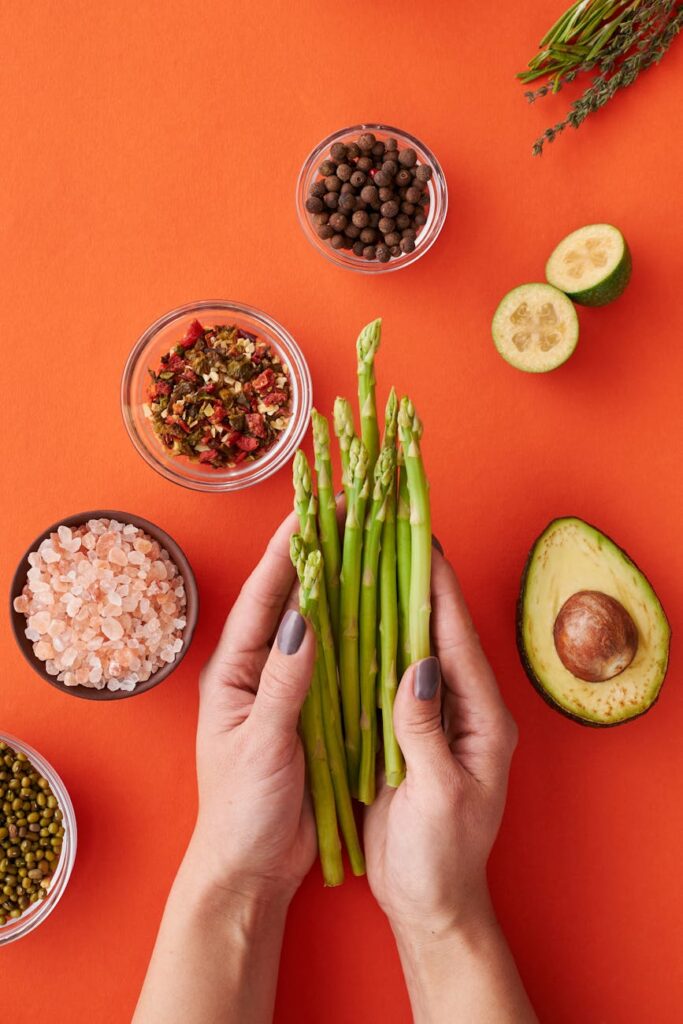
Asparagus (Asparagus officinalis) is characterized by its long, slender stalks topped with tightly closed, scale-like buds. The vegetable can vary in color, with green asparagus being the most common variety. Other types include white asparagus, which is grown underground to prevent photosynthesis, and purple asparagus, known for its slightly sweeter flavor. Asparagus is typically harvested in the spring, and its tender shoots are prized for their delicate flavor and versatility in various culinary applications.
History and Origins
Asparagus has a storied history that dates back over 2,000 years. It is believed to have originated in the Mediterranean region, particularly in parts of modern-day Greece and Italy. Ancient Egyptians cultivated asparagus and revered it for its purported medicinal properties. Documentation from ancient Romans indicates that asparagus was a popular delicacy, served during lavish feasts and believed to enhance vitality and longevity.
Throughout the Middle Ages, asparagus cultivation spread across Europe, becoming a staple in French and Italian cuisines. The vegetable’s popularity continued to rise during the Renaissance, leading to its introduction in North America during the 17th century. Today, asparagus is grown in many countries, with the United States, China, and Peru being among the largest producers.
Production and Processing
Asparagus is typically grown in well-drained, sandy soils with plenty of sunlight. The planting process involves sowing seeds or planting one-year-old crowns in the spring. Asparagus has a long growing season, often taking up to three years before it can be harvested for commercial purposes.
Once harvested, asparagus is processed quickly to ensure maximum freshness. The stalks are usually cut at ground level, and sorting begins immediately. The spears are graded based on their diameter, length, and appearance. The highest quality asparagus is firm, with a vibrant color, and tightly closed tips.
Quality and Grading
The quality of asparagus is determined by several factors, including size, color, and freshness. Grading systems may vary by region but generally categorize asparagus into three main grades:
1. Grade A: The highest quality, featuring uniform size, vibrant color, and no blemishes. These spears are typically 7-10 mm in diameter.
2. Grade B: Slightly smaller and with minor imperfections but still acceptable for consumption.
3. Grade C: Often used for processing, these spears may have significant blemishes, irregular sizes, or are past their peak freshness.
When selecting asparagus, consumers should look for firm stalks that are not limp or wilted, as well as buds that are tightly closed.
Buying Considerations
When purchasing asparagus, there are several factors to consider to ensure quality and freshness:
- Seasonality: Asparagus is typically in season from late winter to early summer, depending on the region. Choosing asparagus during this time guarantees peak freshness and flavor.
- Color: Green asparagus should have a bright, vibrant hue, while white asparagus should be pale and free of blemishes. Purple asparagus should exhibit a deep, rich color.
- Texture: Look for firm stalks with a slight snap when bent. Avoid any spears that feel soft or look wrinkled.
- Source: If possible, buy locally grown asparagus. This not only supports local farmers but also often results in fresher produce.
- Refrigeration: Store asparagus in the refrigerator, ideally in a perforated plastic bag to allow for air circulation.
- Hydration: For optimal freshness, treat asparagus like cut flowers. Trim the ends and place the spears upright in a container with a small amount of water. Cover the tops loosely with a plastic bag. This method can extend freshness for up to a week.
- Freezing: If you have an excess of asparagus, blanching and freezing are recommended. Blanch the spears in boiling water for a few minutes, then immediately place them in ice water. Once cooled, drain and pack in airtight containers before freezing.
- Asparagus is only available in spring: While spring is peak season, asparagus can be found year-round due to global production and greenhouse cultivation.
- All asparagus is the same: The color and variety of asparagus can significantly affect flavor and culinary applications. Green is the most common, but white and purple varieties exist for different tastes and dishes.
- Asparagus causes a strong odor in urine: While it is true that some individuals may notice a distinct smell after consuming asparagus, this is due to a compound called asparagusic acid, which breaks down into sulfur-containing compounds. Not everyone experiences this effect, and it varies from person to person.
Uses and Applications
Asparagus is lauded for its versatility in culinary applications. Common methods of preparation include steaming, grilling, roasting, and sautéing. It can be enjoyed as a side dish, incorporated into salads, or used in stir-fries and pasta dishes. Additionally, asparagus can be pickled or puréed into soups and sauces.
Beyond its culinary uses, asparagus also finds its way into gardening and landscaping. The plant can be cultivated in home gardens, offering a sustainable source of fresh produce. Additionally, its feathery foliage adds aesthetic value to gardens, especially during the growing season.
Storage and Shelf Life
To maintain its freshness, asparagus should be stored properly. Here are some recommended practices:
Common Misconceptions
Despite its popularity, several misconceptions about asparagus persist:
Frequently Asked Questions
1. What nutrients are found in asparagus?
Asparagus is rich in vitamins A, C, E, and K, as well as folate and fiber. It is also low in calories, making it a nutritious addition to a balanced diet.
2. How can I tell if asparagus is fresh?
Fresh asparagus should have vibrant color, firm stalks, and tightly closed tips. Any limpness or browning may indicate that it is past its prime.
3. Can asparagus be eaten raw?
Yes, asparagus can be eaten raw, often found in salads or as a crunchy snack. Young, tender spears are best for raw consumption.
4. How do I prepare asparagus for cooking?
Before cooking, rinse asparagus under cold water to remove any dirt or debris. Trim the tough ends, and depending on the cooking method, you may want to cut the spears into smaller pieces.
5. Is there a difference between male and female asparagus plants?
Yes, male asparagus plants are typically more robust and produce higher yields compared to female plants, which tend to divert energy into seed production. Most commercial growers cultivate male varieties for optimal production.
6. What are some common culinary pairings for asparagus?
Asparagus pairs well with a variety of ingredients, including lemon, garlic, parmesan cheese, and herbs such as thyme and dill. It also complements proteins like chicken, fish, and eggs.
Conclusion
Asparagus is a remarkable ingredient with a rich history, versatile applications, and numerous health benefits. Understanding its origins, production processes, and culinary uses can enhance one’s appreciation for this unique vegetable. Whether enjoyed as a simple side dish or as part of a more complex preparation, asparagus continues to be an essential component of diverse culinary traditions worldwide. Through proper selection and storage, consumers can enjoy the peak flavors and nutritional benefits of this celebrated vegetable throughout the year.