
What Is Bulgur?
Introduction
Bulgur is a whole grain food that has gained recognition worldwide for its versatility, nutritional profile, and rich culinary tradition. Often associated with Middle Eastern cuisine, bulgur is a staple ingredient in various dishes, from salads to pilafs. This article aims to provide an in-depth understanding of bulgur, exploring its history, production, quality considerations, and culinary applications, while also addressing common misconceptions and frequently asked questions.
What Is Bulgur?
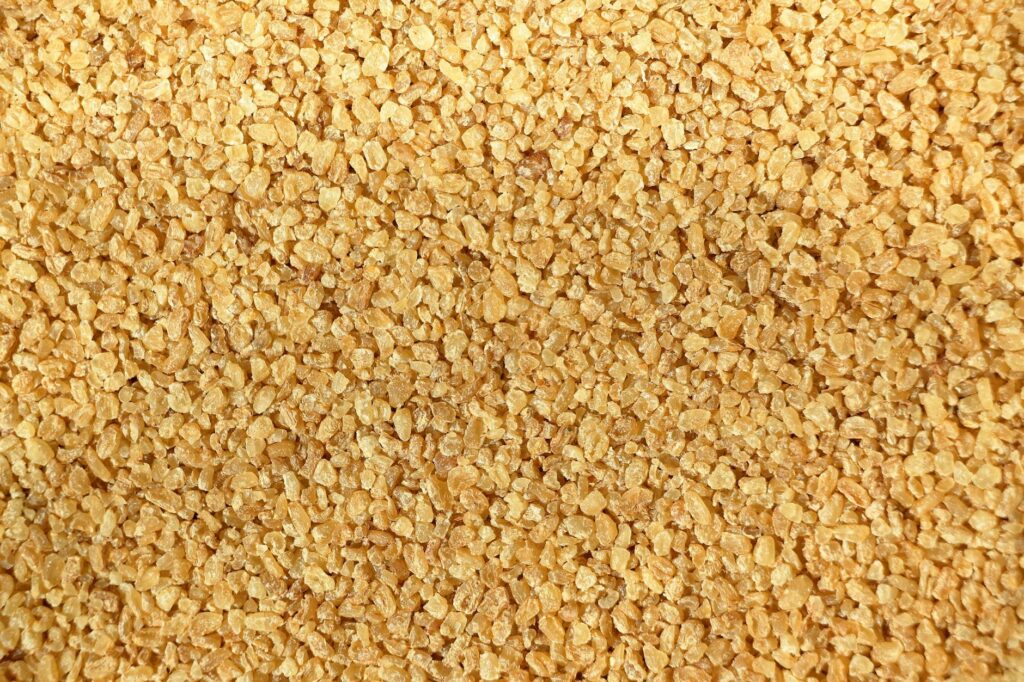
Bulgur is a form of cracked wheat made from durum wheat (Triticum durum) that has been parboiled, dried, and then cracked into various sizes. It is classified as a whole grain because it retains all parts of the grain kernel: the bran, germ, and endosperm. This makes bulgur not only a source of carbohydrates but also rich in fiber, vitamins, and minerals, contributing to its nutritional appeal.
The texture of bulgur can vary from fine to coarse, with the finer varieties often used in salads like tabbouleh and the coarser versions suitable for pilafs and side dishes. Its nutty flavor and chewy texture make bulgur a popular choice for both vegetarian and meat-based recipes.
History and Origins
The history of bulgur can be traced back thousands of years to the Fertile Crescent, a region that encompasses parts of modern-day Turkey, Syria, Lebanon, and Iraq. Archaeological evidence suggests that bulgur was consumed as far back as 4000 BC. The ancient Egyptians, Greeks, and Romans all recognized the nutritional value of this grain, incorporating it into their diets and culinary traditions.
In the Middle East, bulgur has been a staple food for centuries. It is often associated with the Levantine cuisine and plays a significant role in traditional dishes. The spread of bulgur to other regions can be attributed to trade routes and cultural exchanges over time, establishing it as a widely consumed food across various cultures.
Production and Processing
The production of bulgur involves several steps. The process begins with the selection of high-quality durum wheat, which is then cleaned to remove impurities. The wheat grains are then parboiled, a steaming process that helps to gelatinize the starches and preserve nutrients. After parboiling, the wheat is dried and cracked into various sizes, ranging from fine to coarse granules.
The parboiling process is significant as it enhances the grain’s nutritional profile and shelf stability. The cracked wheat is then packaged for distribution, often sold in bulk or pre-packaged bags in grocery stores. The versatility of bulgur is further highlighted by its quick cooking time, often requiring only a brief soaking or boiling, making it an efficient ingredient for home cooks and chefs alike.
Quality and Grading
When it comes to bulgur, quality is paramount. The grading of bulgur is usually determined by several factors, including the size of the grains, the color, and the absence of impurities. High-quality bulgur should have a uniform texture, be free from foreign materials, and have a rich golden-brown color.
The most common gradings of bulgur include fine, medium, and coarse. Fine bulgur is typically used for salads and as a filling, while medium and coarse varieties are suitable for pilafs, stews, and other cooked dishes. Consumers should seek out bulgur that is labeled as “whole grain” to ensure they are getting the nutritional benefits associated with this ingredient.
Buying Considerations
When purchasing bulgur, several considerations can enhance the buying experience:
1. Type: Determine the type of bulgur you need based on your intended use—fine for salads like tabbouleh and coarse for pilafs or side dishes.
2. Packaging: Look for bulgur that is packaged in a way that protects it from moisture and light, which can degrade its quality. Vacuum-sealed or opaque bags are preferable.
3. Source: Consider buying bulgur from reputable brands or specialty stores that focus on whole grains. Organic options may also be available for those seeking to avoid pesticides.
4. Expiration Date: Check for the expiration date to ensure freshness. While bulgur has a long shelf life, it is best consumed within a reasonable period after purchase.
5. Storage Conditions: If possible, inquire about the storage conditions of the bulgur prior to purchase, as improper storage can affect quality.
Uses and Applications
Bulgur’s versatility allows it to be used in a wide range of culinary applications:
- Salads: One of the most famous dishes featuring bulgur is tabbouleh, a refreshing salad made with finely chopped parsley, tomatoes, and a dressing of olive oil and lemon juice. The fine bulgur absorbs the flavors, creating a delightful taste experience.
- Pilafs: Coarse bulgur is ideal for pilafs, where it can absorb the flavors of broths and spices, making it a flavorful base for meat or vegetable dishes.
- Stuffed Vegetables: Bulgur can be used as a filling for stuffed vegetables, providing a hearty texture that complements various ingredients.
- Soups and Stews: Adding bulgur to soups and stews can enhance the nutritional profile while providing a satisfying chewiness.
- Baked Goods: Although less common, bulgur can be incorporated into baked goods, adding a nutty flavor and nutritional benefits to breads and muffins.
- While bulgur is a type of cracked wheat, not all cracked wheat is bulgur. Bulgur is parboiled before being cracked, which distinguishes it from regular cracked wheat.
- Cooking bulgur is simple. Generally, it can be soaked in boiling water or broth for about 15-20 minutes, depending on the size of the bulgur. For finer bulgur, a 1:2 ratio of bulgur to water is usually sufficient.
- Yes, bulgur can be eaten raw after soaking in water or broth for a while, making it ideal for salads like tabbouleh.
- Yes, bulgur is considered a whole grain as it contains all parts of the grain kernel.
- Alternatives to bulgur include quinoa, couscous, and farro, which can be used in similar applications, although they may offer different flavors and textures.
- Bulgur tends to be higher in fiber and protein compared to white rice, making it a more nutritious option. Its preparation time is also shorter, as it cooks more quickly than rice.
Storage and Shelf Life
Proper storage of bulgur is essential to maintain its quality and freshness. Bulgur should be stored in a cool, dry place, ideally in an airtight container to protect it from moisture and pests. When stored correctly, bulgur can last for up to a year or more.
For longer shelf life, consider refrigerating or freezing bulgur. When stored in the refrigerator, it can maintain its quality for several years. Before using bulgur that has been stored for an extended period, inspect it for any off odors or signs of spoilage.
Common Misconceptions
Despite its popularity, several misconceptions about bulgur persist:
1. Bulgur is gluten-free: This is incorrect. Bulgur is made from wheat and contains gluten, making it unsuitable for those with celiac disease or gluten intolerance.
2. Bulgur is a type of rice: While bulgur may be used as a substitute for rice in some dishes, it is fundamentally a wheat product and should not be confused with rice.
3. Bulgur is unhealthy: On the contrary, bulgur is a nutritious whole grain that is high in fiber and low in fat. It can be part of a balanced diet when consumed in moderation.
4. All bulgur is the same: Bulgur varies in texture, flavor, and culinary applications depending on its size and processing. Understanding these differences is crucial for optimal use in cooking.
Frequently Asked Questions
1. Is bulgur the same as cracked wheat?
2. How do you cook bulgur?
3. Can bulgur be eaten raw?
4. Is bulgur a whole grain?
5. What are some alternatives to bulgur?
6. How does bulgur compare to rice?
In conclusion, bulgur is a multifaceted ingredient that holds a prominent place in culinary traditions around the world. Its rich history, nutritional benefits, and diverse applications make it a valuable addition to any kitchen. Understanding bulgur in its entirety—from its origins to its uses—enriches our appreciation of this ancient grain, allowing it to shine in contemporary cuisine.