
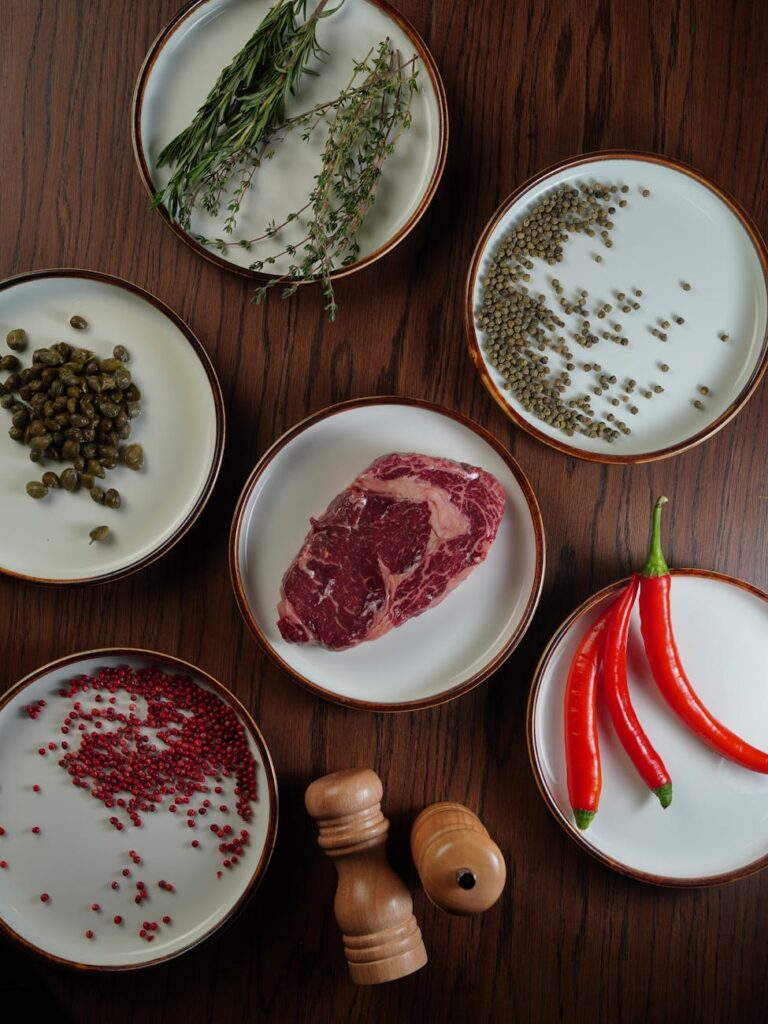
What Is Capers?
Introduction
Capers are a distinctive culinary ingredient that has captivated chefs and home cooks alike for centuries. These small, green flower buds, typically pickled in brine, add a burst of tangy flavor to a wide variety of dishes, enhancing everything from Mediterranean cuisine to contemporary gourmet plates. In this article, we will explore the multifaceted nature of capers, delving into their history, production, uses, and more, to provide a comprehensive understanding of this unique ingredient.
What Is About?
Capers are the unopened flower buds of the Capparis spinosa plant, commonly known as the caper bush. They are harvested before they bloom, typically in late spring and early summer when their flavor is at its peak. Once picked, capers are often preserved through brining, pickling, or drying. The flavor profile of capers is characterized by a sharp, tangy, and slightly salty taste, which can vary based on their size and preparation method.
In culinary terms, capers are classified primarily into two categories: nonpareil (the smallest and most prized), and larger varieties such as caperberries, which are the fruit of the caper bush and are usually harvested later than the buds. Understanding these distinctions is crucial for chefs and food enthusiasts seeking to utilize capers effectively in their dishes.
History and Origins
The history of capers is rich and intertwined with that of Mediterranean cuisine. The caper bush is believed to have originated in the Mediterranean region, with evidence of its use dating back to ancient civilizations, including the Greeks and Romans. Capers were highly valued not only for their culinary applications but also for their purported medicinal properties. They were used in ancient herbal remedies for a variety of ailments.
The plant thrives in arid, rocky environments, which made it a staple in coastal regions, where it was cultivated and gathered. As trade routes expanded, capers found their way into various cuisines across Europe and the Middle East. Today, the primary producers of capers include countries like Italy, Spain, and Turkey, where the favorable climate continues to support their cultivation.
Production and Processing
The production of capers begins with the careful cultivation of the caper bush, which can reach heights of up to three feet. The buds are typically harvested by hand, requiring skill and precision, as the delicate flowers must be picked at the right moment to ensure optimal flavor.
After harvesting, capers undergo several processing methods. The most common method is brining, where the buds are soaked in a saltwater solution. This process not only preserves the capers but also enhances their unique flavor profile. Some capers are also pickled in vinegar, which can add an extra layer of complexity to their taste. Dried capers are another option, often used in dishes where a concentrated flavor is desired.
Quality control is essential during production. Factors such as size, firmness, and flavor intensity are evaluated to ensure that only the best capers make it to market. This attention to detail contributes to the high quality that capers are known for in culinary applications.
Quality and Grading
Capers are graded based on their size and firmness, with the smallest and most tender buds being the most sought after. The grading system typically categorizes capers as follows:
- Nonpareil: The smallest and most prized capers, known for their delicate flavor and firm texture.
- Surfines: Slightly larger than nonpareil but still considered high quality.
- Capotes: Larger capers that may not have the same intensity of flavor as smaller varieties.
- Caperberries: The fruit of the caper bush, harvested after the flowers bloom. These are larger and often used as a garnish or in salads.
- Salads: Capers can elevate simple green salads or grain-based salads, adding a piquant note.
- Sauces: They are often incorporated into sauces such as tartar sauce, puttanesca, and various vinaigrettes.
- Seafood Dishes: Capers pair beautifully with fish, particularly in Mediterranean cuisine. They are a classic accompaniment to dishes like sole meunière or pasta with anchovies.
- Meat Preparations: They can enhance the flavor of roasted or grilled meats, particularly when combined with herbs and spices.
- Garnishes: Caperberries are often used as a garnish for cocktails, salads, and antipasto platters, providing both visual appeal and a burst of flavor.
When purchasing capers, it is advisable to look for those that have been labeled according to these categories, as quality can significantly affect the taste and overall experience of a dish.
Buying Considerations
When buying capers, several factors should be taken into consideration to ensure you choose the best product for your culinary needs:
1. Type: Decide whether you prefer whole capers, caperberries, or capers in brine, vinegar, or dried form.
2. Quality: Look for products that specify their grading. Nonpareil capers are generally considered the best choice for gourmet dishes.
3. Packaging: Examine the packaging for freshness. Glass jars are often preferred, as they allow you to see the product and prevent spoilage.
4. Origin: While capers are cultivated in various regions, those from Italy and Spain are often regarded as superior in quality.
5. Additives: Check the ingredient list for any unnecessary additives or preservatives. High-quality capers typically contain only capers, salt, and possibly vinegar.
Uses and Applications
Capers are extremely versatile and can be used in a variety of culinary applications. Their tart and briny flavor profile makes them an excellent addition to:
Capers should be added judiciously, as their intense flavor can easily overpower a dish. A little goes a long way