
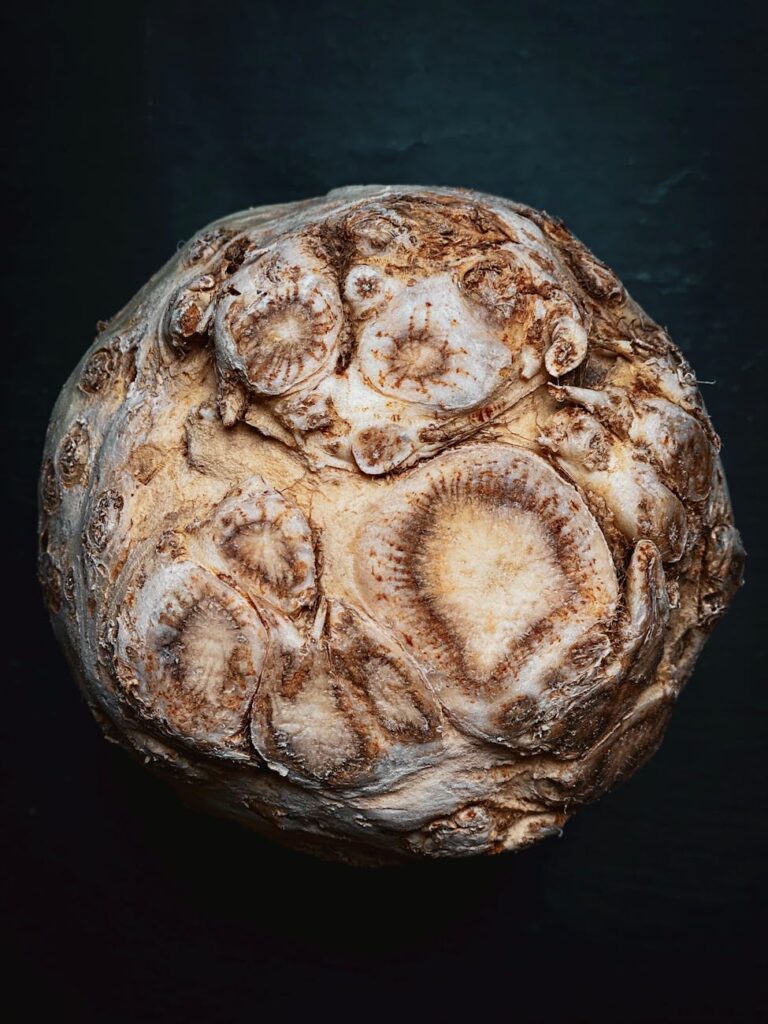
What Is Celeriac?
Introduction
Celeriac, also known as celery root or knob celery, is a unique root vegetable belonging to the Apiaceae family, which also includes carrots, parsley, and fennel. While it may not be as widely recognized as its leafy counterpart, celeriac boasts a rich history and a plethora of culinary applications. This article delves into the essence of celeriac, exploring its origins, production, uses, and much more to provide a comprehensive understanding of this intriguing ingredient.
What Is Celeriac?
Celeriac is the bulbous root of the Apium graveolens var. rapaceum, a variety of celery cultivated specifically for its edible root. The vegetable is characterized by its rough, knobby exterior, which can vary in color from light brown to beige. Inside, the flesh is creamy white with a firm texture, offering a subtle, earthy flavor profile reminiscent of celery but with more depth and a hint of nuttiness.
Celeriac is often used in a variety of culinary contexts. It can be consumed raw in salads, roasted, mashed, or used as a base for soups and stews. Its versatility and unique flavor make it a favorite among chefs and home cooks alike.
History and Origins
Celeriac has a storied history that dates back to antiquity. Originating in the Mediterranean region, it was initially cultivated in ancient Greece and Rome, where it was valued both for its culinary properties and medicinal qualities. Historical texts suggest that celeriac was used by the Romans in various dishes and was prized for its ability to enhance flavors.
During the Middle Ages, celeriac gained popularity across Europe, particularly in France, where it became a staple in many traditional dishes. Its cultivation spread throughout Europe and beyond, eventually making its way to North America in the 19th century. Today, celeriac is cultivated in many regions around the world, including Europe, North America, and parts of Asia.
Production and Processing
The cultivation of celeriac requires a temperate climate and well-drained, fertile soil. Typically grown as a biennial plant, celeriac is sown in spring and harvested in late fall or early winter. The growing process involves careful management of water and nutrients to ensure healthy root development.
Celeriac is often grown alongside other crops in a practice known as companion planting, which can help deter pests and improve soil health. Once harvested, the roots are cleaned to remove soil and debris, and they are often trimmed to enhance their marketability.
In commercial production, celeriac may undergo various processing methods to enhance its shelf life and usability. This can include washing, peeling, and cutting into various shapes and sizes for convenience in culinary applications.
Quality and Grading
Quality and grading standards for celeriac generally focus on appearance, size, and firmness. High-quality celeriac should have a smooth, unblemished exterior and a firm texture. Grading is often based on the absence of blemishes, rot, or soft spots, which can indicate spoilage.
In the marketplace, celeriac is typically sold by weight. The size of the celeriac can vary, but it is generally preferred to select medium to large roots, which tend to have a better flavor and texture. Organic celeriac is also available, catering to consumers interested in sustainably grown produce.
Buying Considerations
When purchasing celeriac, several factors should be taken into account to ensure optimal quality and flavor.
1. Appearance: Look for celeriac with a firm, heavy feel and minimal blemishes. The skin should be free from soft spots and discoloration.
2. Size: While celeriac comes in various sizes, medium to large roots are often preferred for their flavor and texture.
3. Freshness: Choose celeriac that feels heavy for its size, as this indicates freshness. The leaves, if attached, should be vibrant and green.
4. Organic Options: Consider purchasing organic celeriac to avoid potential pesticide residues and support sustainable farming practices.
5. Seasonality: Celeriac is typically in season from late fall to early spring, so buying within this window can enhance the likelihood of freshness.
Uses and Applications
Celeriac’s unique flavor profile and versatility lend themselves to a wide range of culinary applications.
1. Raw: When grated or thinly sliced, celeriac can add a crunchy texture to salads and slaws. Its mild flavor pairs well with various dressings and accompaniments.
2. Cooked: Celeriac can be roasted, mashed, or puréed. Its ability to absorb flavors makes it an excellent addition to soups, stews, and casseroles.
3. Substitution: Celeriac can serve as a low-carb alternative to potatoes in various dishes. It can be used in gratins, chips, or even as a base for creamy soups.
4. Flavoring Agent: Celeriac can be used to create flavorful stocks and broths, enhancing the overall taste of the dish.
5. Garnish: Thinly sliced or julienned celeriac can be used as a garnish, adding visual appeal and texture to plated dishes.
Storage and Shelf Life
Proper storage is essential to maintain the quality and freshness of celeriac. When stored correctly, celeriac can last several weeks, making it an excellent choice for home cooks.
1. Refrigeration: Store celeriac in a cool, dark place, preferably in the crisper drawer of your refrigerator. It is best to keep it unpeeled until ready to use to prolong its shelf life.
2. Moisture Control: Celeriac should be kept in a breathable bag or wrapped in a damp