
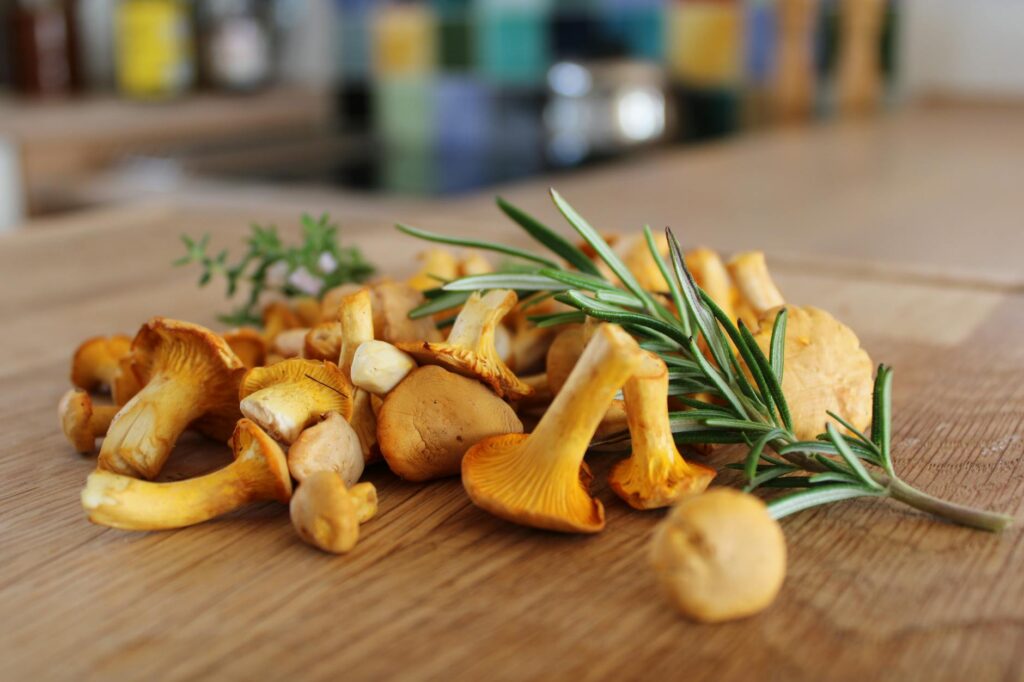
What Are Chanterelle Mushrooms?
Introduction
Chanterelle mushrooms, known for their distinctive golden hue and delicate flavor, are a prized ingredient in culinary circles around the world. These fungi are not merely an addition to a dish; they embody a rich history, a unique growing environment, and a variety of uses that elevate them to gourmet status. This article explores the multifaceted nature of chanterelle mushrooms, delving into their history, production, culinary applications, and much more.
What Is About?
Chanterelle mushrooms (genus Cantharellus) are a group of edible fungi that are widely recognized for their trumpet-like shape and vibrant yellow to orange colors. These mushrooms have a firm texture and a fruity, peppery flavor profile that sets them apart from other varieties. They can be found in various regions across the globe, often thriving in temperate forests. Chanterelles are typically foraged rather than cultivated, adding to their allure and perceived rarity.
History and Origins
The history of chanterelle mushrooms dates back centuries, with evidence of their consumption found in various ancient cultures. The earliest recorded uses can be traced to European countries where foraging was a common practice. In France, chanterelles have been celebrated since the Middle Ages, often found in the wild and incorporated into local cuisines.
The name “chanterelle” is derived from the French word “chanter,” meaning “to sing,” which may refer to the mushroom’s vibrant appearance. In the 18th century, mycologists began classifying mushrooms scientifically, and chanterelles were placed in the genus Cantharellus.
Chanterelles were also embraced by indigenous communities in North America, who recognized their culinary value and foraged them from the wild. Today, these mushrooms have gained international popularity, becoming a staple in gourmet cooking and fine dining.
Production and Processing
Chanterelle mushrooms are primarily harvested in the wild, making them a seasonal delicacy. They typically grow in symbiotic relationships with specific tree species, such as oak, pine, and spruce. The mycelium of the chanterelle interacts with the roots of these trees, forming a mutualistic relationship that benefits both parties.
Foraging for chanterelles requires skill and knowledge, as several look-alikes exist, some of which can be toxic. Experienced foragers often rely on local guides or detailed field guides to identify the correct species. Harvesting is generally done by hand to minimize damage to the surrounding ecosystem.
Once harvested, chanterelles undergo minimal processing. They are usually cleaned gently to remove dirt and debris, as excessive washing can compromise their texture. Depending on the market demand, they may be sold fresh, dried, or canned. Each method of preservation has its unique attributes, with dried chanterelles offering a concentrated flavor that can be reconstituted in various dishes.
Quality and Grading
The quality of chanterelle mushrooms is determined by several factors, including size, color, texture, and aroma. Fresh chanterelles should have a vibrant color, firm texture, and a pleasant, fruity scent. The absence of blemishes or signs of decay is crucial for high-quality specimens.
Grading systems can vary by region, but typically, chanterelles are categorized into different grades based on their size and appearance. Higher grades are generally reserved for larger, uniform mushrooms with minimal imperfections. In gourmet markets, these top-quality chanterelles command a premium price, while smaller or less visually appealing specimens may be more accessible.
Buying Considerations
When purchasing chanterelle mushrooms, several factors should be taken into account to ensure quality and freshness.
1. Source: Whenever possible, buy from reputable suppliers or local farmers’ markets where the mushrooms are freshly foraged.
2. Appearance: Look for firm, plump chanterelles with a bright color. Avoid mushrooms that appear slimy or discolored.
3. Aroma: A fresh, earthy scent is a good indicator of quality. If the mushrooms emit a sour or off-putting smell, it’s best to avoid them.
4. Seasonality: Chanterelles are typically available from late spring to early autumn, depending on the region. Be mindful of seasonal availability to ensure you are purchasing fresh product.
5. Storage Conditions: Inquire about how the mushrooms have been stored. Proper refrigeration is important for maintaining freshness.
Uses and Applications
Chanterelle mushrooms are incredibly versatile and can be utilized in a variety of culinary applications. Their unique flavor profile makes them a favorite among chefs and home cooks alike.
Culinary Applications
1. Sautéing: Chanterelles can be sautéed with butter and herbs, allowing their natural flavors to shine. This method preserves their delicate texture while adding depth to a dish.
2. Soups and Stocks: Incorporating chanterelles into soups enhances the overall flavor profile. Their earthy notes complement a range of ingredients, from vegetables to meats.
3. Sauces: Chanterelles can be reduced in sauces, enriching the dish with their unique taste. They pair well with cream-based sauces and can elevate simple pasta dishes.
4. Garnishes: Chanterelles can also serve as a visually appealing garnish, adding color and flavor to plates.
5. Dried Applications: Dried chanterelles are often rehydrated and used in risottos, pilafs, and casseroles, where they impart a concentrated umami flavor.
Pairings
Chanterelles pair well with a variety of ingredients, including:
- Proteins: Chicken, duck, and fish are excellent companions in dishes that feature chanterelles.
- Vegetables: Root vegetables, asparagus, and greens provide a harmonious balance when combined with these mushrooms.
- Herbs and Spices: Thyme, parsley, and garlic enhance the inherent flavors of chanterelles.
Storage and Shelf Life
Fresh chanterelle mushrooms should be stored in a paper bag in the refrigerator to allow for proper air circulation. Avoid plastic bags, as they can trap moisture and lead to spoilage. Under optimal conditions, fresh chanterelles can last for about 5 to 7 days.
Dried chanterelles, on the other hand, have a much longer shelf life, often exceeding a year when stored in a cool, dry place in an airtight container. They should be rehydrated before use, typically by soaking in warm water or broth.
Common Misconceptions
Despite their popularity, several misconceptions about chanterelle mushrooms persist:
1. Cultivation: Many believe that chanterelles can be easily cultivated, but they require specific environmental conditions and symbiotic relationships with certain trees, making them difficult to farm commercially.
2. Toxicity: While there are mushrooms that resemble chanterelles, not all are toxic. However, inexperienced foragers should exercise caution and seek guidance to avoid mistakes.
3. Flavor Comparison: Some people assume all mushrooms have similar flavors. Chanterelles are distinctively fruity and peppery, setting them apart from common varieties like button or portobello mushrooms.
Frequently Asked Questions
1. Are chanterelle mushrooms safe to eat?
Yes, chanterelle mushrooms are widely regarded as safe to eat, provided they are correctly identified. Always ensure you are foraging or purchasing from reputable sources.
2. How can I tell if chanterelles are fresh?
Fresh chanterelles should have a firm texture, vibrant color, and a pleasant, earthy aroma. Avoid those that appear slimy or discolored.
3. Can I grow chanterelle mushrooms at home?
Chanterelles are challenging to cultivate due to their specific growing requirements and symbiotic relationships with certain trees. They are typically foraged in the wild.
4. What do chanterelle mushrooms taste like?
Chanterelles have a unique flavor profile that is often described as fruity and peppery, making them a favorite in gourmet cooking.
5. How should I store fresh chanterelles?
Store fresh chanterelles in a paper bag in the refrigerator, where they can last for 5 to 7 days. Avoid plastic bags to prevent moisture buildup.
6. Can I use dried chanterelles in my cooking?
Absolutely! Dried chanterelles can be rehydrated and used in various dishes, adding intense flavor to soups, sauces, and risottos.
Conclusion
Chanterelle mushrooms are not just a culinary delight; they are a symbol of the natural world’s richness and complexity. Their unique flavor, versatile applications, and fascinating history make them a treasured ingredient for chefs and food enthusiasts alike. Understanding the nuances of chanterelle mushrooms—from their origins to their culinary uses—enriches the appreciation of this remarkable fungus. Whether foraged in the wild or sourced from high-quality suppliers, chanterelles continue to inspire creativity and elevate dishes in kitchens around the globe.