
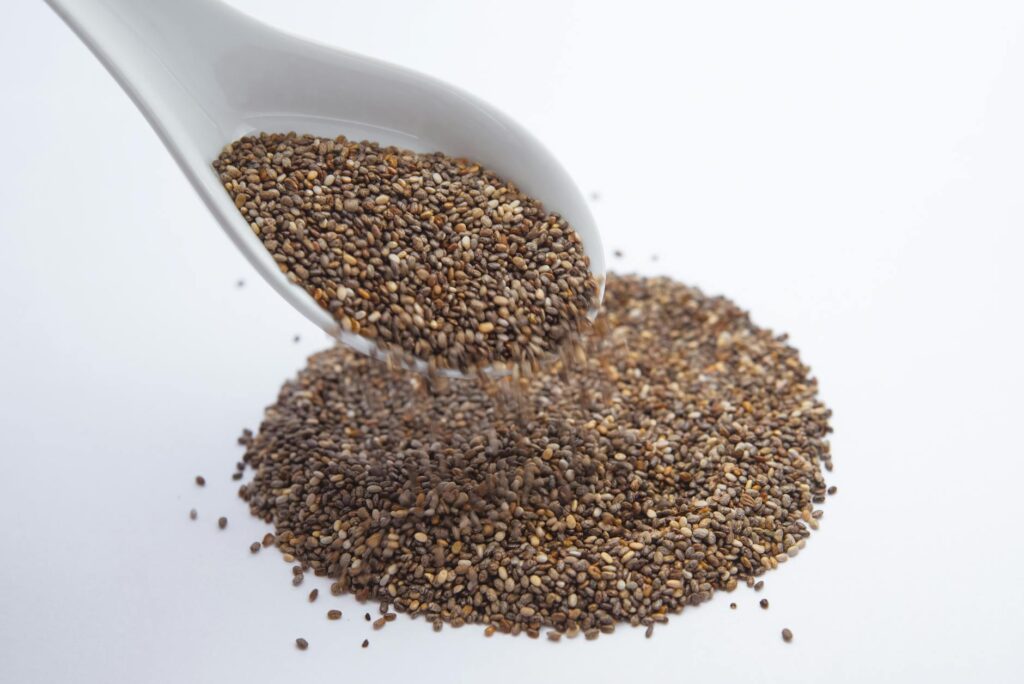
What Is Chia Seeds?
Introduction
Chia seeds, tiny black or white seeds derived from the Salvia hispanica plant, have gained significant popularity in the culinary world and health circles alike. Known for their impressive nutritional profile and unique gel-like texture when soaked in liquid, chia seeds are celebrated for their versatility and numerous applications in various cuisines. This article delves into the multifaceted aspects of chia seeds, exploring their history, production methods, quality standards, and more.
What Is About?
Chia seeds are small, nutrient-dense seeds that belong to the mint family, Lamiaceae. They contain a wealth of essential nutrients including omega-3 fatty acids, fiber, protein, and various micronutrients. These seeds are predominantly grown in Mexico and South America, where they were originally a staple food for ancient civilizations. Due to their ability to absorb water and create a gel-like consistency, chia seeds have seen a resurgence in popularity as a health food ingredient, frequently featured in smoothies, puddings, and baked goods.
History and Origins
The origins of chia seeds can be traced back to ancient Mesoamerica, where they were cultivated and consumed by the Aztecs and Mayans. The word “chia” itself is derived from the Mayan word for “strength,” highlighting its significance as a source of nourishment. Historically, these seeds were not only used for food but also held cultural and medicinal value.
During the Spanish conquest in the 16th century, chia cultivation waned due to the introduction of more commercially viable crops. However, in the late 20th century, chia seeds experienced a renaissance as health experts began recognizing their nutritional benefits. Today, they are cultivated primarily in countries like Mexico, Argentina, and Bolivia, where the climate is conducive to their growth.
Production and Processing
Chia seeds are produced from the flowering plant Salvia hispanica, which thrives in warm climates with well-drained soil. The production process begins with planting the seeds in late spring or early summer. The plants require minimal water and can grow in various soil types, making them a sustainable crop.
Once harvested, chia seeds undergo a thorough cleaning and drying process to ensure quality. They are then packaged for distribution. The seeds are often available in two forms: whole and ground, each offering unique benefits. Whole seeds maintain their integrity and can be used in various culinary applications, while ground chia seeds can be incorporated into recipes for a smoother texture and easier digestibility.
Quality and Grading
Quality and grading of chia seeds are essential factors to consider when purchasing. The primary criteria for evaluating chia seed quality include:
- Color: High-quality chia seeds are typically black or white, with a consistent color throughout.
- Size: Uniformity in size indicates careful processing and sorting.
- Moisture Content: Low moisture levels are crucial to prevent spoilage and extend shelf life.
- Contaminants: Chia seeds should be free from impurities, including foreign seeds, dirt, and mold.
- Source: Opt for seeds from reputable suppliers who prioritize sustainable farming practices.
- Form: Decide between whole or ground chia seeds based on intended use. Whole seeds retain their nutrients longer, while ground seeds may be easier to incorporate into certain recipes.
- Packaging: Look for vacuum-sealed or opaque packaging to protect the seeds from light and moisture, which can degrade quality.
- Expiration Date: Freshness is key; always check the expiration date to ensure the seeds are viable.
- Thickening Agent: When mixed with liquid, chia seeds absorb water and swell, forming a gel-like consistency. This property makes them an excellent thickening agent for smoothies, puddings, and sauces.
- Baking: Chia seeds can be added to baked goods such as bread, muffins, and cookies for added texture and nutrition. They can also serve as an egg substitute in vegan baking when mixed with water.
- Toppings: Whole or toasted chia seeds can add a delightful crunch as a topping for salads, yogurt, or oatmeal.
- Beverages: Chia seeds are often incorporated into drinks, including smoothies and health tonics, providing a nutrient boost and unique texture.
- Cool, Dry Place: Store chia seeds in an airtight container in a cool, dry place. Avoid exposure to heat and humidity, which can cause them to spoil.
- Refrigeration: For optimal freshness, especially once opened, chia seeds can be refrigerated. This is particularly useful for ground chia seeds, which may have a shorter shelf life due to increased surface area.
- Shelf Life: Whole chia seeds typically have a shelf life of about 2 to 4 years when stored properly, while ground chia seeds may last about 6 months to a year.
- Chia Seeds Are a Miracle Food: While chia seeds are nutritious, they are not a cure-all or miracle food. A balanced diet and lifestyle are essential for overall health.
- Chia Seeds Can Replace All Nutrients: Though high in omega-3s and fiber, chia seeds should complement a diverse diet rather than replace other essential food groups.
- Chia Seeds Are Only for Health Enthusiasts: Chia seeds can be a valuable addition to any diet, regardless of health status. Their versatility makes them accessible to a wide range of consumers.
Regulatory bodies in various countries, such as the USDA in the United States, have established grading systems to help consumers identify premium chia seeds. Buyers should look for certifications from reputable sources to ensure they are purchasing high-quality products.
Buying Considerations
When purchasing chia seeds, several factors should be taken into account:
Chia seeds can be found in health food stores, supermarkets, and online retailers. As their popularity has surged, they are now widely available in various formats, including organic and non-GMO options.
Uses and Applications
Chia seeds are incredibly versatile and can be used in a variety of culinary applications. Some of the most common uses include:
As consumers continue to explore plant-based diets, the incorporation of chia seeds into traditional and contemporary dishes is likely to expand further.
Storage and Shelf Life
Proper storage of chia seeds is essential for maintaining their quality and extending shelf life. Here are some key guidelines:
Regularly check for any off odors, changes in texture, or discoloration, as these could indicate spoilage.
Common Misconceptions
Despite their popularity, several misconceptions about chia seeds persist:
Understanding the facts about chia seeds can help consumers make informed dietary choices.
Frequently Asked Questions
1. Are chia seeds gluten-free?
Yes, chia seeds are naturally gluten-free, making them a suitable option for individuals with gluten sensitivities or celiac disease.
2. How do you prepare chia seeds for consumption?
Chia seeds can be consumed raw, soaked in liquid, or ground. To soak, combine 1 part chia seeds with 4 parts liquid and let sit for at least 30 minutes until they form a gel.
3. Can chia seeds be eaten daily?
Yes, many people incorporate chia seeds into their daily diet. However, moderation is key, as excessive consumption can lead to digestive discomfort due to their high fiber content.
4. Do chia seeds need to be ground to digest properly?
While whole chia seeds can be digested, grinding them may enhance nutrient absorption. Whole seeds may pass through the digestive system without fully releasing their nutrients.
5. Are all chia seeds the same?
Chia seeds can vary in quality based on their source, processing methods, and storage conditions. Always opt for high-quality seeds from reputable suppliers.
6. Can chia seeds help with weight loss?
Chia seeds are often included in weight-loss diets due to their high fiber content, which can promote a feeling of fullness. However, they should be part of a balanced diet and not relied upon solely for weight loss.
Conclusion
Chia seeds are a remarkable ingredient with a rich history, impressive nutritional benefits, and versatile applications in modern cuisine. Understanding their origins, production, storage, and potential misconceptions can empower consumers to incorporate this superfood into their diets effectively. As the demand for nutritious and sustainable food options continues to grow, chia seeds are poised to remain a staple in health-conscious culinary practices around the world.