
What Is Cilantro?
Introduction
Cilantro, also known as coriander in many parts of the world, is a versatile herb that has garnered attention in culinary circles for its distinctive flavor and aroma. Its vibrant green leaves and delicate stems are commonly used in a variety of cuisines, ranging from Thai and Indian to Mexican and Mediterranean. This article delves into the multifaceted world of cilantro, exploring its origins, production, culinary uses, and much more.
What Is Cilantro?
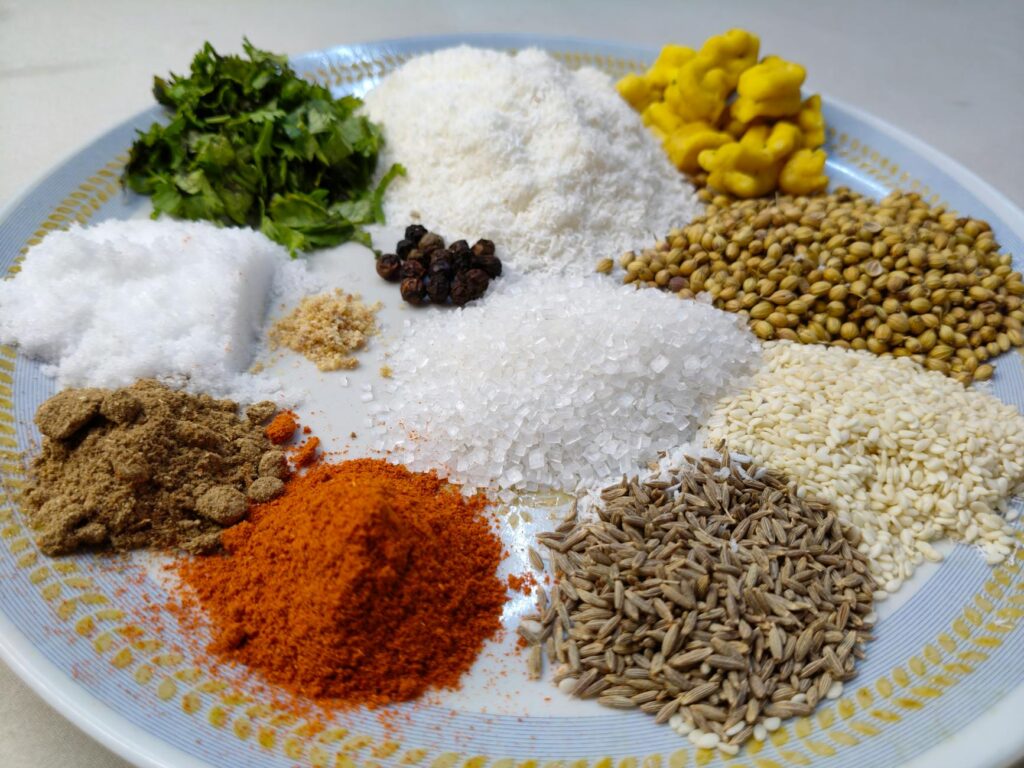
Cilantro (Coriandrum sativum) is an herb belonging to the Apiaceae family, which also includes carrots, celery, and parsley. The term “cilantro” typically refers to the fresh leaves and stems of the plant, while “coriander” is used to describe the seeds. This dual nomenclature can sometimes lead to confusion, but it is essential to understand that both components of the plant are used in different culinary contexts.
Cilantro is characterized by its flat, green leaves and a unique flavor profile that is often described as citrusy, fresh, and slightly peppery. Its aroma has been a topic of debate, as some people find it invigorating while others perceive it as soapy, a phenomenon attributed to genetic factors.
History and Origins
Cilantro has a rich history that spans thousands of years. The herb is believed to have originated in the Mediterranean region and has been cultivated since ancient times. Archaeological evidence suggests that cilantro was used as early as 5,000 BCE in the Middle East. The herb is mentioned in various historical texts, including the Bible, where it is referred to as “coriander seed.”
As trade routes expanded, cilantro made its way into Asian, African, and eventually the Americas. Today, it is a staple in many global cuisines, reflecting its adaptability and popularity. In Mexico, for instance, cilantro is an integral component of salsa, while in Asian cooking, it is often used as a garnish for soups and curries.
Production and Processing
Cilantro is primarily grown in temperate regions around the world, thriving in well-drained soil with ample sunlight. Major producers include the United States, Mexico, India, and China. The plant typically reaches maturity within three to four weeks, making it a quick-growing herb that can be harvested multiple times in one growing season.
After harvesting, cilantro is usually washed and trimmed before being packaged for distribution. In some cases, it may also be dried or frozen to extend its shelf life. However, drying can significantly alter the flavor profile, making fresh cilantro the preferred choice for culinary applications.
Quality and Grading
The quality of cilantro can vary based on several factors, including cultivation methods, harvest time, and storage conditions. When evaluating cilantro, look for vibrant green leaves that are free from yellowing or wilting. The stems should be firm and not overly woody. Fresh cilantro should exude a strong, aromatic fragrance, indicative of its essential oils.
Grading systems for cilantro may vary by region, but generally, higher grades will have more robust flavor and aroma. In commercial settings, cilantro is often classified based on size, leaf shape, and overall freshness.
Buying Considerations
When purchasing cilantro, consider the following factors to ensure you select the best quality:
- Freshness: Look for bright green leaves without dark spots or wilting. Fresh cilantro is typically sold in bunches or pre-packaged.
- Source: If possible, buy cilantro from local farmers’ markets or organic sources to support sustainable practices and reduce the carbon footprint associated with transportation.
- Seasonality: Cilantro is generally available year-round, but its peak season may vary based on geographical location. In regions with milder winters, cilantro can be cultivated in the fall and spring.
- Organic vs. Conventional: Organic cilantro is grown without synthetic pesticides and fertilizers, which may appeal to health-conscious consumers. However, conventional cilantro is also widely available and can be a cost-effective option.
- Garnish: Fresh cilantro is often used as a garnish for soups, salads, and main dishes, adding a burst of color and flavor.
- Salsas and Sauces: In Mexican cuisine, cilantro plays a crucial role in salsas, guacamole, and various sauces, enhancing the overall taste profile.
- Marinades and Dressings: Cilantro can be blended into marinades and dressings, imparting a fresh, herbal note that complements proteins and vegetables.
- Soups and Curries: In Asian cooking, cilantro is frequently used in soups and curries, contributing to complex flavor layers.
- Beverages: Some cocktails and beverages, such as mojitos, also incorporate cilantro for an aromatic twist.
- Refrigeration: Store cilantro in the refrigerator, either wrapped in a damp paper towel or in a container with a small amount of water. This method helps retain moisture and prevents wilting.
- Freezing: Cilantro can be frozen for longer preservation. Chop the leaves and place them in an ice cube tray filled with water or olive oil. Once frozen, transfer the cubes to a freezer bag for future use.
- Drying: While not recommended for retaining the herb’s full flavor, drying cilantro can be done by hanging it upside down in a dark, dry place. Once dried, store it in an airtight container.
Uses and Applications
Cilantro is celebrated for its versatility in the culinary world. Here are some of its primary uses:
Its unique flavor and aroma can elevate dishes, making cilantro an essential ingredient in various culinary traditions.
Storage and Shelf Life
Proper storage is critical to maintaining cilantro’s freshness. Here are some effective methods:
Fresh cilantro typically lasts about one week in the refrigerator, while frozen cilantro can last for several months.
Common Misconceptions
Cilantro is often surrounded by myths and misconceptions. Here are a few clarifications:
1. Cilantro and Coriander Are the Same: While cilantro refers to the leaves and stems, coriander refers to the seeds. Both are derived from the same plant but have distinct flavors and uses.
2. Cilantro is Only Used in Mexican Cuisine: Although cilantro is a key ingredient in Mexican cooking, it is widely used in various global cuisines, including Indian, Middle Eastern, and Asian dishes.
3. Everyone Loves Cilantro: The perception of cilantro’s flavor is highly subjective. Genetic factors influence how individuals perceive its taste and aroma, leading some to enjoy it while others find it unpalatable.
4. Cilantro is an Invasive Plant: While cilantro does self-seed and can spread, it is not classified as an invasive species. In fact, it can be beneficial in gardens as a companion plant, attracting beneficial insects.
Frequently Asked Questions
1. What is the difference between cilantro and coriander?
Cilantro refers to the fresh leaves and stems of the Coriandrum sativum plant, while coriander refers to the seeds. Both parts have different culinary uses.
2. How can I tell if cilantro is fresh?
Fresh cilantro will have vibrant green leaves, firm stems, and a strong aromatic fragrance. Avoid cilantro that appears wilted, yellowed, or has dark spots.
3. Can I grow cilantro at home?
Yes, cilantro can be easily grown at home in pots or garden beds. It thrives in well-drained soil with plenty of sunlight and can be harvested in as little as three weeks.
4. Is cilantro safe to eat raw?
Yes, cilantro is commonly used raw in salads, salsas, and as a garnish. Make sure to wash it thoroughly to remove any dirt or pesticides.
5. How can I reduce the strong flavor of cilantro in a dish?
If cilantro is too overpowering, consider using it in smaller quantities or balancing its flavor with other herbs or ingredients, such as lime juice or yogurt.
6. Can I substitute parsley for cilantro?
While parsley can be used as a substitute in some dishes, it has a milder flavor and lacks the distinct citrusy notes of cilantro. Use sparingly to maintain the intended flavor profile.
Conclusion
Cilantro is much more than just a garnish; it is a culinary treasure that brings a unique flavor and aroma to a myriad of dishes across various cuisines. Understanding its origins, production, and applications can enhance your appreciation for this remarkable herb. As you explore the world of cilantro, you will find that its versatility continues to inspire chefs and home cooks alike, making it a beloved ingredient in kitchens around the globe.