
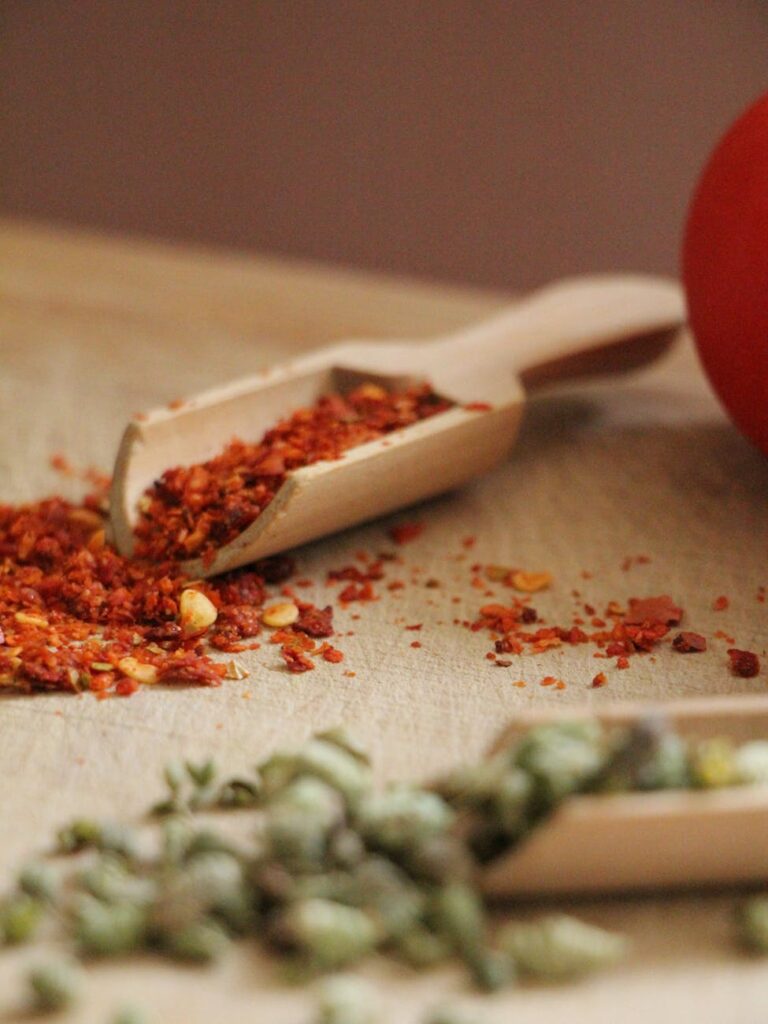
What Is Dulse?
Introduction
Dulse, scientifically known as Palmaria palmata, is a red algae that has captivated culinary enthusiasts and health-conscious consumers alike. Often found along the rocky shores of the North Atlantic and North Pacific oceans, this sea vegetable has a unique flavor profile and a range of nutritional benefits. Traditionally harvested in regions such as Ireland, Canada, and Iceland, dulse has transitioned from a local delicacy to a globally recognized ingredient in various dishes. This article delves into the intricacies of dulse, exploring its history, production methods, quality indicators, and diverse applications.
What Is Dulse?
Dulse is a type of seaweed that belongs to the Rhodophyta family, characterized by its reddish-purple hue and distinctive flavor. It can be consumed in various forms: dried, fresh, or powdered, and is appreciated for its umami taste, which adds depth to a variety of dishes. In addition to its culinary appeal, dulse is rich in vitamins, minerals, and antioxidants, making it a popular choice among health-conscious consumers. Its unique texture and flavor enable it to serve as a versatile ingredient in salads, soups, snacks, and even as a seasoning.
History and Origins
The use of dulse dates back centuries, particularly among coastal communities in Europe and North America. Historical records indicate that the Irish have been consuming dulse for over 1,000 years, often gathering it from the rocks during low tide. In the 16th century, dulse was so valued in Ireland that it was considered a form of currency in certain regions. Meanwhile, indigenous communities in the Pacific Northwest utilized dulse as a food source, recognizing its nutritional benefits.
As global trade expanded, dulse gained popularity beyond its native regions. The introduction of dulse into Asian cuisine and its incorporation into health food markets in the late 20th century further solidified its status as a sought-after ingredient. Today, dulse is often featured in gourmet cooking as well as in health-focused products, showcasing its versatility and wide-ranging appeal.
Production and Processing
Dulse is primarily harvested from intertidal zones along rocky shorelines. The harvesting process typically involves hand-picking the algae from rocks during low tide, ensuring minimal disruption to the ecosystem. Sustainable practices are crucial, as overharvesting can damage marine habitats. Many producers adhere to regulations and guidelines to ensure that dulse harvesting remains environmentally responsible.
Once harvested, dulse undergoes several processing steps. It is washed to remove sand and impurities, and then it can be sun-dried or air-dried to preserve its flavor and nutritional content. The drying process is vital, as it concentrates the nutrients and flavors while extending shelf life. Some producers also opt for freezing or blanching before drying to enhance color and texture.
Quality control is essential during this phase, as the final product must meet certain standards to ensure safety and palatability. High-quality dulse retains its vibrant color, has a pleasant aroma, and is free from contaminants.
Quality and Grading
Dulse quality is determined by several factors, including color, texture, aroma, and moisture content. Premium-grade dulse typically exhibits a deep reddish-purple color, indicating freshness and optimal harvesting conditions. The texture should be crisp and brittle, while the aroma should be briny and reminiscent of the sea.
Grading systems can vary by region, but common classifications include:
- Premium Grade: Bright color, consistent texture, and minimal impurities. Best suited for culinary applications.
- Standard Grade: Slightly less vibrant in color, may have minor imperfections. Suitable for general consumption.
- B Grade: Often used for bulk purchasing or processing, with more noticeable imperfections.
- Salads: Dulse can be added to salads for a nutritional boost and a unique flavor.
- Soups and Stews: It can be incorporated into broths or mixed into hearty vegetable or seafood stews.
- Snacks: Dulse can be enjoyed as a healthy snack, either on its own or mixed with nuts and seeds.
- Seasoning: Ground dulse powder serves as a natural seasoning for various dishes, offering a complex flavor profile.
- Smoothies: The powdered form can be blended into smoothies, providing a nutrient-packed addition.
- Baking: Some innovative bakers use dulse in bread and pastry recipes to introduce a savory element.
Consumers should look for reputable brands and certifications when purchasing dulse to ensure they are selecting high-quality products.
Buying Considerations
When purchasing dulse, several factors should be taken into account to ensure you are getting a quality product:
1. Form: Dulse is available in various forms, including dried flakes, whole leaves, and powdered versions. Choose based on your intended use.
2. Source: Look for dulse that is sustainably harvested. Coastal regions known for quality dulse include the North Atlantic coasts of Ireland and Canada.
3. Packaging: Opt for products that are vacuum-sealed or packaged in airtight containers to preserve freshness and prevent moisture absorption.
4. Certifications: Check for organic certifications or sustainability labels that indicate environmentally friendly harvesting practices.
5. Expiration Date: Always verify the expiration date to ensure freshness and quality.
6. Brand Reputation: Research brands and read reviews to gauge the quality and reliability of the product.
Uses and Applications
Dulse’s versatility allows it to be used in a variety of culinary applications. Its savory umami flavor can enhance many dishes, making it a favored ingredient among chefs and home cooks alike. Common uses include:
The culinary landscape continues to evolve, with chefs experimenting with dulse in various cuisines, from traditional dishes to modern gastronomic creations.
Storage and Shelf Life
Proper storage is crucial for maintaining the quality of dulse. It should be kept in a cool, dry