
What Are Fennel Seeds?
Introduction
Fennel seeds, the dried fruit of the fennel plant (Foeniculum vulgare), are a staple in culinary traditions around the world. Renowned for their distinct anise-like flavor, these seeds are used in a variety of dishes and beverages, adding depth and complexity to both sweet and savory applications. Beyond their culinary uses, fennel seeds also boast a rich historical background and a range of production techniques that contribute to their unique characteristics. This article delves into the history, production, quality considerations, and uses of fennel seeds, providing an authoritative look at this remarkable ingredient.
What Is About?
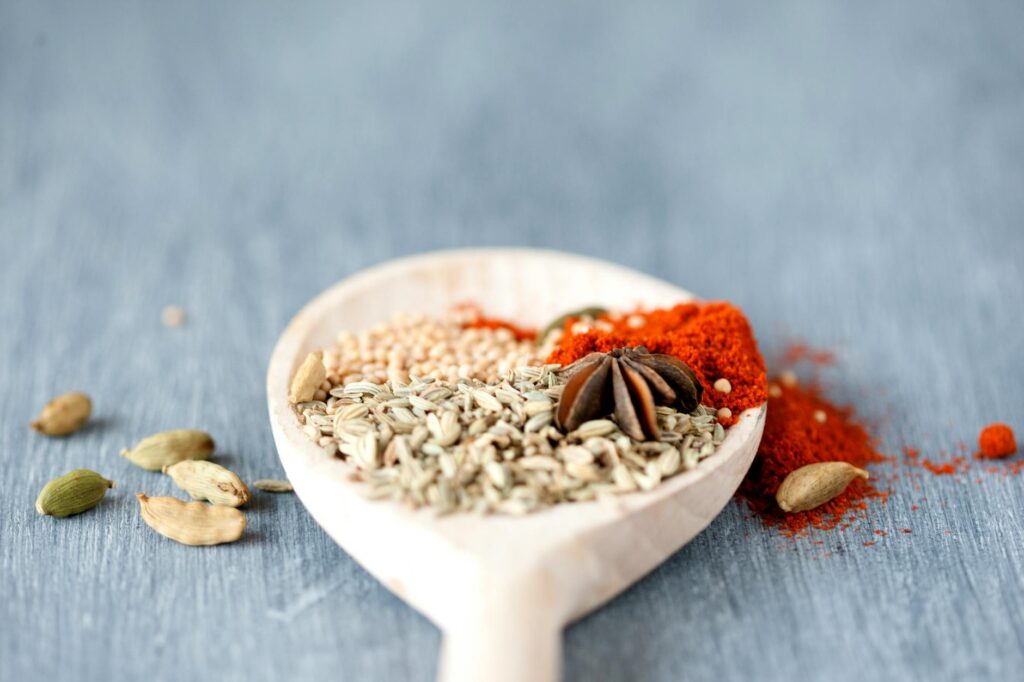
Fennel seeds are the small, oval-shaped seeds of the fennel plant, which belongs to the Apiaceae family, alongside other herbs such as parsley, dill, and caraway. These seeds are typically greenish-brown in color and possess a strong aromatic profile, characterized by a sweet and slightly peppery flavor. Fennel seeds are often confused with anise seeds; however, while they share a similar taste profile, they come from different plants. Their culinary versatility and unique flavor make them a popular choice in various cuisines, ranging from Indian and Mediterranean to Middle Eastern and Asian.
History and Origins
Fennel has a long history that dates back thousands of years. Native to the Mediterranean region, it was cultivated by ancient civilizations such as the Egyptians, Greeks, and Romans. Fennel seeds were highly valued not only for their flavor but also for their supposed medicinal properties. In ancient Greece, fennel was associated with strength and was often consumed by athletes. The Romans used it as both a culinary spice and a remedy for various ailments, believing it to promote health and longevity.
As trade routes expanded during the Middle Ages, fennel seeds spread to other parts of Europe and Asia. In India, fennel gained prominence in culinary applications and became deeply rooted in Ayurvedic practices. Today, fennel seeds are an integral part of many cuisines, with India being one of the largest producers and consumers of this ingredient.
Production and Processing
The production of fennel seeds involves several stages, from cultivation to processing. Fennel plants thrive in well-drained soil and require full sun for optimal growth. They are typically sown in the spring and harvested in late summer to early fall when the seeds turn brown and begin to dry.
Once harvested, the seeds undergo a drying process to reduce moisture content, which is crucial for preserving their flavor and preventing spoilage. After drying, the seeds are often cleaned and sorted to remove impurities and ensure uniformity.
In some regions, fennel seeds are roasted to enhance their flavor and aroma further. This process involves heating the seeds in a dry pan until they become fragrant, a technique commonly used in Indian cooking to intensify the spice’s flavor profile.
Quality control is essential during production, as it directly impacts the flavor, aroma, and shelf life of the seeds.
Quality and Grading
The quality of fennel seeds is determined by several factors, including size, color, aroma, and flavor. High-quality fennel seeds are uniform in size, typically range from 2 to 4 mm in length, and exhibit a vibrant greenish-brown color.
Aroma is one of the most critical indicators of quality. Fresh fennel seeds should have a strong, sweet, and slightly herbaceous fragrance. If the seeds smell musty or lack aroma, they may be stale or of inferior quality.
Grading systems vary by region, but generally, fennel seeds are categorized based on these quality indicators. Premium grades are reserved for seeds that meet strict criteria for flavor and aroma, while lower grades may be used for bulk production or less discerning culinary applications.
When purchasing fennel seeds, it is advisable to look for reputable brands that provide information about the source and quality of their products.
Buying Considerations
When buying fennel seeds, there are several factors to consider to ensure you are selecting a high-quality product.
1. Form: Fennel seeds can be found whole or ground. Whole seeds retain their flavor longer and can be freshly ground for maximum aroma and taste. Ground fennel seeds may be more convenient but can lose potency quickly.
2. Origin: The origin of the seeds can impact their flavor. Mediterranean and Indian fennel seeds are highly regarded for their quality. Researching the source can provide insight into the flavor profiles you may expect.
3. Packaging: Proper packaging is crucial for maintaining the freshness of fennel seeds. Look for seeds that are packaged in airtight containers or vacuum-sealed bags that protect them from light and moisture.
4. Expiration Date: Always check the expiration date or best-by date on the packaging. Freshness is key to ensuring optimal flavor and aroma.
5. Organic Certification: If you prefer organic products, look for seeds that are certified organic. This can ensure that they are grown without the use of synthetic pesticides and fertilizers.
6. Reputation of Supplier: Purchasing from trusted suppliers or specialty spice shops can ensure you receive high-quality fennel seeds. Reading reviews or seeking recommendations can be beneficial.
Uses and Applications
Fennel seeds are highly versatile and can be used in various culinary applications. Their sweet, aromatic flavor pairs well with a wide range of ingredients, making them suitable for both savory and sweet dishes.
Culinary Uses
1. Spice Blends: Fennel seeds are often used in spice blends such as garam masala, panch phoron, and Chinese five-spice powder. Their unique flavor can enhance the overall profile of these mixes.
2. Baking: In baking, fennel seeds can be incorporated into bread, pastries, and cookies, adding a distinctive flavor that complements other spices.
3. Pickling: Fennel seeds are commonly included in pickling brines, where their sweet and tangy notes can enhance the flavor of pickled vegetables.
4. Infusions: Fennel seeds can be infused into oils, vinegars, or syrups, creating flavorful additions to dressings or marinades.
5. Beverages: Fennel seeds are used in various beverages, including herbal teas and digestive tonics. Their aromatic qualities can enhance the drinking experience.
6. Garnish: Whole fennel seeds can serve as a garnish for dishes, adding a burst of flavor and visual appeal.
Non-Culinary Uses
Beyond culinary applications, fennel seeds are also used in the production of essential oils, perfumes, and cosmetics due to their aromatic properties. Additionally, they are sometimes employed in the manufacturing of natural pesticides and insect repellents.
Storage and Shelf Life
Proper storage is vital for maintaining the quality of fennel seeds. They should be kept in a cool, dark, and dry place, away from direct sunlight and moisture. Airtight containers or glass jars are ideal for preserving freshness.
When stored correctly, whole fennel seeds can maintain their flavor for up to two years, while ground fennel seeds typically have a shorter shelf life of about six months. Regularly checking the aroma and flavor can help determine freshness; if the seeds lose their characteristic scent, it may be time to replace them.
Common Misconceptions
1. Fennel Seeds Are the Same as Anise Seeds: While they share a similar flavor profile, fennel seeds and anise seeds come from different plants. Fennel seeds have a more complex flavor, with sweet and herbal notes, while anise seeds possess a more pronounced licorice flavor.
2. Fennel Seeds Have No Culinary Value: Some people may think of fennel seeds as merely a garnish, but they play an essential role in flavoring dishes across various cuisines.
3. Fennel Seeds Are Only Used in Indian Cuisine: Although fennel seeds are a staple in Indian cooking, they are also widely used in Mediterranean, Middle Eastern, and Asian cuisines.
4. Buying Ground Fennel Seeds Is Always Better: While ground fennel seeds are convenient, they can lose potency quickly. Whole seeds are often recommended for maximum flavor retention.
Frequently Asked Questions
1. Are fennel seeds safe to consume during pregnancy?
Fennel seeds are often consumed in small amounts as a spice and are considered safe for most people. However, pregnant individuals should consult with a healthcare provider regarding any dietary changes.
2. How can I tell if fennel seeds are fresh?
Fresh fennel seeds will have a strong, sweet aroma. If they smell musty or lack fragrance, they may be stale.
3. Can I substitute fennel seeds with other spices?
While fennel seeds have a unique flavor, you can substitute them with anise seeds or caraway seeds, keeping in mind that the flavor profile will differ slightly.
4. How should I store fennel seeds?
Store fennel seeds in an airtight container in a cool, dark place to maintain their freshness and aroma.
5. Are fennel seeds gluten-free?
Yes, fennel seeds are naturally gluten-free and can be safely consumed by individuals with gluten sensitivities.
6. Can fennel seeds be used in teas?
Yes, fennel seeds are often used in herbal teas and can be brewed to create a soothing beverage with digestive benefits.
In conclusion, fennel seeds are a multifaceted ingredient with a rich history, diverse applications, and unique flavor profile that enriches culinary experiences across the globe. Understanding their characteristics and proper usage can elevate your culinary creations, making fennel seeds an invaluable addition to any kitchen.