
What Is Fennel?
Introduction
Fennel (Foeniculum vulgare) is a versatile and aromatic herb belonging to the Apiaceae family, which also includes carrots, celery, and parsley. Both a culinary staple and a medicinal herb, fennel is renowned for its distinct flavor profile, which combines sweet and savory notes with an anise-like aroma. This article delves into the many facets of fennel, exploring its history, production, uses, and more, making it an essential ingredient in kitchens worldwide.
What Is Fennel?
Fennel is a flowering plant characterized by its feathery leaves, yellow flowers, and bulbous base. The plant can grow up to 2 meters tall, with a thick stalk and a bulb that can be eaten raw or cooked. Both the bulb and the fronds are edible, while the seeds, commonly used as a spice, are derived from the flowers that develop into small, oval-shaped seeds. Fennel is appreciated not only for its culinary applications but also for its aromatic properties, making it a popular choice for herbal teas and flavoring liqueurs.
History and Origins
Fennel has a rich history that dates back thousands of years. Native to the Mediterranean region, it was cultivated by the ancient Egyptians, Greeks, and Romans, who utilized it for both culinary and medicinal purposes. The Romans believed fennel could enhance athletic performance and used it to prepare meals for gladiators.
Fennel spread throughout Europe and Asia over the centuries, gaining popularity in various cuisines. Today, it is grown in temperate climates around the world, including the United States, India, and China. Its ability to adapt to different growing conditions has contributed to its widespread use and cultivation.
Production and Processing
Fennel thrives in well-draining soils and prefers full sun. It requires a moderate climate for optimal growth, with temperatures ranging from 15°C to 24°C (59°F to 75°F). The plant can be cultivated from seeds, typically sown in spring or early summer. When grown for its bulb, fennel is harvested when the bulb is firm and has reached a desirable size, usually around 10-15 cm (4-6 inches) in diameter.
Once harvested, fennel is typically washed and packed for sale. The seeds, however, undergo a different processing method. After flowering, the seeds are harvested when they turn brown and dried to enhance their flavor. They can then be stored whole or ground, depending on the intended use.
Quality and Grading
When assessing the quality of fennel, several factors come into play, particularly for the bulb, fronds, and seeds.
Bulb Quality
High-quality fennel bulbs should be firm, with a smooth surface and a vibrant white or pale green color. The presence of blemishes, soft spots, or wilting fronds indicates reduced freshness and quality.
Frond Quality
Fresh fennel fronds should be bright green and aromatic. They should not exhibit yellowing or wilting, which can signify age or improper storage.
Seed Quality
Fennel seeds should be aromatic, indicating freshness. They should be free from moisture and pests. The size, color, and shape of the seeds may vary, but they should all carry a strong scent characteristic of fennel.
Buying Considerations
When purchasing fennel, whether in bulb or seed form, consider the following:
1. Freshness: Look for bulbs that feel firm to the touch and have a vibrant color. For seeds, opt for whole seeds whenever possible, as they retain flavor longer than ground seeds.
2. Organic vs. Conventional: Organic fennel may have a more robust flavor and fewer pesticide residues. If possible, choose organically grown fennel.
3. Seasonality: Fennel is typically in season from late fall to early spring, depending on your location. Buying in season can enhance quality and flavor.
4. Local vs. Imported: Local fennel may have a fresher taste and shorter transport time. Supporting local farmers can also be beneficial for the environment.
Uses and Applications
Fennel is a highly adaptable ingredient with a range of applications in culinary practices:
Culinary Uses
- Raw Consumption: Fennel bulbs can be sliced thinly for salads, providing a crisp texture and unique flavor.
- Cooking: Fennel can be roasted, sautéed, or braised, allowing its natural sweetness to develop. It pairs well with a variety of dishes, including seafood, poultry, and vegetables.
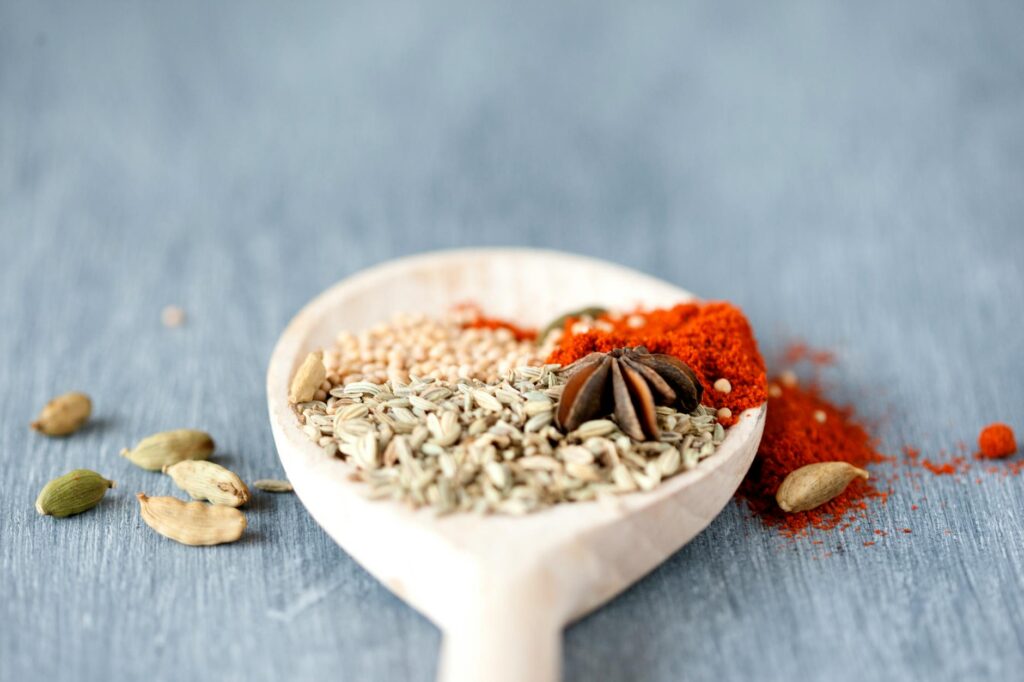
- Seasoning: Fennel seeds are commonly used in spice blends and as seasoning for meats, fish, and baked goods. They can be toasted to enhance their flavor before use.
- Infusions: Fennel is often used to flavor teas and herbal infusions, known for its soothing properties.
- Fennel vs. Anise: While both fennel and anise have a similar flavor profile, they are distinct plants. Anise is primarily grown for its seeds, while fennel is cultivated for its bulb, fronds, and seeds.
- Fennel as a Spice: While fennel seeds are used as a spice, the bulb and fronds are often overlooked. All parts of the plant are edible and have culinary value.
- Fennel’s Flavor: The flavor of fennel can vary based on its preparation. When cooked, fennel tends to become sweeter and milder, contrasting with its fresh, crisp flavor when eaten raw.
Non-Culinary Uses
Beyond its culinary applications, fennel has found a place in traditional herbal practices. Fennel tea is often consumed for its aromatic and flavor-enhancing properties. Additionally, the essential oils extracted from fennel seeds are utilized in perfumes and aromatherapy.
Storage and Shelf Life
To maintain the quality of fennel, proper storage is essential:
Fennel Bulbs
Fresh fennel bulbs should be stored in the refrigerator, preferably in a perforated plastic bag to allow for air circulation. They can last for about a week under optimal conditions.
Fennel Fronds
Fennel fronds can also be stored in the refrigerator, wrapped in a damp paper towel and placed in a plastic bag. They are best used within a few days for maximum freshness.
Fennel Seeds
Fennel seeds should be stored in an airtight container in a cool, dark place. Whole seeds can last for up to a year, while ground fennel will lose flavor more quickly and should be used within six months for the best aromatic qualities.
Common Misconceptions
Fennel is often surrounded by misconceptions that can lead to confusion among consumers:
Frequently Asked Questions
1. What does fennel taste like?
Fennel has a unique flavor profile that combines sweet, licorice-like notes with a mild, herbal quality. The taste can vary significantly depending on whether it is consumed raw or cooked.
2. How do I choose fresh fennel at the store?
Look for bulbs that are firm, with no soft spots or blemishes. The fronds should be bright green and fragrant. Avoid any that appear wilted or discolored.
3. Can fennel be eaten raw?
Yes, fennel can be eaten raw. It is often used in salads or as a crunchy snack, where its crisp texture and sweet flavor can shine.
4. What are the different parts of the fennel plant?
The fennel plant consists of several edible parts: the bulb, fronds (the leafy tops), and seeds. Each part has its culinary applications and flavor profiles.
5. How long can I store fennel?
Fresh fennel bulbs can be stored in the refrigerator for about a week, while fennel seeds can last up to a year when stored properly in a cool, dark place.
6. Is fennel a common ingredient in any specific cuisines?
Fennel is widely used in Mediterranean cuisine, particularly in Italian, Greek, and Middle Eastern dishes. It has also found its way into Indian cooking, where fennel seeds are a common spice.
Conclusion
Fennel is a fascinating ingredient that transcends borders and culinary traditions. With its complex flavors and versatile applications, it has earned its place in kitchens worldwide. Understanding fennel’s history, production, and uses can deepen appreciation for this remarkable herb and inspire culinary creativity. Whether enjoyed raw, cooked, or brewed as tea, fennel continues to captivate the palates of food enthusiasts around the globe.