
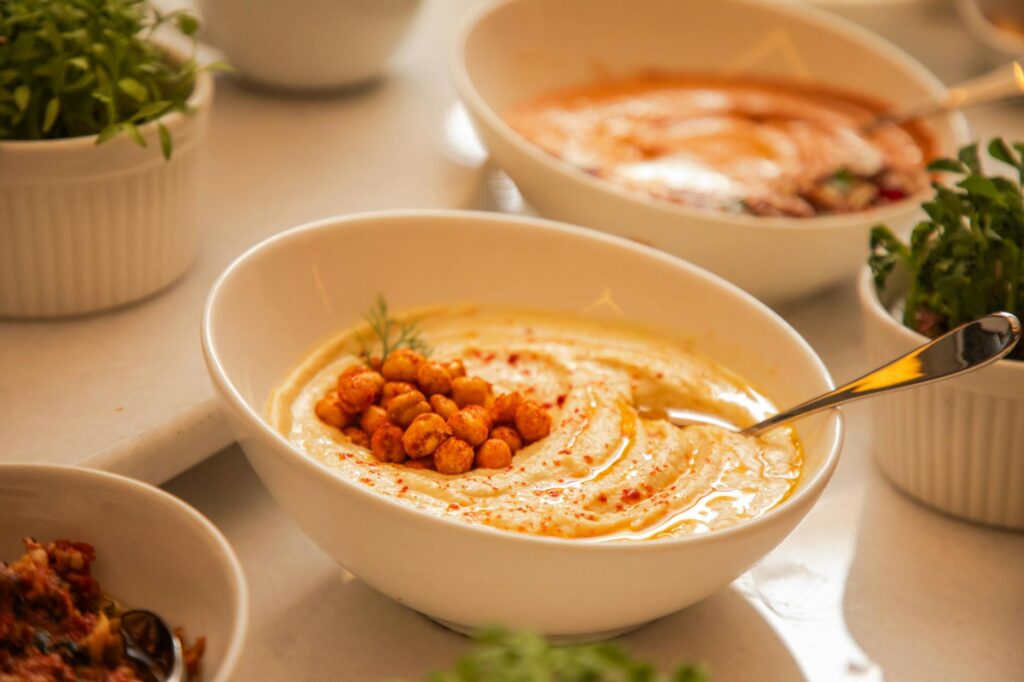
What Is Hummus?
Introduction
Hummus is a versatile and nutritious spread that has garnered global popularity, transcending its Middle Eastern roots to become a staple in various cuisines around the world. This creamy concoction, traditionally made from cooked and mashed chickpeas, tahini, olive oil, lemon juice, and garlic, is celebrated not only for its rich flavor profile but also for its health benefits. In this article, we delve into the intricacies of hummus, exploring its history, production, applications, and more.
What Is Hummus?
At its core, hummus is a dip or spread made primarily from chickpeas, also known as garbanzo beans. The base ingredients are typically blended into a smooth paste, resulting in a creamy texture that can be enhanced with various flavorings such as garlic, spices, and herbs. The name “hummus” is derived from the Arabic word for chickpeas, and it is often served with pita bread, vegetables, or as part of a mezze platter.
The fundamental ingredients of hummus not only provide a delightful taste but also offer a wealth of nutritional benefits. Chickpeas are an excellent source of protein, fiber, and essential vitamins and minerals, making hummus a popular choice among health-conscious individuals and those following vegetarian or vegan diets.
History and Origins
The origins of hummus are a subject of much debate among culinary historians. While it is widely accepted that hummus originated in the Levant region of the Middle East, the exact location and time of its inception remain uncertain. Some sources suggest that hummus dates back to ancient civilizations, with references to chickpeas and similar dishes appearing in texts as far back as the 13th century.
The earliest known recipes for hummus can be traced to 13th-century cookbooks from the region of modern-day Lebanon and Syria. However, variations of chickpea-based spreads have been found in several countries, including Israel, Palestine, and Turkey, each with their unique twists on the classic recipe. The dish’s popularity spread throughout the Mediterranean and beyond, becoming a common component of various culinary traditions.
In contemporary times, hummus has gained immense popularity in the Western world, particularly in the United States and Europe, where it is often marketed as a healthy snack or appetizer.
Production and Processing
The production of hummus involves a series of meticulous steps to ensure a high-quality product. The primary ingredient, chickpeas, can be either dried or canned. When using dried chickpeas, they must be soaked, boiled, and then mashed or blended. Canned chickpeas offer convenience and can be used directly after rinsing and draining.
The key ingredients—chickpeas, tahini (a paste made from ground sesame seeds), olive oil, lemon juice, and garlic—are combined in a food processor until smooth. The proportions of these ingredients can vary widely depending on regional preferences and individual tastes.
During processing, several factors can affect the final product’s flavor and texture, including:
1. Ingredient Quality: The quality of chickpeas, tahini, and olive oil can significantly influence the taste. Premium-grade ingredients yield a richer flavor profile.
2. Blending Technique: The method of blending is crucial. Over-blending can lead to a gummy texture, while under-blending may result in a grainy consistency.
3. Seasoning: The addition of spices, herbs, or other flavorings can enhance or alter the traditional taste of hummus, leading to a myriad of variations.
Traditionally, hummus is served fresh, but it can also be produced on a larger scale for commercial distribution, where it is packaged and preserved for a longer shelf life.
Quality and Grading
The quality of hummus can be assessed based on several criteria, including texture, flavor, aroma, and appearance. High-quality hummus should have a creamy and smooth consistency, with a balanced flavor that highlights the earthiness of the chickpeas and the nuttiness of the tahini.
Grading hummus is not as standardized as some other food products. However, consumers can look for certain indicators when selecting hummus, such as:
- Ingredient List: A shorter, simpler ingredient list with no artificial preservatives or additives is generally a sign of higher quality.
- Texture: A smooth, creamy texture is preferable to a gritty or overly thick consistency.
- Packaging: Look for products in opaque containers to protect against light exposure, which can degrade flavor.
- Dips and Spreads: Hummus pairs excellently with pita bread, fresh vegetables, or crackers, making it a popular choice for appetizers and party platters.
- Salad Dressings: Hummus can be thinned with water or additional olive oil to create a creamy dressing for salads, offering a healthy alternative to traditional dressings.
- Sandwich Fillings: Use hummus as a spread in sandwiches or wraps, adding flavor and moisture while boosting nutritional value.
- Sauces: Incorporate hummus into sauces for grain bowls or pasta dishes, enhancing the meal with its rich flavor and creamy texture.
- Cooking Ingredient: Hummus can be used as a base for soups or stews, adding depth and creaminess to various dishes.
- Refrigeration: Homemade hummus should be stored in an airtight container in the refrigerator and consumed within 3 to 5 days. Store-bought hummus typically has a longer shelf life, often lasting several weeks when unopened.
- Freezing: Hummus can be frozen for longer storage. Place it in an airtight container, leaving some space for expansion, and it can last for up to four months. Thaw in the refrigerator before use, and stir well to restore its original texture.
- Avoid Contamination: Always use clean utensils when serving hummus to prevent bacterial growth and spoilage.
Buying Considerations
When purchasing hummus, there are several factors to consider to ensure the best choice for your needs:
1. Type: Hummus is available in various flavors, including traditional, roasted red pepper, garlic, and even dessert versions. Consider which flavor profiles complement your meal or snack preferences.
2. Ingredients: Always read the label to check for allergens, especially if you have sensitivities to sesame (found in tahini) or other common allergens.
3. Shelf Life: Fresh hummus typically has a shorter shelf life than store-bought varieties, which may contain preservatives. Be mindful of expiration dates and storage recommendations.
4. Brand Reputation: Research and choose reputable brands known for quality products. Local artisanal brands may offer unique flavors and fresher ingredients.
5. Serving Size: Consider portion sizes, especially if you are purchasing hummus for gatherings or specific recipes. Larger tubs may be more economical for frequent use.
Uses and Applications
Hummus is remarkably versatile and can be employed in a myriad of culinary applications. While it is commonly enjoyed as a dip or spread, its uses extend far beyond simple snacking. Some popular applications include:
Storage and Shelf Life
To maintain the freshness and flavor of hummus, proper storage is essential. Here are some guidelines for storing hummus:
Common Misconceptions
Despite its widespread popularity, several misconceptions about hummus persist. Here are a few clarifications:
1. Hummus is Always Vegan: While traditional hummus is vegan, some commercial varieties may contain non-vegan ingredients. Always check labels.
2. Hummus is Unhealthy: Hummus is often viewed as a healthy snack due to its high protein and fiber content. However, some store-bought versions can be high in sodium or unhealthy fats. Moderation is key.
3. Hummus is Only Made with Chickpeas: While chickpeas are the traditional base, various legumes or beans can be used to create alternative hummus variations, including black bean or lentil hummus.
4. Hummus is a New Trend: Hummus has a rich history dating back centuries, and its popularity has only recently surged in Western countries.
Frequently Asked Questions
1. Is hummus gluten-free?
Yes, hummus is naturally gluten-free, making it a safe option for those with gluten sensitivities or celiac disease, provided no gluten-containing ingredients are added.
2. Can I make hummus without tahini?
Yes, while tahini adds a unique flavor, you can make hummus without it. You may substitute with other nut butters or simply omit it for a simpler flavor.
3. How can I tell if hummus has gone bad?
Signs of spoilage include an off smell, discoloration, or the presence of mold. When in doubt, it’s best to discard it.
4. What is the best way to serve hummus?
Hummus is best served at room temperature alongside fresh vegetables, pita bread, or as part of a mezze platter.
5. Are there any health benefits to eating hummus?
Hummus is rich in protein, fiber, and healthy fats, making it a nutritious choice that can support digestive health and provide sustained energy.
6. Can I use hummus in baking?
While it is unconventional, hummus can be used in baking as a substitute for fats in certain recipes, adding moisture and nutrition.
In conclusion, hummus stands as a testament to the culinary traditions of the Middle East, offering a blend of flavor, nutrition, and versatility that appeals to a global audience. Whether enjoyed as a dip, spread, or cooking ingredient, hummus continues to be a beloved component of many diets around the world.