
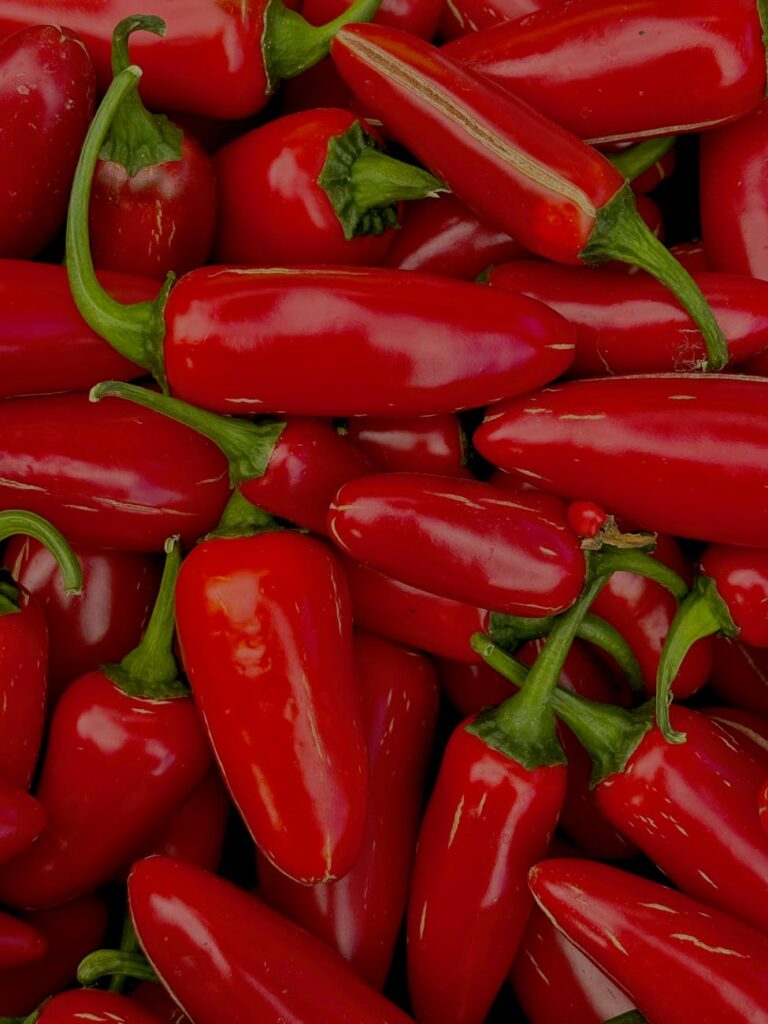
What Is Jalapeño?
Introduction
The jalapeño pepper, a staple in cuisines around the globe, is both celebrated for its distinctive flavor and its versatility in culinary applications. Whether it’s adding a kick to a dish or being the star in salsas, the jalapeño has carved out a niche in kitchens worldwide. This article delves into the nature of the jalapeño, exploring its origins, production methods, grading, and much more, to provide a comprehensive understanding of this beloved ingredient.
What Is About?
The jalapeño is a medium-sized chili pepper belonging to the Capsicum annuum species. It typically measures between 2 to 4 inches in length and is characterized by its smooth, green skin, which can ripen to a deep crimson hue. The flavor profile of the jalapeño is complex; it offers a moderate level of heat that can range from 2,500 to 8,000 Scoville heat units (SHU), depending on factors such as growing conditions and ripeness. The pepper is often distinguished by its slightly sweet and grassy notes, making it a favored choice among chefs and home cooks alike.
History and Origins
The jalapeño pepper has deep roots in Mexican culture, with its origins tracing back to the region of Veracruz. It is believed that the pepper was cultivated as early as 5000 BC, making it one of the oldest cultivated plants in the Americas. The name “jalapeño” is derived from the city of Xalapa (Jalapa), the capital of the state of Veracruz, where the pepper was initially grown.
The jalapeño became popular in various Mexican dishes and was gradually introduced to the United States. By the mid-20th century, it gained recognition beyond Mexican cuisine, becoming a prominent ingredient in American dishes, especially within Tex-Mex cuisine. Today, jalapeños are cultivated in various parts of the world, including the United States, particularly in states like Texas, New Mexico, and California.
Production and Processing
Jalapeños are typically grown in warm climates with ample sunlight. The cultivation process begins with seed germination, followed by transplanting seedlings into well-drained soils. Farmers often use irrigation systems to ensure optimal growth, as jalapeños require consistent moisture levels.
The peppers mature over a period of about 70 to 90 days. Harvesting is usually done by hand to minimize damage to the fruit and plant. Once harvested, jalapeños can be sold fresh or processed in various ways. Common processing methods include drying, pickling, and smoking, with the latter giving rise to the popular chipotle pepper, a smoked and dried jalapeño.
Quality assurance is crucial in the production process. Farmers and processors evaluate the peppers based on size, color, texture, and firmness to ensure they meet market standards.
Quality and Grading
The quality of jalapeños is assessed based on several criteria, including size, color, and overall appearance. Typically, jalapeños are classified into different grades:
- U.S. No. 1: These jalapeños should be firm, smooth, and free from blemishes and defects. They should also have a uniform size and vibrant green color.
- U.S. No. 2: This grade may include peppers that are slightly misshapen or have minor blemishes but are still suitable for consumption.
- U.S. No. 3: These jalapeños may have several defects, such as dark spots or wrinkles, and are usually sold at lower prices or used for processing.
- Fresh: Sliced raw, jalapeños add a spicy kick to salads, sandwiches, and tacos. They can also be used as a garnish or in salsas.
- Cooked: Roasting or grilling jalapeños enhances their sweetness and depth of flavor. They can be incorporated into stews, sauces, and casseroles.
- Pickled: Pickled jalapeños are a popular condiment, often served alongside nachos, tacos, and sandwiches.
- Stuffed: Jalapeños can be hollowed out and stuffed with cheeses, meats, or grains, then baked or fried for appetizers or snacks.
- Dried and Smoked: As previously mentioned, dried and smoked jalapeños transform into chipotles, which are used to impart a rich smoky flavor to various dishes.
Grading standards may vary by region, but the emphasis on quality remains consistent. Consumers are encouraged to select fresh, firm jalapeños that are free from soft spots or discoloration.
Buying Considerations
When purchasing jalapeños, several factors can help ensure you select the best quality:
1. Freshness: Look for shiny, vibrant green peppers with a firm texture. Avoid those with wrinkles or soft spots.
2. Size: While jalapeños come in various sizes, consistency is key. Choose peppers that are uniform in size for even cooking and flavor distribution.
3. Color: A deep green color indicates ripeness and flavor. Some varieties may be sold red; these tend to be sweeter and less spicy.
4. Origin: Knowing where your jalapeños come from can also impact quality. Local or organic options may offer superior flavor and freshness.
5. Seasonality: Jalapeños are usually in season from late spring through early fall. Purchasing during peak season can yield better-tasting peppers.
6. Storage Conditions: Consider how the peppers have been stored prior to purchase, as improper storage can lead to quality degradation.
Uses and Applications
Jalapeños are incredibly versatile and can be used in numerous culinary applications:
The flavor profile of jalapeños complements a wide range of ingredients, making them a favorite among chefs looking to add depth and complexity to their dishes.