
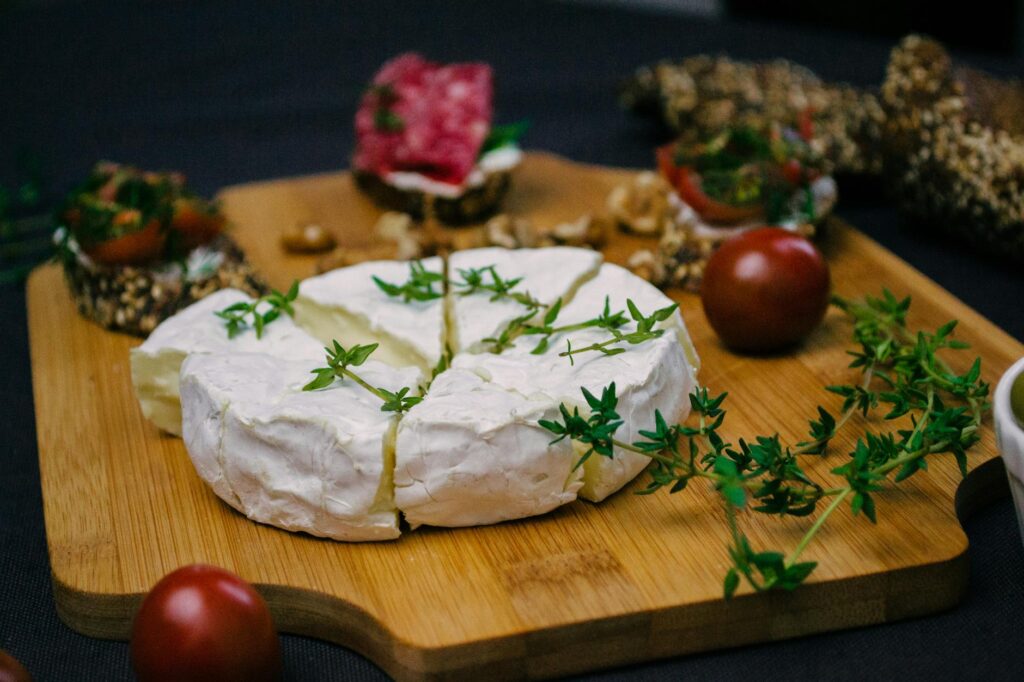
What Is Kefir Cheese?
Introduction
Kefir cheese is a unique dairy product that has gained recognition in culinary circles for its distinctive flavor, rich nutritional profile, and versatility. Derived from the fermentation of milk, kefir cheese is often celebrated for its creamy texture and tangy taste, making it a popular choice in various dishes and diets. This article delves into the intricacies of kefir cheese, exploring its origins, production methods, quality standards, and myriad applications in the kitchen.
What Is Kefir Cheese?
Kefir cheese is a fresh cheese made from kefir, a fermented milk product that originates from the Caucasus region. It is created by straining kefir to separate the whey from the curds, resulting in a thick, creamy cheese. The fermentation process involves the action of kefir grains, which are a symbiotic culture of bacteria and yeast, contributing to the cheese’s unique taste and health benefits.
Unlike traditional cheeses, which may be aged to develop flavor, kefir cheese is typically consumed fresh. It possesses a slightly tangy and mildly sour flavor profile, characterized by its smooth, spreadable consistency. Kefir cheese can be made from various types of milk, including cow, goat, or sheep, each imparting distinct characteristics to the final product.
History and Origins
The origins of kefir can be traced back to the Caucasus Mountains, where it has been consumed for centuries. The fermentation of milk using kefir grains is believed to have begun among nomadic tribes who discovered that their milk would ferment in the containers made from animal skins. This serendipitous discovery resulted in a tangy, effervescent beverage that not only preserved the milk but also offered various health benefits.
Kefir cheese emerged as a byproduct of this fermentation process. As people began to explore and document dairy production methods, kefir cheese gained prominence in various cultures, particularly in Eastern Europe and the Middle East. Today, it is recognized globally, with many dairy producers crafting their versions of kefir cheese, each reflecting regional tastes and techniques.
Production and Processing
The production of kefir cheese involves several key steps, starting with the fermentation of milk. The process begins with the introduction of kefir grains to milk. These grains contain a diverse array of bacteria and yeast, which ferment the lactose in the milk, resulting in lactic acid and carbon dioxide. This fermentation typically lasts for 12 to 24 hours, depending on the desired tanginess and thickness of the kefir.
Once the fermentation is complete, the kefir is strained to separate the curds from the whey. The curds, which are the solid components of the kefir, are then gathered and can be processed further, depending on the desired consistency of the cheese. For a thicker cheese, additional straining may be applied, while a looser consistency can be achieved by retaining more whey.
After straining, the cheese can be seasoned, flavored, or left plain. Common additions include herbs, spices, or even fruits, depending on culinary preferences. The final product is typically stored in airtight containers to maintain freshness.
Quality and Grading
The quality of kefir cheese can be influenced by numerous factors, including the type of milk used, the fermentation time, and the specific strains of bacteria and yeast present in the kefir grains. High-quality kefir cheese should possess a balanced flavor, with a pleasant tanginess that is not overly sour.
When grading kefir cheese, several criteria are considered:
- Texture: A smooth and creamy consistency is desirable, free from graininess or excessive moisture.
- Flavor: The taste should be tangy and refreshing, with a complexity that reflects the fermentation process.
- Aroma: A fresh, dairy-like scent with subtle notes of fermentation is indicative of quality.
- Color: Kefir cheese typically has a pale white to off-white hue, signaling freshness.
- Source: Opt for products from reputable dairy producers known for their commitment to quality and traditional production methods.
- Ingredients: Check the ingredient list for minimal additives. The best kefir cheese will primarily contain milk, kefir cultures, and perhaps a pinch of salt.
- Packaging: Look for cheese that is stored in airtight containers to maintain freshness. Packaging should also be free from any signs of damage or leakage.
- Flavor Variants: Consider trying a range of flavors, including plain, herb-infused, or even sweetened varieties, to find your preferred taste profile.
- Spreads: Kefir cheese can be used as a spread on bread, crackers, or bagels, often enhanced with herbs, garlic, or spices.
- Dips: It serves as a base for creamy dips, mixed with ingredients like roasted peppers, olives, or herbs.
- Salads: Kefir cheese can be crumbled over salads, adding a creamy element and a burst of flavor.
- Baking: It can be incorporated into baked goods like muffins and pancakes, contributing moisture and a hint of tang.
- Desserts: In sweet applications, kefir cheese can be blended with fruits or honey to create satisfying dessert options.
- Kefir Cheese Is the Same as Cream Cheese: While both are creamy, kefir cheese is fermented and offers a tangy flavor, whereas cream cheese is a fresh cheese that is not fermented.
- Kefir Cheese Is Only for the Health-Conscious: Although its health benefits are well-documented, kefir cheese can be enjoyed by anyone, regardless of dietary preferences.
- All Kefir Cheese Tastes the Same: The flavor of kefir cheese can vary significantly based on the milk used, the fermentation time, and any additional flavorings. Tasting different varieties can reveal a world of flavor possibilities.
Consumers should look for products that are made from high-quality milk and contain minimal additives or preservatives to ensure they are enjoying the best possible version of this dairy delight.
Buying Considerations
When purchasing kefir cheese, several factors should be taken into account:
Uses and Applications
Kefir cheese is remarkably versatile and can be used in various culinary applications. Its creamy texture and tangy flavor make it an excellent addition to both savory and sweet dishes. Some common uses include:
Its nutritional profile, rich in probiotics, calcium, and protein, makes kefir cheese an appealing choice for health-conscious consumers seeking to enhance their diets.
Storage and Shelf Life
To ensure the longevity and quality of kefir cheese, proper storage is essential. It should be kept refrigerated at all times, ideally at temperatures around 34°F to 40°F (1°C to 4°C). When stored correctly, kefir cheese can last for about 1 to 2 weeks after opening.
For unopened packages, it typically has a longer shelf life, usually indicated by a “best by” date on the packaging. However, it is advisable to consume it within a few days of purchase for optimal freshness and flavor.
If you find yourself with surplus kefir cheese, consider freezing it. While freezing may alter its texture slightly, it can still be used in cooking or baking after thawing.
Common Misconceptions
Despite its popularity, several misconceptions about kefir cheese persist:
Frequently Asked Questions
1. Is kefir cheese lactose-free?
Kefir cheese contains lower levels of lactose compared to regular cheese due to the fermentation process. However, it is not completely lactose-free, so those with lactose intolerance should consume it cautiously.
2. How does kefir cheese differ from yogurt cheese?
While both are fermented dairy products, kefir cheese is made using kefir grains and has a tangier flavor, whereas yogurt cheese is made from yogurt and may have a milder taste.
3. Can I make kefir cheese at home?
Yes, you can easily make kefir cheese at home using kefir and a strainer. It requires minimal ingredients and equipment, making it a fun and rewarding culinary project.
4. What is the best way to use kefir cheese in cooking?
Kefir cheese can be used in a variety of ways, including as a spread, in dips, or as a topping for salads and baked dishes. Its tangy flavor can enhance many recipes.
5. Is kefir cheese suitable for vegans?
No, kefir cheese is a dairy product and is not suitable for vegan diets. However, there are plant-based alternatives available that mimic the texture and flavor.
6. How do I know if kefir cheese has gone bad?
Signs that kefir cheese has spoiled include an off smell, discoloration, or the presence of mold. If you notice any of these signs, it’s best to discard the cheese.
In conclusion, kefir cheese is a delightful and versatile ingredient with a rich history and a wealth of culinary applications. Its unique flavor and health benefits make it an excellent addition to a balanced diet, appealing to both gourmet chefs and home cooks alike.