
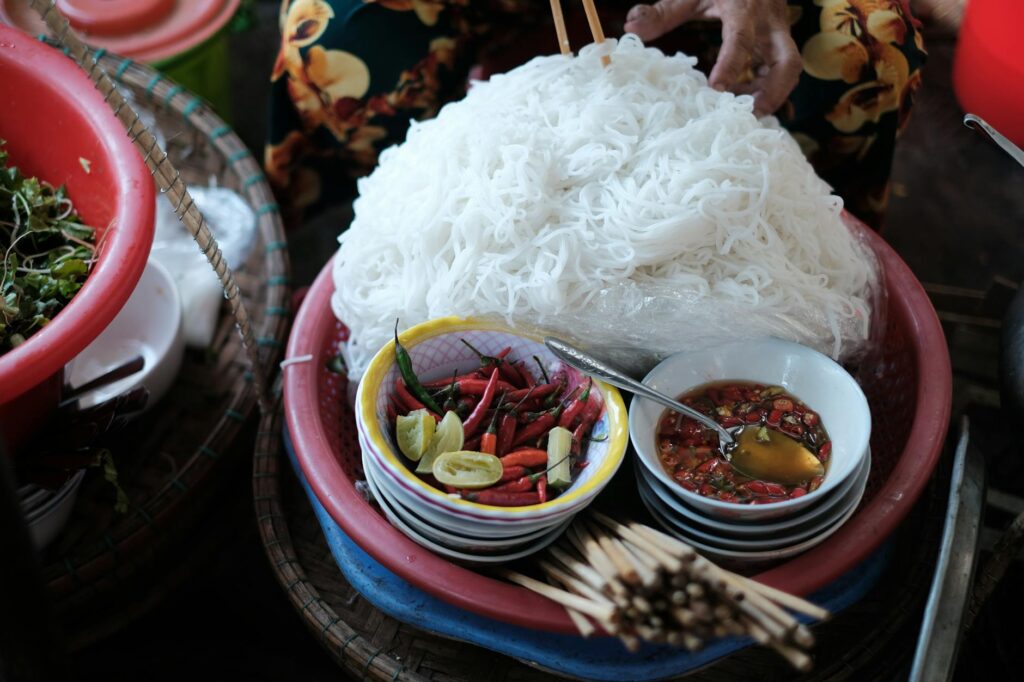
What Is Kelp Noodles?
Introduction
Kelp noodles are a unique and nutritious food product derived from edible seaweed, specifically from the kelp family. Gaining popularity in health-conscious and culinary communities, these noodles serve as an alternative to traditional wheat-based pasta. Kelp noodles are celebrated not only for their low-calorie content and versatility in various dishes but also for their myriad of health benefits. This article delves into the multifaceted world of kelp noodles, exploring their origins, production, storage, and common misconceptions, while also addressing frequently asked questions about this intriguing ingredient.
What Is Kelp Noodles?
Kelp noodles are translucent, gelatinous strands made primarily from a type of brown seaweed known as kelp. Recognized for their subtle flavor and unique texture, they are often praised for their culinary versatility, serving as a base for salads, stir-fries, and soups. Unlike traditional pasta, kelp noodles are gluten-free and low in carbohydrates, making them an appealing option for those following specific dietary regimes, including vegan and low-carb diets.
The primary ingredient, kelp, is rich in essential nutrients such as iodine, calcium, and vitamins A, C, E, and K. This nutrient density contributes to the growing interest in kelp noodles as a healthful addition to the modern diet.
History and Origins
The use of kelp can be traced back thousands of years, particularly in Asian cultures. In Japan, Korea, and China, various forms of seaweed have long been integral to traditional diets. Kelp itself has been utilized for its nutritional benefits and culinary properties, with its consumption dating back to the Jomon Period in Japan (approximately 14,000 to 300 BCE).
Kelp noodles, however, are a relatively recent innovation that emerged as a modern culinary alternative to traditional noodles. They became popular in the early 21st century, particularly in the United States, where health trends emphasized gluten-free and low-carb diets. This shift towards plant-based and seaweed-based ingredients has led to a broader acceptance and incorporation of kelp noodles into diverse cuisines.
Production and Processing
The production of kelp noodles involves several key steps, from harvesting the kelp to transforming it into noodles. The process typically begins with the collection of fresh kelp, often sourced from sustainable ocean farms or wild-harvested areas. After harvesting, the kelp is cleaned to remove any impurities and sand.
Following the cleaning process, the kelp is blanched to soften it, making it easier to work with. This is an essential step in maintaining the noodles’ texture and integrity. The blanched kelp is then processed into thin strands or noodles, often combined with water and a stabilizing agent, such as sodium alginate, to help maintain their shape and texture.
Once the noodles are formed, they are packaged and often sold in a ready-to-use format, requiring minimal preparation before consumption. Many commercial brands offer kelp noodles that are pre-washed and ready to be added directly to dishes.
Quality and Grading
The quality of kelp noodles can vary significantly among different brands and products. Factors that influence quality include the type of kelp used, the processing methods, and the overall freshness of the product. High-quality kelp noodles should have a clean, ocean-like taste with a firm yet pliable texture.
When assessing kelp noodles, it is essential to consider the following grading aspects:
1. Source of Kelp: The geographic origin of the kelp can impact both flavor and nutrient content. Kelp harvested from clean, unpolluted waters is generally superior.
2. Processing Techniques: Minimal processing helps retain the natural nutrients found in kelp. Brands that prioritize gentle processing methods are often better choices.
3. Additives and Preservatives: Some kelp noodles may contain additives or preservatives that can affect flavor and texture. Reading ingredient labels is crucial for discerning quality.
Choosing reputable brands that emphasize sustainability and transparency in sourcing can further enhance the overall quality of kelp noodles.
Buying Considerations
When purchasing kelp noodles, there are several considerations to keep in mind to ensure you select the best product for your needs:
1. Packaging: Kelp noodles are typically sold in plastic packages or jars. Opt for products with clear labeling and expiration dates to ensure freshness.
2. Ingredients: Always check the ingredient list. Ideally, high-quality kelp noodles should contain minimal ingredients—primarily kelp, water, and possibly a stabilizing agent.
3. Nutritional Information: Review the nutritional facts to understand the caloric content, serving size, and nutritional benefits. Kelp noodles are typically low in calories and carbohydrates while being rich in essential nutrients.
4. Brand Reputation: Consider purchasing from brands known for their commitment to sustainability and quality. Research customer reviews and ratings to gauge the experiences of other consumers.
5. Availability: Kelp noodles can be found in health food stores, specialty grocery stores, and online retailers. Availability may vary, so consider purchasing from multiple sources to find your preferred product.
Uses and Applications
Kelp noodles are incredibly versatile and can be utilized in a variety of culinary applications:
- Salads: Kelp noodles can be used as a base for vibrant salads, adding crunch and a sea-like flavor that pairs well with fresh vegetables and dressings.
- Soups and Broths: They can be added to soups, where their texture absorbs flavors from broths, enhancing the overall experience.
- Stir-Fries: Kelp noodles can be sautéed with vegetables and proteins, creating a quick and nutritious meal that is both satisfying and light.
- Wraps: Using kelp noodles as a filling for wraps or rolls offers an innovative way to enjoy fresh ingredients.
- Cold Dishes: Their neutral flavor makes them ideal for cold dishes, such as poke bowls or as an accompaniment to dips and sauces.
Overall, the adaptability of kelp noodles allows them to be incorporated into various cuisines, from Asian-inspired dishes to Western salads, making them a unique ingredient for culinary exploration.
Storage and Shelf Life
Proper storage is essential to maintain the quality and freshness of kelp noodles. Unopened packages can generally be stored at room temperature, away from direct sunlight. However, once opened, it is recommended to refrigerate the noodles in an airtight container to extend their shelf life.
Typically, kelp noodles can last for several weeks in the refrigerator, depending on the brand and processing methods. Always check for signs of spoilage, such as an off odor or discoloration, before consumption. If the noodles develop a slimy texture, they should be discarded.
Common Misconceptions
Despite their rising popularity, several misconceptions about kelp noodles persist:
1. Kelp Noodles Are High in Calories: Many people assume that because kelp noodles are made from seaweed, they must be high in calories. In reality, they are low-calorie and low-carb, making them suitable for various diets.
2. Kelp Noodles Lack Nutritional Value: Some individuals believe that kelp noodles provide little nutritional benefit. However, they are rich in minerals, vitamins, and antioxidants, contributing positively to overall health.
3. Kelp Noodles Taste Fishy: While kelp does come from the ocean, high-quality kelp noodles have a mild flavor that does not overpower dishes. They can take on the taste of accompanying ingredients, making them versatile in various recipes.
4. Kelp Noodles Require Extensive Cooking: Unlike traditional noodles, kelp noodles do not require cooking. They can be eaten raw or briefly heated, making them a convenient option for quick meals.
5. All Kelp Noodles Are the Same: The quality and taste of kelp noodles can vary significantly between brands. It is essential to research and select high-quality products for the best culinary experience.
Frequently Asked Questions
1. Are kelp noodles gluten-free?
Yes, kelp noodles are gluten-free, making them an excellent alternative for individuals with gluten sensitivities or celiac disease.
2. How do I prepare kelp noodles?
Kelp noodles usually require minimal preparation. They can be rinsed under cold water and added directly to salads or soups. For stir-fries, a brief heating is sufficient.
3. Do kelp noodles need to be cooked?
No, kelp noodles do not need to be cooked. They can be enjoyed raw or heated for a short period.
4. How do I store opened kelp noodles?
Once opened, kelp noodles should be stored in an airtight container in the refrigerator to maintain freshness. They can typically last for several weeks in this manner.
5. Can I freeze kelp noodles?
Freezing kelp noodles is not recommended, as it can alter their texture. It is best to consume them fresh or store them in the refrigerator.
6. Are kelp noodles nutritious?
Yes, kelp noodles are rich in vitamins, minerals, and antioxidants, making them a nutritious addition to a balanced diet.
Conclusion
Kelp noodles represent a remarkable intersection of culinary innovation and health-conscious eating. Their origins steeped in ancient traditions, combined with modern processing techniques, have made them a staple for those seeking nutritious and versatile food options. Whether enjoyed in a salad, soup, or stir-fry, kelp noodles offer a unique texture and flavor profile that can enhance a wide range of dishes. As the culinary world continues to explore the benefits of sea vegetables, kelp noodles are likely to maintain their status as a beloved ingredient in kitchens around the globe.