
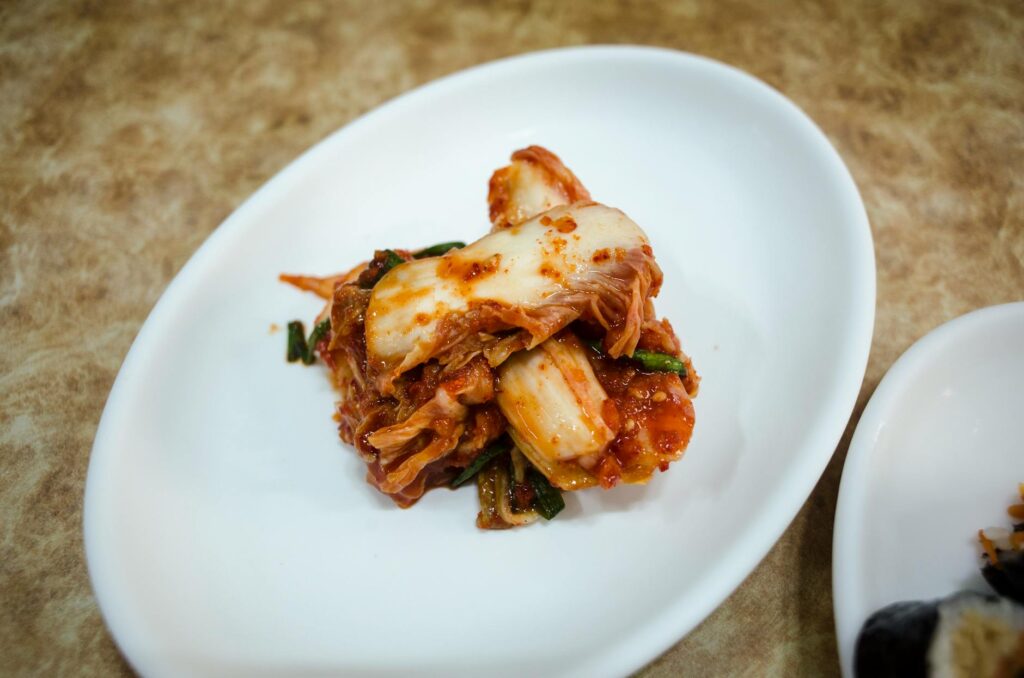
What Is Kimchi?
Introduction
Kimchi is more than just a dish; it is a symbol of Korean culture, embodying the nation’s culinary heritage and communal spirit. Traditionally a fermented vegetable dish, kimchi boasts a complex flavor profile, combining tanginess, spiciness, and umami. This article delves into the rich history, production methods, and various applications of kimchi, exploring why it has garnered global acclaim and how it has become a staple ingredient in kitchens worldwide.
What Is Kimchi?
Kimchi refers to a variety of fermented vegetable dishes, most commonly made from napa cabbage and radishes, seasoned with an array of spices, including garlic, ginger, and chili pepper. The fermentation process not only enhances the flavor but also contributes to the dish’s health benefits, such as its probiotic content. Kimchi can be served as a side dish, incorporated into main courses, or even enjoyed as a condiment, showcasing its versatility and adaptability in various culinary contexts.
History and Origins
The roots of kimchi trace back thousands of years, with the earliest references appearing in historical texts from the Three Kingdoms period of Korea (57 BC – 668 AD). Initially, kimchi was a simple dish made from vegetables and salt, designed to preserve food during long winters. Over the centuries, the introduction of various spices and the fermentation process evolved, leading to the diverse array of kimchi styles recognized today.
The fundamental transformation of kimchi occurred during the late Goryeo Dynasty (918–1392), when red pepper was introduced from the Americas. This pivotal development not only altered the flavor profile of kimchi but also made it a vibrant and visually appealing dish, solidifying its place in Korean cuisine. Today, kimchi is considered a national dish of Korea, with each region boasting its own unique variations and methods of preparation.
Production and Processing
The production of kimchi is a meticulous process that varies based on regional traditions and personal preferences. The primary steps in kimchi preparation include:
1. Selection of Ingredients: The base vegetables, typically napa cabbage and Korean radish, are chosen for their freshness and quality. Other ingredients may include scallions, garlic, ginger, and, of course, gochugaru (Korean red pepper flakes).
2. Brining: The selected vegetables are salted and allowed to sit, which draws out moisture and initiates the process of fermentation. This step is crucial, as it enhances the vegetables’ texture and flavor while inhibiting harmful bacteria.
3. Seasoning: After brining, the vegetables are rinsed and mixed with a paste made from gochugaru, garlic, ginger, and often fish sauce or fermented shrimp paste. This seasoning mix can be adjusted according to taste, leading to variations in heat and flavor.
4. Fermentation: The seasoned vegetables are packed into airtight containers, where they undergo fermentation at controlled temperatures. The duration of fermentation can vary, from a few days to several months, depending on the desired flavor intensity.
5. Storage: Once fermented, kimchi is typically stored in the refrigerator to slow down the fermentation process, preserving its taste and texture.
The artistry of kimchi-making lies in balancing flavors and textures, which requires both skill and experience. The variations in ingredients and methods reflect the cultural significance of kimchi in Korean society.
Quality and Grading
Kimchi quality is assessed based on several factors, including ingredient freshness, fermentation level, flavor balance, and texture. High-quality kimchi should have a vibrant color, a well-rounded taste with a balance of sweetness, saltiness, and spice, and a crisp texture.
In commercial production, some brands may adhere to specific grading systems based on these attributes, with premium products often emphasizing organic ingredients, artisanal methods, or traditional recipes. It is advisable for consumers to look for kimchi that uses fresh, high-quality ingredients and avoids artificial preservatives or excessive additives.
Buying Considerations
When purchasing kimchi, consumers should consider several factors to ensure they select a product that meets their preferences:
1. Type: There are numerous types of kimchi available, such as baechu (napa cabbage), kkakdugi (cubed radish), and oi sobagi (cucumber). Choose a type that complements your culinary needs.
2. Spice Level: Kimchi can range from mild to very spicy. Read the labels or inquire about the spice level to find a product that suits your palate.
3. Fermentation Age: Fresh kimchi has a more pronounced crunch and is often milder, while aged kimchi becomes softer and develops deeper flavors. Depending on your taste, select a product that aligns with your preferences.
4. Ingredient Quality: Opt for kimchi made from organic or locally sourced vegetables when possible. This not only supports sustainable agriculture but also enhances the flavor and quality of the dish.
5. Packaging: Look for airtight packaging to ensure freshness and prolong shelf life. Transparent packaging can also help you see the product’s color and texture.
Uses and Applications
Kimchi’s versatility extends beyond being a simple side dish. Its applications in the culinary world are vast:
- Side Dish: Traditionally served with rice and other Korean dishes, kimchi complements the flavors of grilled meats, stews, and noodles.
- Cooking Ingredient: Kimchi can be incorporated into various recipes, such as stir-fries, soups, and pancakes, adding depth and complexity to the dishes.
- Fusion Cuisine: Chefs around the world have embraced kimchi, incorporating it into fusion dishes like kimchi tacos, burgers, and even pasta, showcasing its adaptability to different culinary traditions.
- Condiment: Kimchi can serve as a zesty condiment, enhancing sandwiches, salads, and bowls with its bold flavors.
- Snack: Some enjoy kim