
What Is Lebanese Bread?
Introduction
Lebanese bread, also known as pita bread, is a staple in Lebanese cuisine and has gained popularity worldwide due to its unique texture and versatility. This flatbread, characterized by its pocket-like structure, serves as an essential component in various dishes, from wraps to dips. Understanding Lebanese bread involves exploring its cultural significance, historical roots, production methods, and culinary applications.
What Is Lebanese Bread?
Lebanese bread is a round, flat type of bread made primarily from wheat flour, water, salt, and yeast. It is typically baked at high temperatures in a traditional oven, which causes the dough to puff up, creating a pocket that can be filled with various ingredients. This bread is integral to many Middle Eastern meals, serving as a vehicle for flavors and textures.
History and Origins
The origins of Lebanese bread can be traced back thousands of years to the ancient civilizations of the Middle East, where flatbreads were among the first types of bread created. The word “pita” itself is believed to have originated from the Greek language, although similar forms of flatbreads are found in many cultures.
Lebanon’s geographical position at the crossroads of various civilizations has influenced its culinary practices. The bread-making techniques evolved over centuries, incorporating elements from neighboring cultures, particularly the Ottomans, Persians, and Phoenicians. Historically, it was baked in communal ovens, fostering a sense of community among families and neighborhoods.
Production and Processing
Ingredients
The primary ingredients for Lebanese bread include:
- Wheat Flour: Typically, a combination of all-purpose and whole wheat flours is used. The choice of flour affects the texture and nutritional profile of the bread.
- Water: Essential for hydrating the flour and activating the gluten.
- Yeast: Used as a leavening agent to allow the dough to rise.
- Salt: Enhances flavor and controls fermentation.
- Texture: A well-baked pita should be soft yet sturdy enough to hold fillings without tearing.
- Color: The bread should be evenly browned, indicating proper baking.
- Thickness: Authentic Lebanese bread is typically thinner than its thicker counterparts found in other cultures, allowing for a delicate bite.
- Freshness: Look for bread that has been made recently. Fresh bread will have a more pleasant aroma and taste.
- Ingredients: Opt for brands that use minimal additives. Authentic Lebanese bread should be made from simple ingredients.
- Packaging: If buying pre-packaged bread, check for airtight seals to ensure freshness.
- Local Bakeries: Whenever possible, support local bakeries that produce fresh Lebanese bread daily, as this often guarantees superior quality and taste.
- Wraps and Sandwiches: The pocket formed during baking makes it ideal for stuffing with meat, vegetables, and sauces.
- Dips: Commonly served with dips such as hummus, baba ghanoush, and labneh, Lebanese bread acts as both a utensil and a flavorful component.
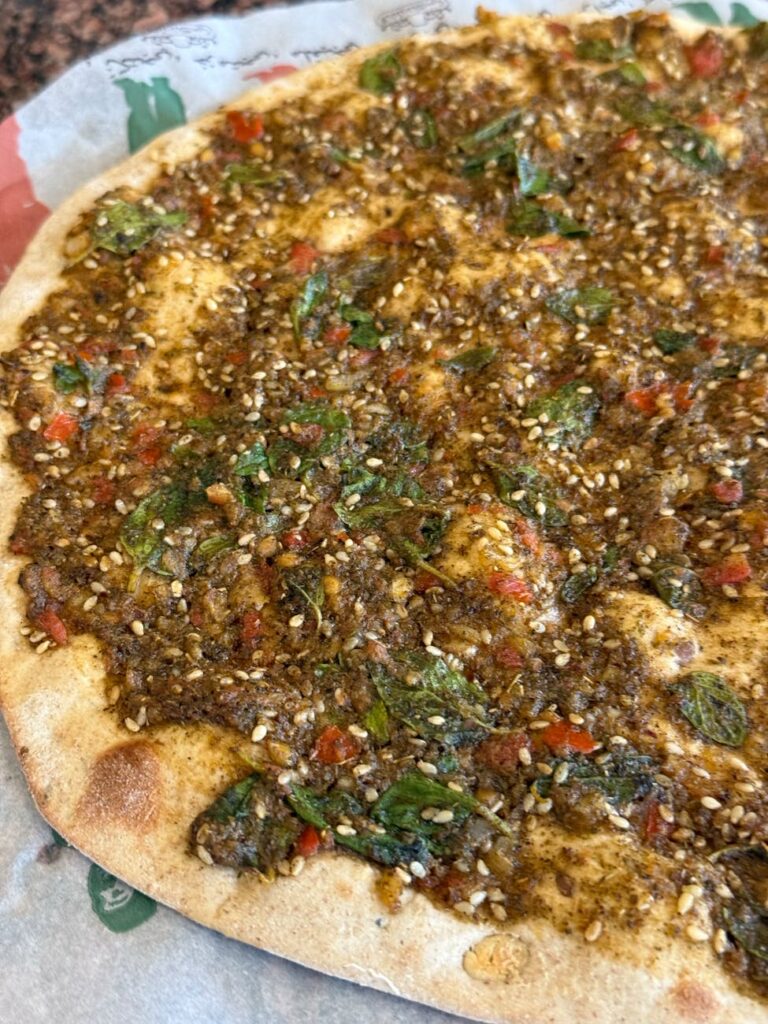
- Pizzas and Flatbreads: It can serve as a base for Middle Eastern-style pizzas topped with cheeses and meats.
- Accompaniments: Often served alongside meals, it can be used to scoop up stews and salads, enhancing the overall dining experience.
- Short-Term Storage: For immediate use, keep the bread in a breadbasket lined with a cloth to retain moisture.
- Long-Term Storage: For extended shelf life, wrap the bread in plastic wrap or aluminum foil and store it in the refrigerator or freezer. When frozen, Lebanese bread can last for several months.
- Reheating: To restore freshness, reheat the bread in an oven or toaster. This will revive its softness and enhance its flavor.
Dough Preparation
The production process begins with mixing the ingredients to form a dough. Once kneaded, the dough undergoes fermentation, which can last from a few hours to overnight, depending on the desired flavor and texture. This fermentation process develops the gluten structure, which is vital for the bread’s characteristic puffing during baking.
Baking Process
Lebanese bread is traditionally baked in a wood-fired oven, known as a “tannour.” The high temperatures—often exceeding 900°F (482°C)—allow the bread to cook quickly, causing it to puff and form a pocket. This cooking method not only creates a unique texture but also imparts a subtle smoky flavor to the bread.
Quality and Grading
Quality Lebanese bread is determined by several factors, including:
Grading is less formalized than in some other food products, but consumers can assess quality by checking for freshness, texture, and aroma.
Buying Considerations
When purchasing Lebanese bread, consider the following factors:
Uses and Applications
Lebanese bread is a versatile ingredient used in a variety of culinary applications:
Storage and Shelf Life
Proper storage is essential to maintaining the quality of Lebanese bread. Here are some guidelines:
Common Misconceptions
Several misconceptions surround Lebanese bread:
1. All Pita Is the Same: While many people refer to all flatbreads as pita, Lebanese bread has unique characteristics influenced by its production methods and regional flavors.
2. It Is Unhealthy: Lebanese bread made with high-quality ingredients can be part of a balanced diet. Whole wheat options provide fiber and nutrients.
3. It Is Only for Middle Eastern Cuisine: The versatility of Lebanese bread allows it to be incorporated into various global culinary traditions, making it an exciting ingredient beyond its cultural roots.
Frequently Asked Questions
1. Is Lebanese bread gluten-free?
Lebanese bread is traditionally made with wheat flour and is not gluten-free. However, there are gluten-free alternatives available in stores for those with dietary restrictions.