
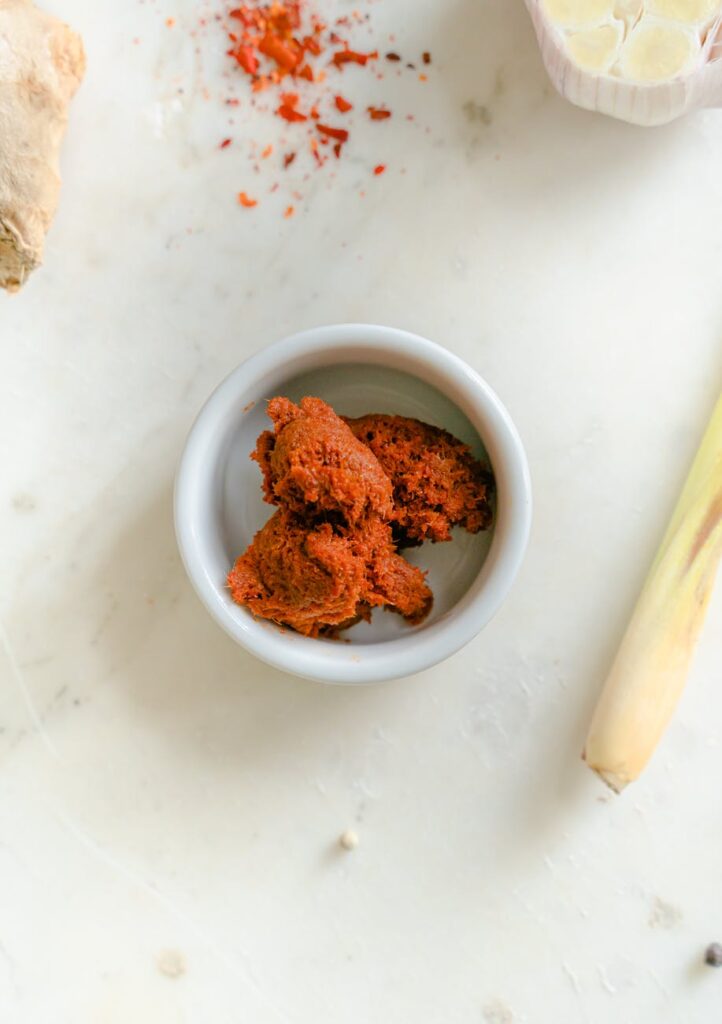
What Is Miso?
Introduction
Miso is a traditional Japanese fermented soybean paste that has gained global acclaim for its unique umami flavor, versatility, and nutritional profile. This ancient ingredient is not only a staple in Japanese cuisine but has also found its way into a variety of dishes across different culinary traditions. As the world becomes increasingly interested in fermented foods, understanding miso’s characteristics, production methods, and uses becomes essential for both culinary enthusiasts and professionals alike.
What Is Miso?
Miso is a thick paste made primarily from fermented soybeans, salt, and a mold called Aspergillus oryzae, which initiates the fermentation process. The result is a savory, salty condiment that can vary in color, flavor, and texture, depending on the ingredients and fermentation time. While soybeans are the most common base, miso can also be made from other grains and legumes such as rice, barley, and even chickpeas.
The flavor of miso is complex, characterized by its salty and savory notes, often described as umami, which is one of the five basic tastes. Depending on the fermentation duration and the specific ingredients used, miso can range from mild and sweet to rich and pungent.
History and Origins
The origins of miso can be traced back over a thousand years to ancient China, where similar fermented soybean products were created. Miso was introduced to Japan during the Nara period (710-794 AD) and quickly became integrated into the local culinary practices. By the Edo period (1603-1868), miso had evolved into an essential ingredient in Japanese cuisine, with regional variations developing across the country.
Historically, miso was considered a luxury item, often reserved for the samurai class and wealthy merchants. Over time, however, its production became more widespread, and it transitioned from a rare commodity to a staple in Japanese households. Today, miso is produced in various forms and is used in a multitude of dishes, from soups to marinades.
Production and Processing
The process of making miso involves several key steps, including the selection of ingredients, fermentation, and aging.
1. Ingredients: The primary ingredients in miso are soybeans, koji (a culture of Aspergillus oryzae), and salt. Depending on the type of miso being produced, grains such as rice or barley may also be included.
2. Soaking and Cooking: Soybeans are soaked in water for several hours and then boiled until soft. This step is crucial as it allows the beans to break down, facilitating fermentation.
3. Koji Cultivation: The cooked soybeans are mixed with koji, which is cultivated by inoculating steamed rice or barley with Aspergillus oryzae. This mold converts the starches in the grains into sugars, kickstarting the fermentation process.
4. Fermentation: The mixture of soybeans, koji, and salt is then placed in fermentation vessels, where it is allowed to ferment for a specified period. The duration of fermentation can range from a few weeks to several years, influencing the final flavor profile.
5. Aging: After fermentation, the miso is aged, allowing flavors to develop further. The aging process can also impact the color, with longer-aged miso typically becoming darker and more robust.
6. Packaging: Once the desired flavor and texture are achieved, the miso is packaged and ready for distribution.
The meticulous nature of miso production is a testament to the craft of Japanese artisans who have honed their skills over generations.
Quality and Grading
Miso quality is determined by several factors, including the ingredients used, fermentation time, and overall flavor profile. There are various types of miso, each with distinct characteristics:
1. White Miso (Shiro Miso): Made with a higher proportion of rice koji, white miso is sweet and mild, typically fermented for a shorter time.
2. Red Miso (Aka Miso): This type is made with a higher percentage of soybeans and is fermented longer, resulting in a richer, more robust flavor.
3. Mixed Miso (Awase Miso): A blend of white and red miso, offering a balanced flavor profile.
4. Barley Miso (Mugi Miso): Made with barley koji, this miso has a unique flavor that falls between white and red miso.
5. Other Varieties: There are numerous regional variants of miso throughout Japan, each with its own unique characteristics based on local ingredients and production methods.
When purchasing miso, consider looking for labels that indicate the quality of the fermentation process, as well as any certifications for organic or non-GMO ingredients.
Buying Considerations
When selecting miso, consider the following:
1. Type of Miso: Choose the type of miso based on the intended use. White miso is ideal for lighter dishes, while red miso works well for hearty soups and stews.
2. Ingredient Quality: Look for miso made from high-quality, organic ingredients. This not only enhances flavor but also ensures a cleaner product without additives.
3. Local vs. Imported: While authentic Japanese miso is widely available, consider supporting local producers who may craft unique regional varieties.
4. Packaging: Miso is often sold in both refrigerated and shelf-stable formats. Refrigerated miso tends to have a fresher flavor, while shelf-stable options can be convenient for long-term storage.
5. Flavor Profile: Taste different types of miso to find one that suits your palate. Many specialty stores offer small jars or samples for tasting.
6. Expiration Date: Check the expiration date or best-by date on the packaging to ensure product freshness