
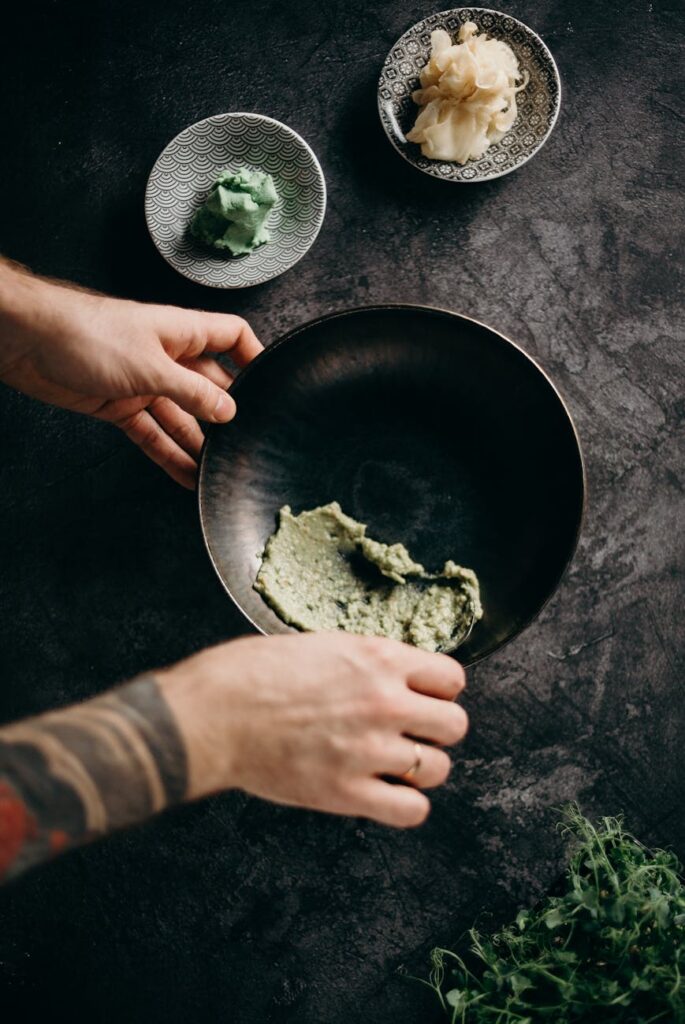
What Is Miso Marinated Radish?
Introduction
Miso marinated radish, a delightful fusion of flavors and textures, represents a culinary innovation that has garnered attention in various gastronomic circles. This ingredient marries the umami-rich profile of miso with the crisp, peppery notes of radish, creating a condiment or side dish that enhances a variety of cuisines. The combination not only highlights the versatility of radish but also showcases the rich tradition of fermentation found in Japanese cuisine. This article delves into the nuances of miso marinated radish, exploring its history, production, applications, and beyond.
What Is Miso Marinated Radish?
Miso marinated radish is a preparation that involves soaking radishes in a mixture of miso paste, which is made from fermented soybeans, salt, and sometimes rice or barley. The process of marinating allows the radish to absorb the flavors of the miso while softening its texture, resulting in a dish that is both savory and tangy. The nature of miso—its depth of flavor and nutritional benefits—coupled with the distinctive crunch of radish, makes this ingredient highly sought after in both traditional and contemporary cuisine.
History and Origins
The origins of miso can be traced back over a thousand years to ancient China, where it was first used as a preservative and flavor enhancer. As Buddhism spread to Japan, so did the practice of fermentation, leading to the production of miso in various regional styles. The use of radishes in Japanese cuisine also dates back centuries, often featured in pickles and salads.
The concept of marinating vegetables in miso likely evolved as culinary practices matured, with chefs experimenting to develop new flavors and ways to preserve seasonal produce. Miso marinated radish, therefore, is a reflection of Japan’s deep culinary heritage, marrying traditional methods with modern palates.
Production and Processing
The production of miso marinated radish typically involves several key steps.
1. Selection of Ingredients: The primary ingredients are fresh radishes and high-quality miso paste. The choice of radish—whether it be daikon, red radish, or other varieties—can influence the final flavor and texture of the dish.
2. Preparation of Miso Marinade: The miso paste, available in various types such as white, yellow, and red, is often mixed with other ingredients like mirin, sake, or sugar to balance the saltiness and enhance the flavor profile.
3. Marination Process: The radishes are usually sliced or left whole, depending on preference, and then submerged in the miso mixture. This marination period can vary, ranging from a few hours to several days, allowing the radish to absorb the flavors fully.
4. Final Touches: After marination, the radish can be strained of excess miso and served as is, or it can be incorporated into other dishes.
The artisan approach to production often yields the best results, emphasizing the importance of quality ingredients and careful attention to the marination process.
Quality and Grading
Quality is paramount in both the miso paste and the radish used for marination.
- Miso Quality: Authentic miso should be free from artificial additives and preservatives. The richness of flavor can be determined by the fermentation duration and the ingredients used.
- Radish Quality: Freshness is crucial; high-quality radishes should be firm and devoid of blemishes or soft spots. The flavor profile can vary significantly between types of radishes, so selecting the right variety is essential.
- Side Dish: Often enjoyed as a refreshing side dish that adds complexity to meals, balancing richer flavors with its acidity and crunch.
- Salad Ingredient: Incorporating miso marinated radish into salads can elevate the dish, providing layers of flavor and texture.
- Topping: It can be used as a topping for rice bowls, tacos, or sandwiches, adding a burst of flavor.
- Condiment: Miso marinated radish can serve as a condiment for grilled meats or seafood, enhancing the overall flavor profile of the dish.
- Fermented Food: As a fermented product, it contributes to the growing interest in gut health and probiotic-rich foods.
- Shelf Life: When properly stored, miso marinated radish can last for several weeks. The flavors may deepen over time, but it is advisable to
When evaluating commercial products, consumers should look for clear labeling regarding the ingredients, production methods, and possible allergens.
Buying Considerations
When purchasing miso marinated radish, whether from a store or a specialty market, there are several factors to consider:
1. Ingredients: Always check the ingredient list for authenticity and quality. Opt for products with minimal processing and no artificial additives.
2. Type of Miso: Different varieties of miso impart unique flavors; understanding the type used can help in determining the dish’s compatibility with your palate.
3. Freshness: If buying fresh miso marinated radish, inspect for signs of freshness, such as vibrant color and crisp texture.
4. Packaging: Look for packaging that ensures the product’s longevity, particularly if purchasing a pre-packaged version.
5. Local vs. Imported: Consider supporting local producers who may offer artisanal versions that highlight regional flavors and techniques.
Uses and Applications
Miso marinated radish can serve a variety of culinary purposes:
The versatility of miso marinated radish continues to inspire chefs and home cooks alike, finding its way into diverse culinary traditions.
Storage and Shelf Life
Proper storage is essential to maintain the quality of miso marinated radish. If prepared at home, it should be stored in an airtight container in the refrigerator.