
What Is Miso Noodles?
Introduction
Miso noodles have emerged as a culinary trend that marries traditional Japanese flavors with the versatility of noodles. These unique noodles, infused with miso—a fermented soybean paste—bring a rich umami taste and a distinctive texture to a variety of dishes. This article delves into the various aspects of miso noodles, from their history and production to their culinary applications and storage considerations.
What Is Miso Noodles?
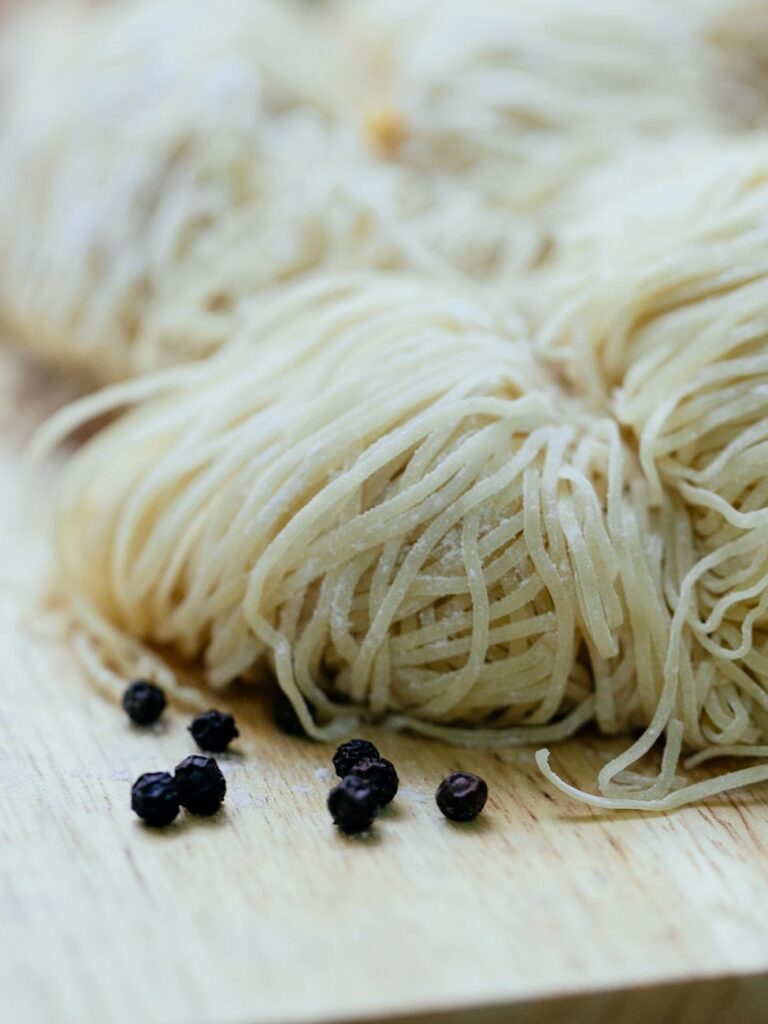
Miso noodles are a type of noodle that incorporates miso paste into their dough, resulting in a savory, flavorful product. The noodles can vary in thickness and texture, resembling traditional ramen, udon, or soba, but are distinguished by their inherent umami flavor derived from the miso. They are often used in soups, stir-fries, and salads, providing both nutritional value and a unique taste profile.
History and Origins
The origins of miso can be traced back to ancient China, where it was used as a fermented condiment. Its introduction to Japan around the 7th century marked the beginning of a cultural adaptation that would redefine the ingredient. Miso became integral to Japanese cuisine, evolving into various regional varieties. The practice of incorporating miso into noodles likely developed in the 20th century, as culinary experimentation flourished in Japan and beyond.
While traditional noodle dishes often relied on broth or sauces for flavor, the innovation of miso noodles allowed chefs to explore new dimensions of taste. This fusion of flavor and texture has contributed to their popularity in modern culinary settings, both in Japan and internationally.
Production and Processing
The production of miso noodles begins with the careful selection of ingredients. Traditionally, miso is made from soybeans, salt, and a fermenting agent known as koji, which is cultivated from rice, barley, or soybeans. The fermentation process can take anywhere from a few months to several years, depending on the type of miso being produced.
Once the miso is prepared, it is blended with flour and water to form the noodle dough. The type of flour used can vary; all-purpose flour, wheat flour, or even gluten-free alternatives may be employed, depending on dietary preferences. The dough is then kneaded, rolled out, and cut into the desired noodle shape.
After shaping, the noodles are either fresh or dried. Fresh miso noodles can be cooked immediately or packaged for later use, while dried noodles have a longer shelf life and can be rehydrated before consumption. The production process emphasizes quality and freshness, as these factors significantly impact the final product’s flavor and texture.
Quality and Grading
The quality of miso noodles is determined by several factors, including the type of miso used, the flour quality, and the production methods. Authentic miso noodles should have a balanced flavor, exhibiting the umami characteristics of the miso without overwhelming the palate.
Grading systems for miso typically consider the color, aroma, and taste of the miso itself, which indirectly affects the noodles made from it. Light-colored misos tend to be milder, while darker misos are richer and more robust. When purchasing miso noodles, consumers should look for indicators of quality, such as artisanal production methods and the use of high-quality ingredients.
Buying Considerations
When shopping for miso noodles, several factors should be taken into account:
1. Type of Miso: The flavor profile of the noodles will vary depending on whether they are made from white, yellow, or red miso. Each type offers a different level of saltiness and depth of flavor.
2. Freshness: Fresh noodles generally provide a superior texture and taste compared to dried varieties. Check the packaging for production dates to ensure you are purchasing a fresh product.
3. Ingredient Transparency: Look for products that list their ingredients clearly. High-quality miso noodles should have minimal additives and preservatives.
4. Dietary Needs: Consider any dietary restrictions you may have. Many brands offer gluten-free options or variations that cater to specific dietary preferences.
5. Reputation of the Brand: Research brands that specialize in Japanese cuisine or artisanal food products. Established brands often provide a more authentic experience.
Uses and Applications
Miso noodles are incredibly versatile and can be used in a variety of culinary applications. Here are some of the most common uses:
Soups and Broths
Miso noodles are often featured in soups, where their umami flavor enhances the overall dish. They can be served in a miso broth, complemented by vegetables, tofu, and seaweed.
Stir-Fries
In stir-fry dishes, miso noodles can serve as a flavorful base, absorbing the tastes of various sauces and vegetables. Their unique texture allows them to hold up well under high heat.
Cold Salads
Chilled noodle salads are another popular application. The noodles can be tossed with fresh vegetables, sesame oil, and a miso-based dressing, creating a refreshing dish that highlights the noodles’ flavor.
Fusion Cuisine
As culinary boundaries continue to blur, miso noodles have found their way into fusion dishes, appearing in everything from miso carbonara to miso noodle bowls that incorporate non-traditional ingredients.
Storage and Shelf Life
The storage and shelf life of miso noodles depend on whether they are fresh or dried.
Fresh Miso Noodles
Fresh miso noodles should be refrigerated and consumed within a few days for optimal flavor and texture. It is advisable to keep them in an airtight container to prevent drying out.
Dried Miso Noodles
Dried miso noodles have a longer shelf life, typically lasting several months to a year when stored in a cool, dry place. They should be kept in an airtight container to prevent moisture absorption, which can lead to spoilage.
Freezing
If you wish to extend the shelf life of fresh miso noodles, they can be frozen. Ensure they are well-wrapped to prevent freezer burn, and use them within a few months for the best quality.
Common Misconceptions
Despite their growing popularity, several misconceptions about miso noodles persist:
1. Miso Noodles Are Unhealthy: Some believe that the presence of miso makes the noodles unhealthy due to their sodium content. However, when consumed in moderation, miso noodles can be part of a balanced diet.
2. Miso Noodles Are Only for Soup: While they are often used in soups, miso noodles are versatile and can be incorporated into various dishes, including salads and stir-fries.
3. All Miso Noodles Taste the Same: The flavor of miso noodles can vary significantly based on the type of miso used, the production methods, and the additional ingredients incorporated into the noodles.
4. Making Miso Noodles at Home Is Difficult: While making noodles from scratch can be an intricate process, high-quality miso noodles are widely available in stores, making them accessible for home cooks.
5. Miso Noodles Are a New Trend: Though they have gained popularity in recent years, miso noodles have roots in traditional Japanese cuisine, where the combination of miso and noodles has been appreciated for generations.
Frequently Asked Questions
1. What are the main ingredients in miso noodles?
Miso noodles primarily consist of flour, water, and miso paste. The type of miso used can vary, influencing the flavor and color of the noodles.
2. Are miso noodles gluten-free?
Not all miso noodles are gluten-free, as they are typically made from wheat flour. However, some brands offer gluten-free alternatives using rice or other gluten-free flours.
3. How can I cook miso noodles?
Miso noodles can be boiled in water until tender, similar to traditional noodles. They can then be incorporated into soups, stir-fries, or salads.
4. Where can I buy miso noodles?
Miso noodles are available at Asian grocery stores, specialty food shops, and many supermarkets in the international aisle. They can also be purchased online.
5. Can I make miso noodles at home?
Yes, you can make miso noodles at home by incorporating miso paste into your noodle dough. However, the process requires some skill and understanding of noodle-making techniques.
6. Do miso noodles have any health benefits?
Miso noodles contain protein and probiotics from the miso, contributing to a balanced diet. However, they should be consumed in moderation, particularly due to their sodium content.
Conclusion
Miso noodles represent a delightful fusion of flavor and tradition, offering a unique culinary experience that has captured the interest of chefs and home cooks alike. Their rich history, versatile applications, and varying flavor profiles make them an exciting ingredient to explore. As food culture continues to evolve, miso noodles stand out as a testament to the creativity and adaptability of global cuisine.